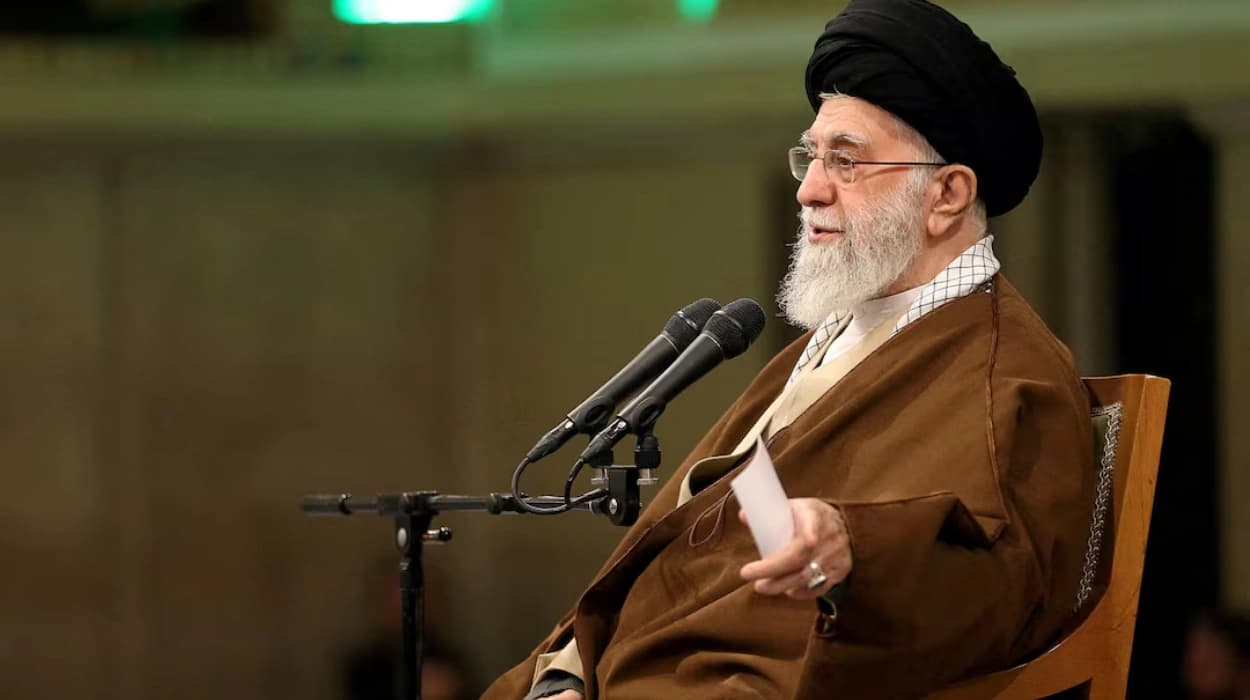
Tehran (The Palestine Telegraph Newspaper) February 02, 2026 – Iranian Foreign Minister Abbas Araghchi indicated readiness for direct talks with the United States during an interview on January 31, 2026. Simultaneously, IRGC Commander-in-Chief Major General Hossein Salami warned that no American would remain safe on Iranian soil if conflict erupts. The duelling statements reflect Tehran's dual-track approach amid heightened regional tensions.
Araghchi told state television that Iran remains open to negotiations addressing nuclear issues and sanctions relief, provided Washington demonstrates good faith. Salami addressed troops in Tehran, stating Iranian missile capabilities ensure retaliation capacity against any aggressor. The remarks followed US President Donald Trump's January 28 demand for complete Iranian nuclear dismantlement.
Foreign Minister Araghchi's Statements on US Dialogue
Araghchi specified Iran seeks mutual respect in potential discussions, rejecting preconditions. He referenced 2013-2015 nuclear talks framework leading to JCPOA implementation. Foreign Ministry spokesperson Nasser Kanaani confirmed Vienna channel availability through EU coordinator.
President Masoud Pezeshkian reiterated diplomatic preference during cabinet meeting, authorising Araghchi's engagement parameters. Supreme Leader Ayatollah Ali Khamenei's office issued guidance permitting talks absent ultimatums. Iranian UN Ambassador Amir Saeid Iravani notified Security Council of dialogue preparedness January 30.
Araghchi outlined three prerequisites: sanctions suspension, recognition of Iran's regional role, and mutual non-aggression commitments.
IRGC General Salami's Military Warning to America
Salami inspected Revolutionary Guards bases near Strait of Hormuz, unveiling Fateh-360 precision-guided missiles with 200km range. He declared Iran's hypersonic capabilities neutralise US carrier strike groups within 10 minutes. General stated 2,500 ballistic missiles target regional American installations.

IRGC Aerospace Force Commander Amir Ali Hajizadeh detailed Sejjil missile upgrades achieving 2,500km range covering continental United States. Salami warned Persian Gulf bases, Diego Garcia, and Guam installations fall within retaliation envelope. Troops displayed drone swarms integrated with missile salvos during exercises.
Salami affirmed asymmetric warfare doctrine renders conventional superiority irrelevant against determined defence.
Context of Renewed US-Iran Diplomatic Manoeuvres
Trump administration delivered nuclear proposal January 25 demanding zero uranium enrichment and IAEA inspections at military sites. Iran rejected zero-enrichment January 27, countering with civilian programme continuation under NPT safeguards. EU foreign policy chief Kaja Kallas facilitated indirect exchanges through Oman.
Qatar hosted preliminary contacts January 29 between Iranian and US intermediaries. Saudi Arabia conveyed Tehran's signals to Washington through bilateral security dialogue. Russian Foreign Minister Sergey Lavrov offered Moscow mediation during Tehran consultations.
IAEA Director General Rafael Grossi reported January 30 Iran maintains 5,000 centrifuges at Natanz despite diplomatic overtures.
Specifics of Iranian Military Capabilities Displayed
Fateh-110 family missiles achieved 90 per cent accuracy during January 28 tests striking 10m targets. Hajizadeh confirmed Fattah-1 hypersonic vehicle reaches Mach 15 evading missile defences. IRGC Navy showcased Ghadir-class submarines carrying Haj Qassem cruise missiles.
Exercises simulated closure of Hormuz Strait using sea mines and fast-attack boats. Army Aviation displayed Toophan anti-tank missiles upgraded for carrier deck penetration. Salami inspected cyber command centres coordinating electronic warfare packages.
US Administration Response to Iranian Signals
White House Press Secretary Karine Jean-Pierre acknowledged Tehran's overtures during February 1 briefing. State Department spokesperson Matthew Miller confirmed ongoing assessments of Iranian seriousness. Pentagon confirmed elevated force protection measures across Middle East bases.
US envoy Steve Witkoff met Qatari Prime Minister January 30 discussing Iranian parameters. National Security Advisor Jake Sullivan briefed congressional intelligence committees. Trump posted on Truth Social demanding verifiable dismantlement before engagement.
Regional Arab States' Positions on Mediation
Saudi Foreign Minister Faisal bin Farhan hosted Iranian counterpart January 28 pledging non-interference in negotiations. UAE confirmed neutral facilitation role through Abu Dhabi channels. Oman Foreign Minister Badr Albusaidi travelled Tehran February 1 carrying US messages.
Jordan affirmed support for diplomatic resolution absent military escalation. Bahrain hosted US Fifth Fleet maintained operational tempo amid Iranian warnings.
IAEA Nuclear Verification Reports and Timelines
Grossi certified January 28 Iran possesses 4,200kg low-enriched uranium sufficient for 10 bombs if further processed. Fordow facility expanded to 2,000 centrifuges despite 2015 JCPOA limits. IAEA inspectors maintain daily presence at Natanz cascades verifying 5 per cent enrichment cap.

Verification reports confirm no weapons-grade material diversion since 2023 safeguards implementation. Araghchi committed IAEA access continuation during potential talks.
Previous Rounds of US-Iran Nuclear Negotiations
2013-2015 Vienna talks produced JCPOA limiting centrifuges to 5,060 and 3.67 per cent enrichment ceiling. 2018 US withdrawal restored pre-deal enrichment to 20 per cent by 2021. 2022 Oman talks collapsed over sequencing disagreements.
Biden administration indirect exchanges yielded 2023 prisoner swap and limited sanctions waivers. Trump maximum pressure campaign 2017-2021 reduced Iranian oil exports 90 per cent.
Statements from Key Iranian Political Figures
President Pezeshkian addressed nation January 29 affirming defence readiness complements diplomatic outreach. Parliament Speaker Mohammad Bagher Ghalibaf convened national security commission reviewing negotiation mandates. Judiciary Chief Gholam-Hossein Mohseni-Eje'i authorised legal frameworks for potential agreements.
Khamenei deputy Ali Bagheri Kani conducted Oman coordination meetings. Atomic Energy Organisation Head Mohammad Eslami detailed civilian reactor fuel requirements justifying limited enrichment.
American Congressional Reactions and Positions
Senate Foreign Relations Committee Chairman Jim Risch welcomed diplomatic signals while demanding verifiable compliance. House Foreign Affairs Committee Ranking Member Gregory Meeks urged engagement avoiding military confrontation. Republican Study Committee rejected negotiations absent dismantlement.
Progressive Caucus advocated JCPOA revival framework. AIPAC praised Salami warnings justifying sustained pressure campaign.
Military Balance Assessments from Regional Observers
Israeli Military Intelligence reported Iranian missile stockpile exceeds 3,000 units post-2024 production surge. CENTCOM confirmed Patriot deployments to Gulf bases countering ballistic threats. Russian S-400 deliveries to Tehran completed January 2026 enhancing air defence envelope.
Quds Force maintains 15,000 personnel in Syria, Iraq bases within striking distance of Israel. Houthi missile cooperation confirmed through joint targeting cells.
Economic Pressures Influencing Iranian Calculations
Iranian rial depreciated 28 per cent against dollar since October 2025 amid sanctions renewal. Oil exports averaged 1.2 million bpd through China networks despite US naval patrols. Inflation reached 42 per cent with unemployment affecting 14 per cent workforce.

China confirmed $18 billion annual oil purchases maintaining critical revenue stream. EU imports declined 67 per cent post-sanctions reimposition.
Coordination Mechanisms for Potential Talks
Oman proposed Muscat as neutral venue hosting preparatory meetings. Vienna designated as substantive negotiation site with IAEA observers. Geneva available as alternative European location per Swiss offer.
Qatari mediation team includes former US ambassador coordinating messages. UN Secretary General Antonio Guterres offered New York facilities for high-level encounters.
Media Coverage Patterns in Iranian State Press
IRIB broadcast Araghchi interview reaching 85 per cent national audience. Kayhan published editorial balancing negotiation readiness with deterrence posture. Tehran Times English edition distributed statements to Western correspondents.
Press TV aired Salami speech with English subtitles targeting American policymakers.
International Reactions from Key Stakeholders
IAEA Board Governors scheduled February 5 Tehran compliance review. UK Foreign Secretary David Lammy urged direct engagement resolving verification disputes. French President Emmanuel Macron offered Paris as dialogue venue.
Russia pledged technical support for civilian nuclear programme during Moscow talks.