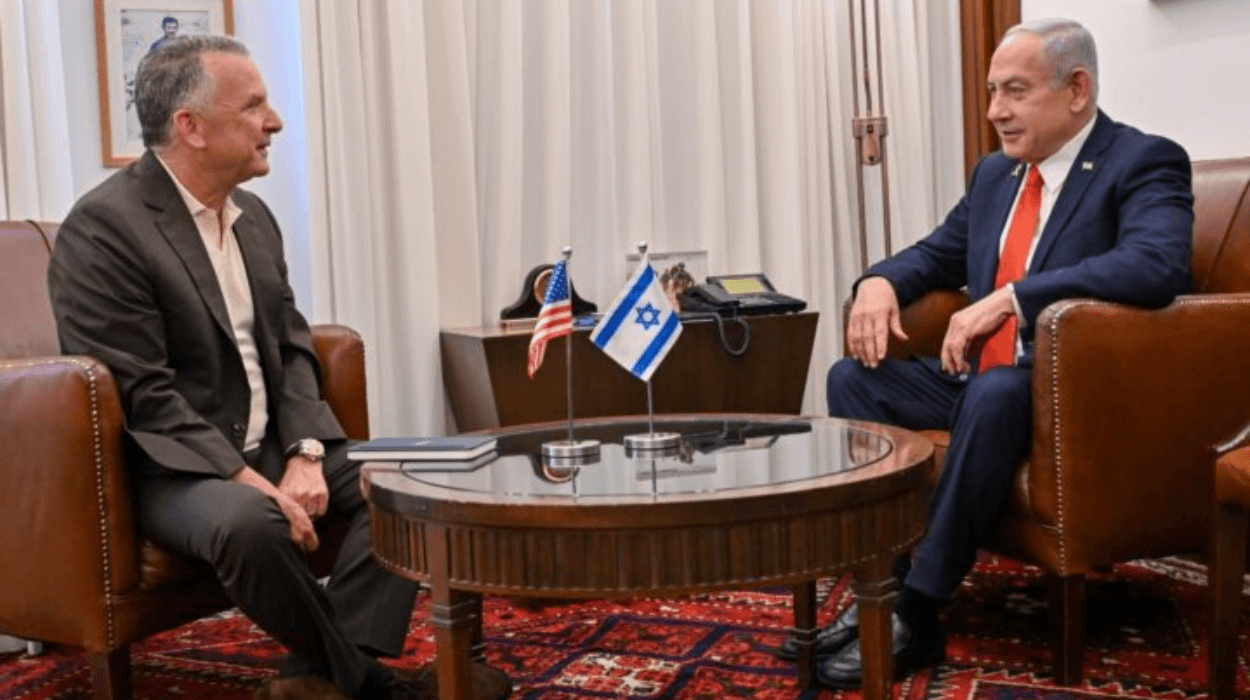
Israel (The Palestine Telegraph Newspaper) February 4, 2026 - Israeli officials have conveyed deep scepticism towards planned nuclear talks between the United States and Iran, now set for Oman after a venue change from Istanbul. White House envoy Steve Witkoff met Prime Minister Benjamin Netanyahu in Jerusalem, where warnings were issued about Iran's reliability in agreements. The discussions occur amid US military build-up in the Gulf and Iran's insistence on limiting talks to its nuclear programme, with regional mediators like Qatar and Türkiye facilitating efforts.
Israeli sources emphasised profound doubts about the negotiations' potential success, citing Iran's history of non-compliance. Preparations follow weeks of heightened tensions, including US threats and Iranian warnings against military action. President Donald Trump has stated Iran is "seriously talking" to the US, while Tehran evaluates diplomatic proposals from neighbours.
Developments in Iran-US Nuclear Negotiations
Reports confirm US special envoy Steve Witkoff is scheduled to meet Iranian Foreign Minister Abbas Araghchi in Oman, marking the first direct engagement since the collapse of prior talks and a 12-day war in June 2025. Iran requested the shift from Istanbul to a bilateral format focused solely on its nuclear programme, abandoning plans for broader regional involvement.

The Trump administration demands address not only uranium enrichment but also Iran's missile programme and support for regional proxies, conditions Tehran has historically rejected as infringing on its sovereignty. Iranian President Masoud Pezeshkian ordered diplomats to pursue "just and equitable negotiations," with state media reporting revival of nuclear discussions.
Foreign Ministry spokesperson Esmaeil Baghaei stated Tehran is reviewing diplomatic processes, hoping for results soon through regional mediation. Araghchi held calls with counterparts from Saudi Arabia, Egypt, and Türkiye to discuss developments.
Israel's Position During Witkoff's Jerusalem Visit
Ahead of the Oman talks, Witkoff visited Israel to confer with Netanyahu and IDF Chief of Staff Gen. Eyal Zamir, who briefed on capabilities for potential conflict with Iran. Israeli officials used the meeting to underscore scepticism.
Josh Kraushaar reported on reactions from the Jerusalem meeting. Josh Kraushaar said in X post,
“NEW @J_Insider via @LahavHarkov : "Israel eyeing upcoming Iran-U.S. talks with deep skepticism" "Iran proved time after time that its promises cannot be trusted," Netanyahu told Witkoff in Jerusalem meeting”
Following the discussions, Israeli officials reiterated warnings to their American counterparts. NSTRIKE reported the post-meeting stance. NSTRIKE said in X post,
“After the meeting in Israel between Steve Witkoff and Israeli officials, Israeli officials stated: “We warned the Americans that Iran will violate any agreement and that reaching such a deal makes no sense. One of the reasons they are likely trying to delay is to move offensive weapons to concealed locations.””
Jerusalem views any deal without firm red lines on missiles and proxies as legitimising Tehran's regional activities. Netanyahu's office has maintained vigilance, aligning with Israel's longstanding policy treating Iran as an existential threat.
Regional Mediation and Preparatory Diplomacy
Qatar's foreign ministry noted intensifying efforts with neighbours, following Foreign Minister Sheikh Mohammed bin Abdulrahman Al Thani's recent Tehran visit. Türkiye and Egypt's foreign ministers also engaged Araghchi to push for talks.
The planned Oman meeting follows backchannel progress, with Trump noting communications over the weekend. Iran confirmed indirect exchanges via regional countries, addressing various points under review. Araghchi expressed confidence in reaching a deal through "fruitful" regional brokerage.
Context of Recent Tensions and Military Postures
Negotiations come amid US naval deployments, including aircraft carriers and jets in the Indian Ocean, positioned for potential strikes. Trump shifted from threats supporting Iranian protesters—amid reports of 6,500 deaths in January crackdowns—to urging a nuclear deal.

Iran's Supreme Leader Ali Khamenei warned any attack would spark regional war. Tehran prepared for strikes while seeking sanctions relief to stabilise its economy strained by protests and currency devaluation. In June 2025, talks in Oman faltered after Israeli strikes and US bombings of Iranian nuclear sites.
Prior US demands included dismantling Iran's nuclear programme, halting enrichment, and ending proxy support, with a two-month compliance deadline or face strikes. Iran proposed flexibility on enrichment, like handing over 400kg of highly enriched uranium under consortium, but sought US military withdrawal first.
Historical Background of Stalled Talks
Negotiations trace to early 2025, with US envoy Witkoff welcoming Iranian proposals in Muscat unexpectedly. IAEA chief Rafael Grossi visited Iran in April 2025, describing talks as "crucial" and aiding facilitation.
Iranian advisor Ali Shamkhani threatened expelling IAEA inspectors if aggression persisted. The process collapsed amid escalating actions, resuming now under regional pressure to avert conflict.
Statements from Key Figures
Trump argued a swift deal prevents military confrontation, intensifying pressure. Pezeshkian tasked Foreign Minister Araghchi explicitly. Baghaei emphasised time sensitivity for sanctions relief.
No official confirmations from Tehran or Washington on Oman details, but sources describe Friday as a "best case scenario". Witkoff's itinerary includes Abu Dhabi trilateral talks on Russia-Ukraine before Türkiye.