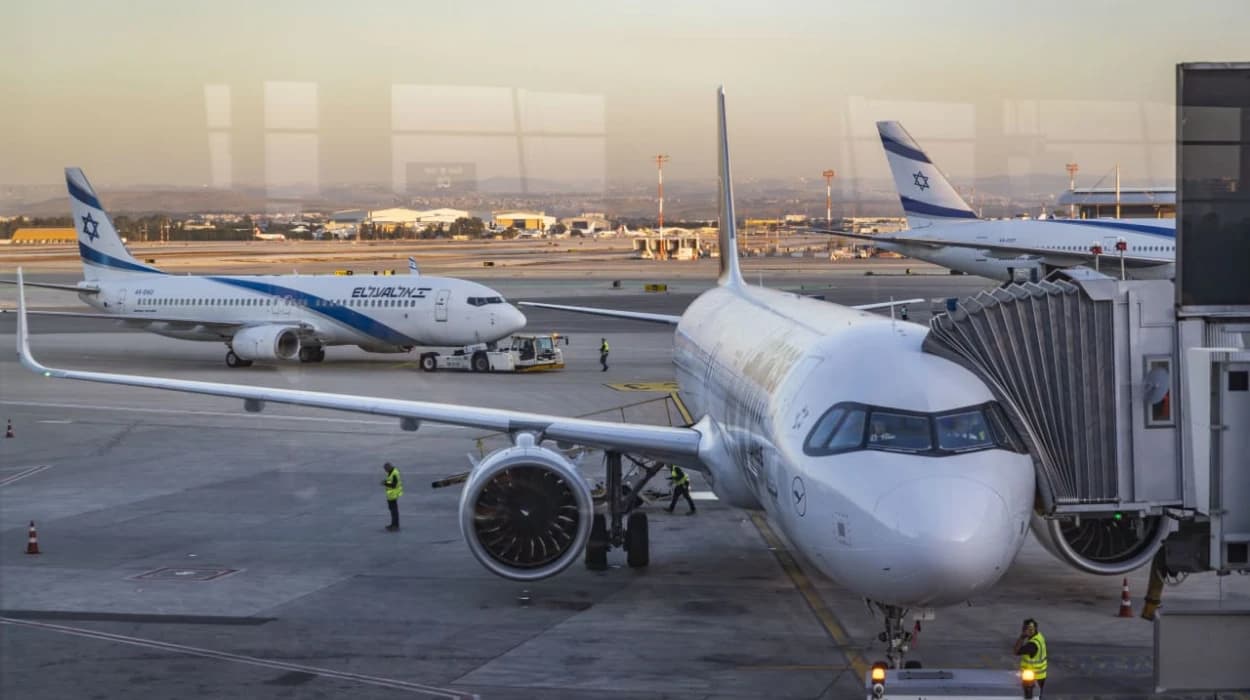
Jerusalem (The Palestine Telegraph Newspaper) January 27, 2026 – Israel's Tourism Ministry has prepared contingency plans to evacuate tourists in the event of an Iranian attack. Ministry head Amichai Eliyahu confirmed readiness for mass departures via air, sea, and land routes. The measures respond to heightened regional tensions involving US carrier deployments and Iranian rhetoric.
The announcement came during a briefing on January 26, 2026, as the USS Abraham Lincoln carrier strike group entered the Middle East region. Eliyahu stated commercial airlines, cruise lines, and charter flights stand ready to transport visitors out within hours of activation. Coordination involves El Al, Arkia, and international carriers with existing flight schedules.
Tourism Ministry Evacuation Protocols Established
Israel's Tourism Ministry developed the evacuation framework following security assessments linking Iranian threats to tourist safety. Protocols prioritise Ben Gurion Airport operations, with contingency hubs at Ramon Airport and Haifa Port. Over 1.2 million tourists visited Israel in 2025 despite regional conflicts.
Eliyahu detailed tiered response levels corresponding to threat indicators. Level 1 activates travel advisories and voluntary departures. Level 2 triggers subsidised repatriation flights. Level 3 implements mandatory evacuations with government-chartered aircraft. Maritime options include ferries to Cyprus serving as transit points.
Coordination with Airlines and Travel Operators

El Al Israel Airlines confirmed capacity for 50,000 passengers daily under emergency protocols. Arkia and Israir allocated 20 per cent of fleets for evacuation duties. International partners including Lufthansa, easyJet, and Ryanair agreed to priority landing slots. Travel insurance providers notified of coverage extensions.
Hotels received instructions for orderly guest assembly and transport to departure points. Major chains like Dan, Isrotel, and Leonardo maintain emergency kits and multilingual briefings. Tourist police units expanded to 500 officers for crowd management at key sites.
Background of Regional Security Threats
Plans respond to US deployment of USS Abraham Lincoln carrier strike group on January 25, 2026, amid US-Iran rhetoric escalation. President Trump warned Iran against provocations while Tehran vowed retaliation. Iranian protests reporting over 6,000 deaths provide regional context.
Israeli security establishment elevated alert status across all fronts. Intelligence assessments cite Iranian missile capabilities reaching major tourist areas. Previous Houthi attacks on Eilat underscore southern vulnerabilities.
Tourist Demographics and Evacuation Priorities
Current visitor composition includes 35 per cent Americans, 20 per cent Europeans, 15 per cent from India and China. Ministry prioritises families, elderly, and disabled in initial waves. Digital registration systems track nationalities and locations via hotel check-ins.
Mobile apps provide real-time updates in 12 languages. Embassy hotlines operate 24/7 with dedicated lines per country. US State Department coordinates with 80,000 American travellers registered through STEP programme.
Infrastructure Readiness at Key Airports

Ben Gurion Airport maintains full operational capacity with reinforced shelters accommodating 20,000 during alerts. Secondary runways enable simultaneous military and civilian flights. Ramon Airport south expansion supports 10,000 daily evacuees.
Haifa and Ashdod ports equipped roll-on/roll-off ferries for rapid vehicle and passenger loading. Cyprus Larnaca Airport serves primary transit hub with pre-positioned Israeli liaison teams. Greek islands provide secondary Mediterranean options.
Government Statements on Tourist Safety Measures
Tourism Minister Amichai Eliyahu emphasised "Israel remains open and safe" while preparing contingencies. Prime Minister Benjamin Netanyahu received daily security briefings including tourism impacts. Foreign Minister Gideon Sa'ar activated consular rapid response teams globally.
National Security Council approved NIS 200 million emergency tourism fund. Knesset approved expedited legislation covering evacuation liabilities. Bank of Israel assured currency exchange facilities at departure points.
Impact on Current Travel Bookings and Cancellations
Global booking platforms report 12 per cent drop in January-February reservations post-carrier deployment news. European operators issued flexible cancellation policies. US tour groups maintained schedules pending State Department guidance.
Israel Hotel Association reported 92 per cent occupancy in Tel Aviv, 85 per cent in Jerusalem. Eilat resorts sustained 95 per cent bookings due to Red Sea positioning. Inbound charter flights continued from 40 cities worldwide.
Historical Precedents for Tourist Evacuations
Israel evacuated 25,000 tourists during 2023 Hamas conflict via expanded Ben Gurion operations. 2006 Lebanon War saw 15,000 sea departures to Cyprus. COVID-19 repatriations peaked at 80,000 in one month.
Operation Moses in 1984 airlifted 14,000 Ethiopian Jews using similar rapid protocols. IDF Home Front Command maintains civilian mass movement expertise from annual drills.
International Embassy Coordination Efforts
US Embassy Jerusalem activated Crisis Management Team with 24-hour operations centre. UK Foreign Office updated travel advice citing regional tensions. German and French consulates issued voluntary departure recommendations for non-essential staff families.
Indian Ministry of External Affairs assured airlift capacity for 18,000 nationals. Chinese embassy registered 12,000 visitors through WeChat platform. Australian Smart Traveller programme issued "high degree of caution" advisory.
Economic Dimensions of Tourism Preparedness
Tourism generated $8.5 billion in 2025, employing 250,000 directly. Ministry projections estimate 10 per cent GDP contribution under normal conditions. Emergency fund covers hotel refunds and flight subsidies.
Export Institute data shows $2.1 billion inbound spending through November 2025. Central Bureau of Statistics tracks monthly visitor arrivals. Finance Ministry allocated supplementary budget for security enhancements.
Operational Details of Evacuation Logistics
Home Front Command designated 150 assembly points nationwide with water, medical, and communication provisions. IDF allocated 200 buses for ground transport to departure nodes. Magen David Adom positioned 300 ambulances strategically.
Communications Ministry ensured satellite phones and radio backups. Electric Authority guaranteed 72-hour power at critical facilities. Ministry of Health stockpiled medications for chronic conditions.
Media and Public Information Campaigns
Tourism Ministry launched multilingual websites detailing procedures. Social media campaigns reached 5 million impressions daily. CNN, BBC, and Al Jazeera aired ministry briefings. Condé Nast Traveler published protocol guides.
Travel advisories updated hourly via interactive maps. influencers received official briefings for audience dissemination. Knesset Channel broadcasted continuous coverage.
Travel Insurance Industry Responses
Allianz, AXA, and Generali confirmed coverage extensions for security evacuations. Chubb activated global assistance networks. Israeli insurers Clal and Harel issued emergency policy riders.
American Express Global Assist coordinated with 2 million cardholders. Tour operators Intrepid and G Adventures offered full refunds. Cruise lines MSC and Costa maintained Eastern Mediterranean itineraries.
Airport Security and Passenger Screening Enhancements
Israel Airports Authority implemented biometric fast-track for evacuees. Shin Bet approved expedited security protocols maintaining standards. Passenger manifests transmitted real-time to destination authorities.
Cyber Command protected booking systems from interference. Drone surveillance monitored approach corridors. El Al flight crews received threat awareness refreshers.