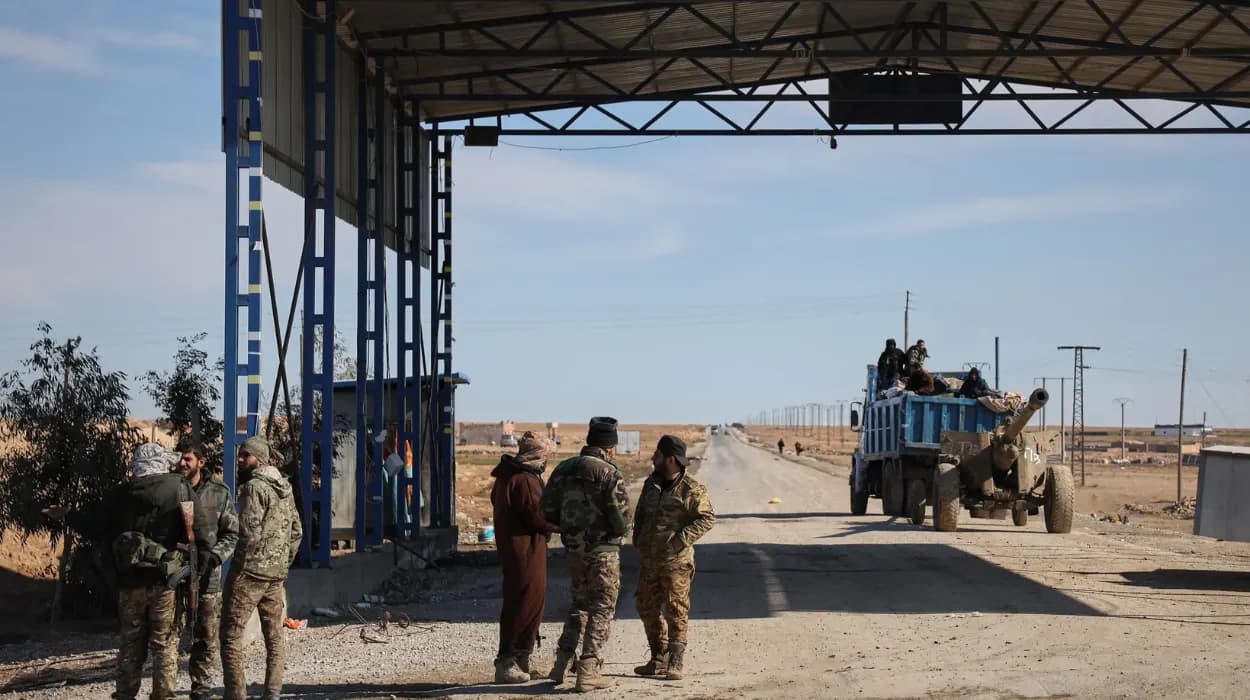
Damascus (The Palestine Telegraph Newspaper) 24 January 2026 – Syrian government forces and Kurdish-led Syrian Democratic Forces (SDF) have agreed to extend their ceasefire by one month. The extension allows for the transfer of suspected Islamic State members detained in Syria to Iraq. The deal comes amid heightened tensions and threats of renewed conflict in northeast Syria.
The agreement follows negotiations between Damascus and the SDF, which controls key oil-rich areas in Syria's northeast. Sources confirmed the truce extension aims to facilitate the handover of hundreds of ISIS suspects held in SDF-run camps and prisons. This development occurs against a backdrop of fragile stability following the fall of Bashar al-Assad's regime in late 2024.
Details of the Ceasefire Extension Agreement

Credit: aa.com.tr
The one-month extension builds on a previous truce established in December 2025 between Syrian government-aligned forces and the SDF. The primary objective is the organised transfer of suspected ISIS fighters and their families from SDF facilities to Iraqi custody. Reports indicate approximately 10,000 foreign ISIS fighters and tens of thousands of family members remain detained in al-Hol and Roj camps in Syria.
Syrian state media announced the deal, stating it prevents escalation while addressing security concerns. The SDF confirmed the extension, noting ongoing talks with Damascus on power-sharing and territorial control. Iraq has agreed to receive the transfers, with Baghdad committing to trials under its anti-terrorism laws.
The ceasefire covers Deir ez-Zor, Hasakah, and Raqqa provinces, where clashes had intensified prior to the truce. Turkish-backed Syrian National Army (SNA) forces, positioned near SDF areas, have maintained a watchful distance during negotiations.
Background on ISIS Detentions and Transfer Logistics
The SDF has detained over 12,000 suspected ISIS members since defeating the group's caliphate in 2019. These include foreign nationals from Europe, Asia, and the Middle East, alongside Syrian and Iraqi fighters. Camps like al-Hol house 50,000 people, predominantly women and children, under strained SDF resources.
Previous repatriation efforts repatriated thousands, but many countries hesitate due to legal and security issues. The current deal prioritises Iraqi nationals and regional fighters for immediate transfer. Iraqi officials stated 4,000 suspects would move in phases via secure convoys across the border.
Logistics involve joint Syrian-Iraqi security teams escorting detainees from SDF prisons in Hasekeh and Deir ez-Zor. The UN has monitored the process to ensure humane treatment, reporting no major incidents in initial handovers.
Escalating Tensions Prior to Extension

Credit: english.enabbaladi.net
Clashes erupted in late December 2025 when Syrian government forces advanced towards SDF-held oil fields in Deir ez-Zor. SNA artillery shelled SDF positions near Manbij, prompting Kurdish counterattacks. At least 150 fighters died in skirmishes before mediation efforts.
Turkey views the SDF as an extension of the PKK, a designated terrorist group, and supports SNA operations. Damascus seeks to reassert control over northeast Syria post-Assad, complicating truces. The ceasefire extension averts a multi-front war involving Turkey, Syria, Kurds, and remaining ISIS cells.
US forces, numbering 900 in Syria, provide limited SDF support but prioritise ISIS defeat. Washington welcomed the deal, stating it reduces risks to counter-terrorism operations.
Strategic Importance of Northeast Syria
The region produces 80% of Syria's oil output, funding SDF governance. Damascus claims these resources for national reconstruction. The SDF administers 25% of Syrian territory, home to 5 million people, including Arabs, Kurds, and minorities.
Post-Assad transition government in Damascus, backed by Russia and Iran, pushes integration. Kurdish demands include autonomy and amnesty for YPG fighters. Iraq's role strengthens its border security against ISIS resurgence.
Turkish President Recep Tayyip Erdogan warned of operations against SDF if threats persist. SNA captured Tal Rifaat in January 2026, displacing 100,000 civilians before the truce.
Humanitarian Impact and Camp Conditions
Al-Hol camp reports 20 deaths weekly from illness and violence. SDF struggles with funding cuts after US aid reductions. The extension allows aid access improvements, with UN convoys delivering food and medicine.
Over 90% of detainees are women and children, many stateless. Repatriations to 30 countries total 8,000 since 2020. European states repatriated 1,800 minors amid pressure.
ISIS sleeper cells exploit camp vulnerabilities, conducting assassinations. SDF security forces lost 300 guards to attacks in 2025.
International Reactions and Mediation Efforts
Russia mediated initial truces, leveraging ties with Damascus. The US coordinated with SDF on detainee lists. Iraq's Prime Minister Mohammed Shia al-Sudani hailed the deal as counter-ISIS progress.
UN envoy Geir Pedersen called for inclusive talks resolving Kurdish rights. Turkey's foreign ministry endorsed the extension conditionally on PKK disarmament.
Amnesty International urged monitoring transfers to prevent abuses. Human Rights Watch documented SDF arbitrary detentions but praised handover cooperation.
Historical Context of Syrian Conflict Dynamics
Syria's civil war began in 2011, drawing global powers. Kurds gained territory against ISIS with US backing from 2015. Assad reconquered most areas by 2020, leaving northeast contested.
Assad's ouster in December 2024 followed rebel offensives. Hay'at Tahrir al-Sham (HTS) leads interim government, pledging decentralisation. SDF joined national dialogue in January 2026.
ISIS peaked in 2014, declaring caliphate over 100,000 sq km. Coalition airstrikes and ground campaigns reduced it to insurgency.
Phase Two Prospects and Challenges Ahead
Post-extension, talks address SDF integration into Syrian army. Oil revenue sharing proposals allocate 40% to northeast development. Disarmament committees verify ISIS transfers.
Potential SNA advances loom if truces fail. US troop drawdown plans hinge on stability. Iraq builds new detention centres for 10,000 arrivals.
Damascus offers Kurds parliamentary seats in constitutional talks. SDF insists on federalism protections.
Ongoing Security Threats from ISIS Remnants
ISIS claims 50 attacks monthly in Syria and Iraq. Suicide bombings targeted SDF checkpoints in Hasakah last week, killing 12. Transfers aim to dismantle support networks.
Iraqi Counter-Terrorism Service prepares high-security trials. Death sentences issued in 300 cases since 2017.
SDF intelligence shares 5,000 ISIS files with Baghdad. Joint operations resume post-handover.