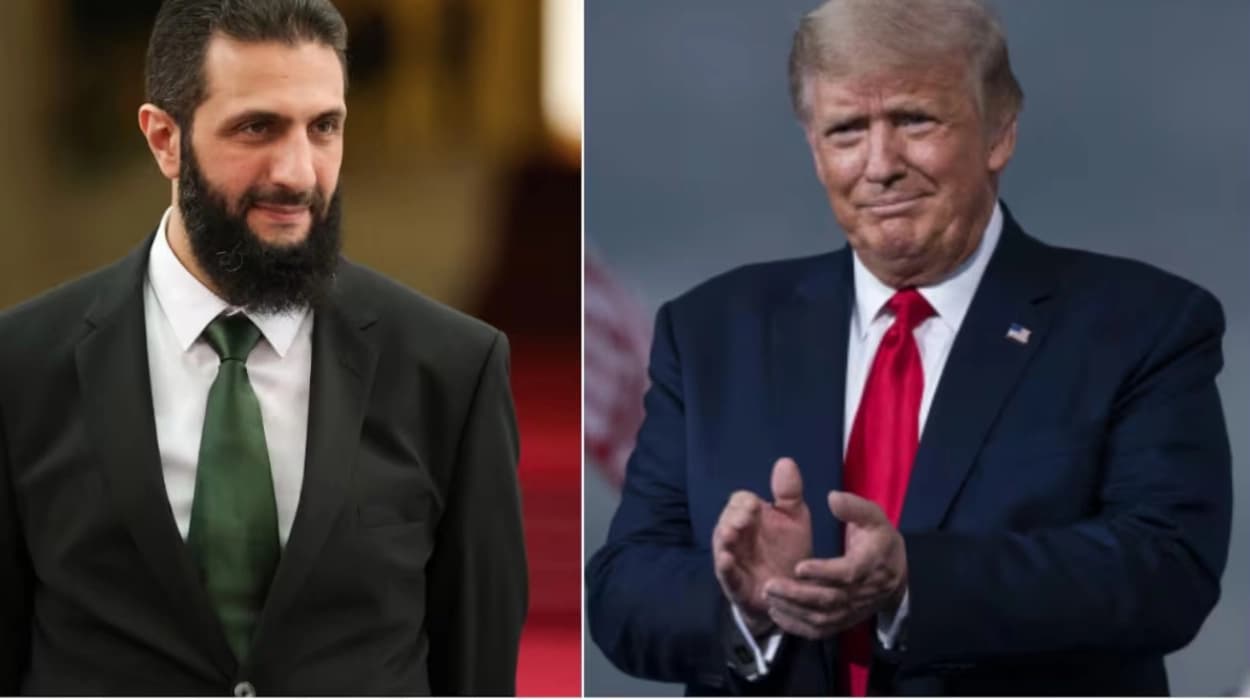
Syrian President Ahmed al-Sharaa visited the White House on Monday, November 10, 2025, marking the first Syrian head of state visit since the country's independence in 1946 and symbolising Syria's entry into a US-led coalition against ISIS. This visit follows al-Sharaa's remarkable rise from a US-designated terrorist leader to Syria’s interim president after ousting Bashar al-Assad and signals significant diplomatic shifts.
Historic White House Meeting Marks Diplomatic Milestone
As reported by Chidanand Rajghatta of The Washington Post, Syrian President Ahmed al-Sharaa met with US President Donald Trump at the White House on November 10, 2025. This historic meeting is the first time a Syrian leader has been welcomed to the White House since Syria gained independence from French rule in 1946. The visit underscores a major diplomatic shift as Syria, once isolated, is now entering a US-led global coalition to combat the Islamic State group.
White House Press Secretary Karoline Leavitt stated that the meeting was
“part of the president’s efforts in diplomacy to meet with anyone around the world in the pursuit of peace.”
This approach reflects the administration's desire for engagement irrespective of past conflicts or controversies.
From Rebel Leader to Interim President
According to Maggie Haberman and Thomas Gibbons-Neff of The New York Times, Ahmed al-Sharaa’s path to power is unprecedented. Al-Sharaa, once affiliated with al-Qaeda and bearing a $10 million US bounty, emerged as a rebel leader who led the surprise offensive that culminated in the ouster of Syria’s longtime ruler Bashar al-Assad in December 2024. Appointed interim president in January 2025 by militia leaders, his rise defies conventional diplomacy and signifies a new chapter in Syrian governance.
CNN’s account by Jim Sciutto highlighted how al-Sharaa’s transformation from a jihadist figure to a global statesman culminates in this White House visit, demonstrating the profound geopolitical shifts in Syria and the broader region. Less than a year ago, al-Sharaa was a key figure in the conflict; now, he engages as a legitimate head of state on the international stage.
The Context of the US-Syria Rapprochement
As Reuters reported, the White House meeting caps a remarkable year for al-Sharaa, reflecting Syria’s altered geopolitical alignments. Since seizing power, Syria has distanced itself from traditional allies Iran and Russia and pursued closer ties with Turkey, Gulf states, and the United States. This visit is also connected to broader US efforts to facilitate negotiations between Syria and Israel regarding potential security arrangements and to establish a strategic US military presence, including at an airbase in Damascus.
Trump’s prior meeting with al-Sharaa in Saudi Arabia in May 2025 was described by the US President as an encounter with a
“young, attractive guy. Tough guy. Strong past, very strong past. Fighter.”
At that time, the visit was notable as the first US-Syria high-level interaction since 2000, when then-President Bill Clinton met Hafez Assad, father of Bashar Assad. The US decision to lift sanctions on Syria shortly before this visit further signaled Washington’s readiness to support Syria’s reintegration into the international community.
Reactions and Official Statements
As reported by CBS News's Paula Reid, Tom Barrack, the US envoy to Syria and ambassador to Turkey, confirmed the historic visit, indicating it would be the third meeting between Trump and al-Sharaa. White House sources emphasised the diplomatic nature of the engagement and withheld specific details about the agenda, underscoring the sensitivity and significance of the talks.
Al-Sharaa’s nomination as interim president came after his militia took control of Aleppo in a lightning offensive last year—ending 54 years of Assad family rule. Trump's recent remarks describe al-Sharaa’s leadership positively, noting “a lot of progress has been made with Syria” since the easing of sanctions.
The Road Ahead: Security and Cooperation
According to AP News correspondent Matt Lee, security issues are anticipated to be a major part of the discussions between Trump and al-Sharaa. The US is reportedly supporting negotiations between Syria and Israel, enhancing regional stability efforts. The establishment of a US military presence in Syria also represents a pivotal development in American foreign policy in the Middle East.
The White House under Trump appears to be adopting a broader diplomatic outreach, engaging once-pariah states in efforts to combat mutual threats like ISIS. Al-Sharaa’s visit is emblematic of this approach, demonstrating a clear break from the previous isolationist stances towards Syria.
This historic visit signals a major recalibration in Middle Eastern geopolitics, opening a new chapter for Syria’s international relations after years of conflict and isolation.