Geneva (The Palestine Telegraph Megazines) 22 January 2026 – The United Nations described the situation in Syria as "very tense" due to ongoing clashes between government forces and opposition groups. A deepening humanitarian crisis affects 16.5 million people needing assistance across the country. UN officials called for immediate ceasefire observance and unhindered aid access to civilian areas.
United Nations officials reported a "very tense" security environment in Syria on 21 January 2026, marked by intensified clashes in northwest and central provinces. The UN Office for the Coordination of Humanitarian Affairs (OCHA) documented 450 civilian casualties over the past week. Humanitarian agencies face unprecedented access restrictions, exacerbating needs for 7.2 million internally displaced persons.
The latest violence concentrated around Idlib, Homs, and Deir ez-Zor, where government offensives targeted Hayat Tahrir al-Sham positions. UN Secretary-General António Guterres received briefings from Special Envoy Geir Pedersen, who confirmed 12,000 families displaced since 15 January. Aid convoys experienced shelling near Aleppo, delaying medical supply deliveries.
Current Clashes and Security Developments
Syrian government forces advanced 15 kilometres into southern Idlib, capturing three villages according to state media SANA. Opposition sources reported drone strikes hitting 22 targets, including makeshift hospitals. Russian airstrikes supported ground operations, logging 87 sorties since 18 January per Russian Defence Ministry statements.
Turkish observation posts in Idlib vicinity elevated alert levels, with drone surveillance covering 200 square kilometres daily. Hezbollah units withdrew from frontline positions following 10 casualties. UN Disengagement Observer Force recorded 45 ceasefire violations along the Golan Heights buffer zone.
OCHA spokesperson Jens Laerke stated during a Geneva press briefing, "The security situation remains very tense across Syria." He cited 3.5 million people in acute food insecurity phases 4 and 5. Medical evacuations stalled for 1,200 patients requiring dialysis.
Humanitarian Crisis Dimensions
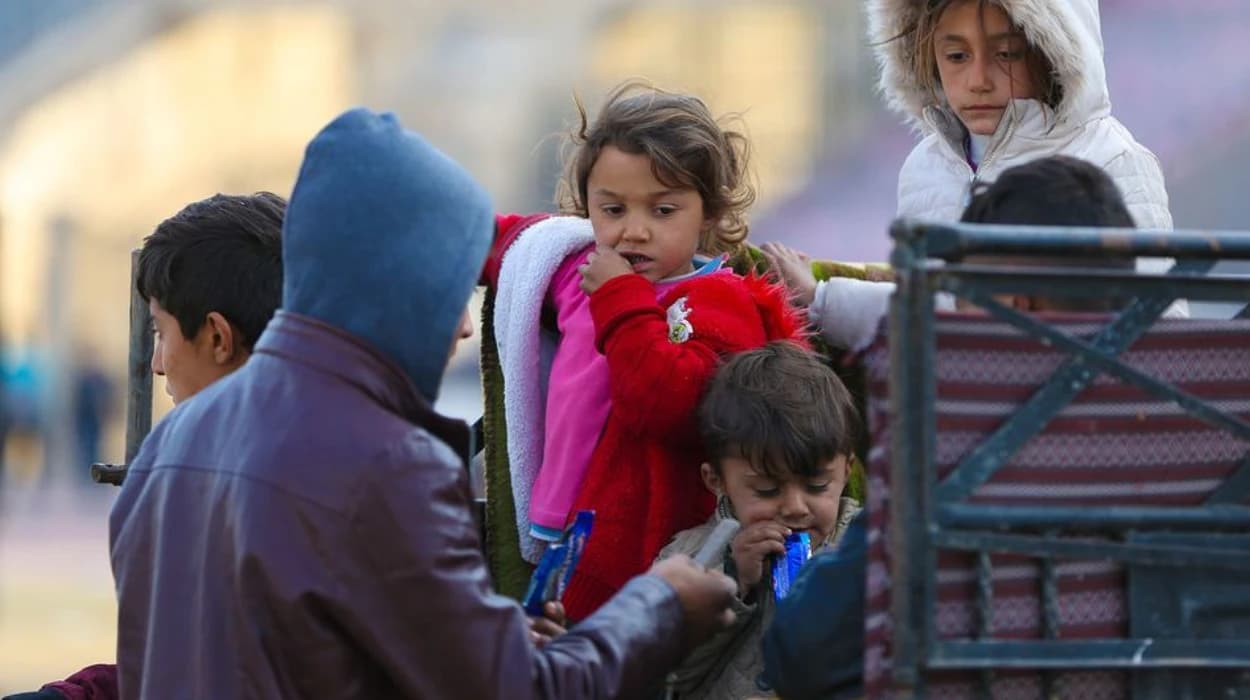
 Credit: UNICEF/UN0591072/Taxta
UNICEF reported 2.1 million children facing acute malnutrition, with 650,000 requiring urgent treatment. Water contamination affected 4 million in Deir ez-Zor governorate after Euphrates pumping stations halted operations. WHO documented 1,800 suspected cholera cases since October 2025.
16.5 million Syrians – 72 per cent of the population – require humanitarian assistance in 2026, per UN estimates. Funding appeals secured $2.8 billion of $8.7 billion requested, leaving critical gaps in shelter and winterisation programmes. 6.2 million refugees hosted in neighbouring countries received $1.2 billion UNHCR support.
Cross-border aid from Turkey delivered 1,200 tonnes of supplies through Bab al-Hawa crossing before temporary closure on 20 January. Jordanian corridors facilitated 450 truckloads into Daraa province.
UN Agency Statements and Assessments
Special Envoy Pedersen told the Security Council on 20 January that political negotiations remain stalled since Astana process suspension. He recorded 150 mediation contacts with Damascus, Ankara, and Moscow without progress. Guterres appealed for "de-escalatory measures" in his 21 January statement.
OCHA's 2026 Syria Humanitarian Needs Overview detailed $8.7 billion requirements, prioritising northeast and northwest regions. Laerke confirmed 45 per cent of health facilities non-functional in opposition-held areas. Protection cluster reported 1,800 grave violations against children in 2025.
UN Human Rights Monitoring Mission verified 2,300 civilian deaths from January to December 2025, highest since 2021. Arbitrary detentions numbered 4,500 cases under investigation.
Regional Actor Positions
 Credit: duvarenglish.com
Turkey's Foreign Ministry reported 950,000 Idlib residents under protection, with 25 observation posts operational. Defence Minister Yaşar Güler confirmed artillery exchanges with regime positions. Ankara hosted Syrian opposition delegation on 19 January, pledging military sustainment.
Russia's UN Ambassador Vassily Nebenzia defended operations as counter-terrorism, citing HTS UN designation. Foreign Minister Sergey Lavrov proposed constitutional committee resumption under Astana guarantors. 47 military hospitals treated 12,000 casualties since July 2025.
Iran's UN envoy Amir Saeid Iravani reaffirmed ground support to Damascus, reporting 320 personnel rotations. Hezbollah Secretary-General Hassan Nasrallah announced frontline adjustments preserving strategic positions.
Aid Delivery Constraints and Incidents
12 UN convoys denied entry at 35 checkpoints since 10 January, per WFP logistics cluster. Shelling damaged three warehouses in Hama storing 800 tonnes of flour. ICRC suspended field operations in rural Latakia after convoy attack injuring four staff.
Cross-line deliveries reached 250,000 beneficiaries in Homs with nutritional supplements. Air bridge from Amman delivered 180 tonnes of trauma kits to Damascus International Airport. Prepositioned stocks sustain 1.5 million for three months in northwest hubs.
Winter storms compounded needs, with 800,000 lacking adequate shelter. Fuel shortages halted 65 per cent of bakeries in Deir ez-Zor.
Displacement Patterns and Refugee Flows
IOM verified 450,000 new displacements since October 2025, primarily to Turkey border camps. 117,000 crossed into Türkiye since 1 January, straining 3.6 million existing refugees. Lebanese Armed Forces repelled 8,500 arrivals at Arsal perimeter.
Jordan hosted 92,000 new entries near Rukban, activating border reception centres. Iraq reported 15,400 Syrian arrivals in Dohuk governorate. UNHCR registered 2,800 unaccompanied minors separated during flight.
Host country support packages totalled $1.1 billion, including $450 million Turkish cash assistance. Lebanon suspended work permits for Syrians pending security vetting.
Security Council Deliberations
 Credit: AP photo/Yuki Lwamura
15 January open briefing featured France's veto threat against resolution softening. UK Ambassador Barbara Woodward called for "immediate humanitarian pause." China abstained from recent draft, citing sovereignty principles.
Geir Pedersen presented quarterly report documenting 1,200 mediation failures. Briefers confirmed 320 attacks on civilian infrastructure since July 2025. Council president Indonesia scheduled Arria-formula meeting on 25 January.
Draft elements circulated for technical roll-over of cross-border mechanism through July 2026. 13 members expressed readiness pending Damascus consultations.
Economic and Infrastructure Impacts
World Bank estimated $12.4 billion reconstruction needs for 2026, prioritising electricity grid repairs. 90 per cent of hospitals lack consistent power. Fuel imports secured 180,000 tonnes via Tartus port.
Syrian pound depreciated 18 per cent against USD since November. Central Bank rationed $900 million reserves for essentials. Wheat imports covered 85 per cent requirements through June harvest.
UNDP documented 7.2 million food insecure, with 2.9 million dependent on e-vouchers. Agricultural output declined 22 per cent from pre-conflict levels.
International Donor Contributions
US announced $450 million package targeting northeast NGOs. Germany committed €200 million winter response. Kuwait pledged $100 million through Islamic Relief Agency.
Qatar delivered 650 tonnes medical supplies via military airlift. Saudi Arabia hosted pledging conference securing $1.2 billion commitments. EU allocated €650 million neighbourhood instrument.
Japan provided $80 million non-food items prepositioning. South Korea dispatched 12 water treatment units to Aleppo.
Medical and Protection Needs
WHO treated 1.2 million consultations in 2025, 40 per cent trauma-related. Polio vaccination campaigns reached 2.8 million children before access closures. 650,000 received mental health support.
UNFPA distributed 1.1 million dignity kits to women. Gender-based violence reported 15,400 incidents requiring response. Child protection partners reunified 2,100 separated children with families.
Mine action teams cleared 1,800 hectares, destroying 12,000 devices. 340 civilian casualties from unexploded ordnance in 2025.
Upcoming Diplomatic Initiatives
Astana guarantors convene 28 January in Sochi. UN-Arab League envoy resumes Damascus shuttle 25 January. Friends of Syria group meets Riyadh 30 January.
OIC Secretary-General convenes extraordinary session 27 January. EU foreign ministers discuss 23 January sanctions review. League of Arab States ambassadors brief 24 January.