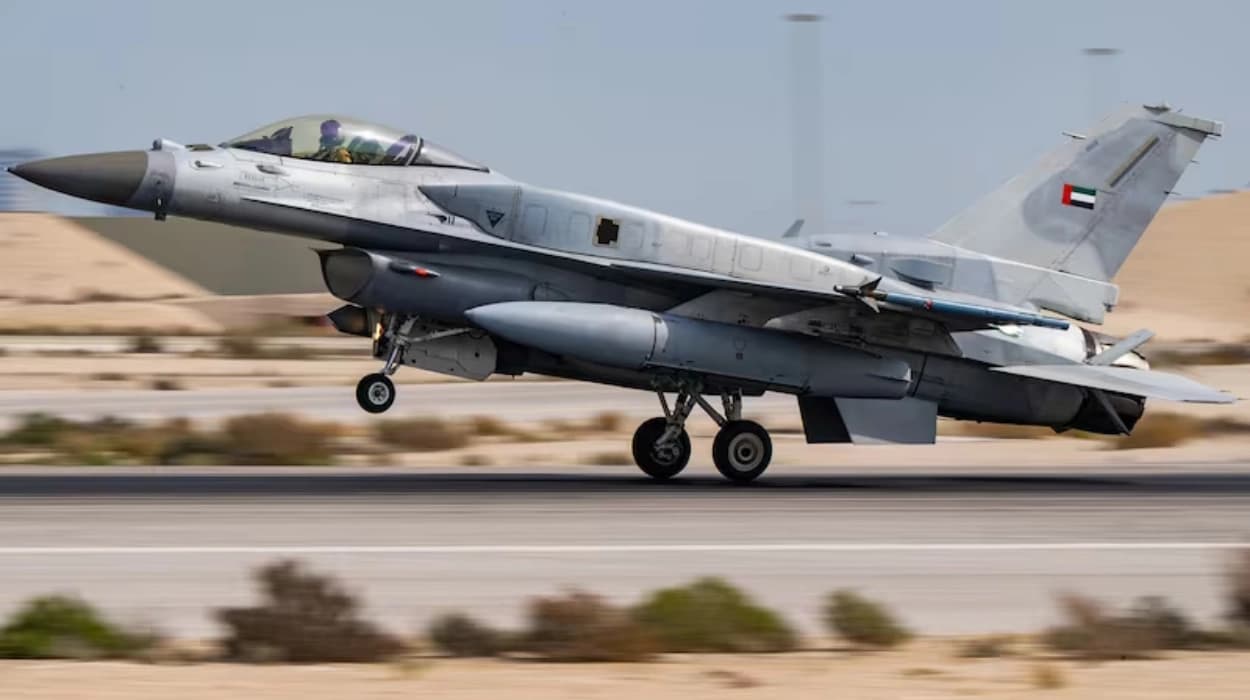
Doha (The Palestine Telegraph Newspaper) 3 January 2026 – United Arab Emirates security forces arrived in Qatar to participate in the Arabian Gulf Security 4 military exercise. The multinational drill involves Gulf Cooperation Council members focusing on joint defence operations. Participants emphasise regional stability amid shared security challenges in the Arabian Gulf.
A contingent of UAE security personnel landed at Al Udeid Air Base in Qatar on 22 January 2026, marking the start of the Arabian Gulf Security 4 exercise. Qatari Defence Ministry officials welcomed the arrivals during a formal ceremony attended by GCC representatives. The exercise runs through 5 February and includes air, sea, and land components.
Qatar News Agency reported the UAE delegation numbered approximately 1,200 troops, equipped with armoured vehicles and surveillance systems. Host nation Qatar contributed 2,500 personnel, with Saudi Arabia, Bahrain, Kuwait, and Oman deploying similar-sized units. The event coincides with annual GCC defence coordination meetings.
Details of UAE Arrival and Exercise Preparations
 Credit: Staff Sgt. Jon AldermanStaff Sgt. Jon Alderman
UAE Air Force C-130 transport aircraft ferried the main body from Abu Dhabi International Airport, completing the 45-minute flight without incident. Ground crews offloaded equipment including MRAP vehicles and electronic warfare kits. Qatari forces provided logistical support, including fuel depots and maintenance hangars.
Exercise organisers outlined scenarios simulating maritime interdiction, border defence, and counter-terrorism raids. Participants conduct live-fire drills in the Ras Laffan training area north of Doha. Commanders established a joint operations centre at Al Rayyan for real-time coordination.
GCC Secretary-General Jassim Al Budaiwi attended the opening briefing, stating the drill strengthened collective defence postures. He referenced recent maritime incidents in the Gulf as rationale for enhanced interoperability. No foreign observers received invitations this year.
Objectives and Scope of Arabian Gulf Security 4
The exercise focuses on rapid response tactics against asymmetric threats, including drone swarms and speedboat attacks. Naval units practise blockade enforcement in Qatar's territorial waters. Air forces simulate integrated strikes using F-16 and Eurofighter jets.
Previous iterations in 2023 and 2024 yielded data on response times reduced by 25%. Organisers aim to test new communications protocols compatible across GCC systems. Medical evacuation simulations form a core component, involving field hospitals deployed by each nation.
Qatar hosts the event for the second consecutive year, leveraging expanded facilities at Al Udeid. The base serves as primary hub, accommodating 8,000 personnel total. Temporary infrastructure includes water desalination units and power generators.
Statements from Participating Gulf Nations
 Credit: .tacticalreport.com
UAE Minister of State for Defence Affairs Mohammed bin Mubarak Al Mazrouei described the deployment as routine cooperation. He noted exchanges of best practices in cyber defence integration. UAE troops underwent pre-arrival briefings on Qatari terrain and protocols.
Qatari Chief of Staff Lieutenant-General Abdulaziz Al Nabit welcomed participants, affirming commitment to GCC unity. He highlighted joint procurement initiatives for patrol vessels discussed on sidelines. Bahrain's contingent commander echoed priorities on maritime domain awareness.
Saudi Deputy Defence Minister Prince Khalid bin Salman arrived separately, conducting bilateral talks with Qatari Emir Tamim bin Hamad Al Thani. Discussions covered ammunition stockpiles and intelligence sharing. Oman contributed maritime specialists focused on strait navigation.
Background on GCC Military Cooperation Exercises
Arabian Gulf Security exercises originated in 2010 as response to regional unrest. The series expanded post-2017 Qatar diplomatic crisis resolution. Edition 3 in Kuwait drew 10,000 troops, setting participation records.
GCC nations maintain permanent joint command in Riyadh, overseeing annual drills. Budget allocations rose 15% in 2026 fiscal plans, prioritising exercises. Interoperability standards now mandate common encryption for radios and drones.
External threats cited include Houthi attacks on shipping since 2023. GCC forces repelled incursions without escalation. Exercises incorporate lessons from Red Sea patrols conducted collaboratively.
Logistical Arrangements for Multinational Participation
Al Udeid expansion accommodated influx, with new barracks housing UAE units. Caterers sourced halal provisions from local suppliers, serving 15,000 meals daily. Waste management contracts ensured environmental compliance during field operations.
Medical teams established triage points equipped for trauma care. Qatari field hospitals feature operating theatres and blood banks. Evacuation helicopters stand ready on 24-hour alert.
Cyber defence simulations run parallel, hosted in Doha command bunkers. Participants test firewall responses to simulated hacks originating from actor networks.
Regional Security Context Surrounding the Exercise
GCC leaders convened in Riyadh on 20 January, endorsing exercise timelines. Discussions addressed Iranian naval movements near Hormuz Strait. No direct linkages stated between drills and external postures.
US Central Command maintains presence at Al Udeid, focusing on separate missions. Qatar hosts 11,000 American troops under defence pacts. GCC exercises proceed independently of coalition activities.
Yemeni developments prompted heightened maritime patrols. Houthi claims of vessel targeting subsided ahead of drill start. Gulf navies increased frigate deployments pre-exercise.
Equipment and Technology Showcased in Drills
UAE deploys Otokar Cobra vehicles armed with 30mm cannons. Qatari forces field Kirki II tanks acquired from Turkey. Saudi units integrate THAAD interceptors for air defence layers.
Unmanned systems feature prominently, including Bayraktar TB2 drones loaned across contingents. Sonar buoys enhance underwater threat detection. Night-vision gear standard across infantry squads.
Post-exercise evaluations schedule equipment swaps for 2027 iteration. Data analytics track performance metrics via secure networks.
Public and Media Engagement During Exercise
Qatari media broadcast daily updates via Al Jazeera and state channels. Live streams show aerial manoeuvres over Gulf waters. Public exhibitions planned in Doha Corniche feature static displays.
Social media handles under #GulfSecurity4 post footage with watermarks. Accredited journalists embed with units under ground rules. No live combat streams permitted.
GCC citizens receive briefings on exercise safety zones. Fishing restrictions enforce around training areas until 6 February.
Previous Exercises and Lessons Incorporated
Edition 2 in UAE featured amphibious landings at Jebel Ali. Bahrain hosted urban combat scenarios in 2025. Cumulative data informs scenario designs annually.
Injury rates dropped 40% since protocol updates. Cross-training programmes certify 500 specialists yearly. Women officers participate in command roles across forces.
Future plans include space asset integration by 2028. Satellite imagery feeds real-time displays during simulations.
Closing Phases and Debrief Procedures
Exercise culminates in full-scale assault on mock island target. Graduating ceremonies award certificates to top performers. Troops redeploy home 48 hours post-finish.
Joint report compiles findings for GCC defence ministers. Recommendations feed budget cycles and procurement lists.
No incidents marred opening days as of 23 January. Operations proceed on schedule under clear skies.