Yemen (The Palestine Telegraph Newspaper) February 04, 2026 - Humanitarian operations in Yemen face severe disruptions from active front lines, administrative fragmentation, and funding shortfalls across multiple governorates. Agencies report worsening access to conflict-affected communities amid economic collapse and infrastructure damage. Key supply routes suffer insecurity, bureaucratic hurdles, and violence despite global appeals to safeguard aid delivery. Without sustained access and funding, vulnerability levels risk sharp escalation.
Recent reports from humanitarian organisations underscore the protracted conflict's role in creating one of the world's gravest crises, with millions needing aid after years of fighting, displacement, and economic woes. Insecurity and divided territorial control limit safe movement of people and goods, including vital supplies. Access constraints span security incidents to administrative blocks, impeding essential support to populations in need.
Escalating Constraints on Front-Line Humanitarian Operations
Aid workers in Yemen note that shifting front lines, armed groups, and risks of shelling restrict access to the most vulnerable communities. Insecurity on major roads and junctions complicates delivery of food, fuel, and medical items, prompting route changes or convoy delays. Unexploded ordnance and landmines add persistent dangers for civilians and staff.
Violence flare-ups, though sometimes brief, trigger immediate access halts, staff relocations, and aid pipeline breaks. These affect remote areas reliant on steady supplies. Advance notifications, deconfliction, and security protocols remain vital for operational continuity.
Fragmented Authorities Impede Aid Delivery
Authority fragmentation imposes varied administrative layers on humanitarian efforts. Travel permits, approvals, and registrations differ by region, causing programme delays. Overlapping demands from authorities extend timelines for new initiatives.
Negotiations with local and national entities form a core operational burden, covering permissions, beneficiary lists, and logistics. While many yield agreements, they curb response speed and adaptability to emerging needs.
UN Coordinator Warns of Rising Needs and Child Deaths
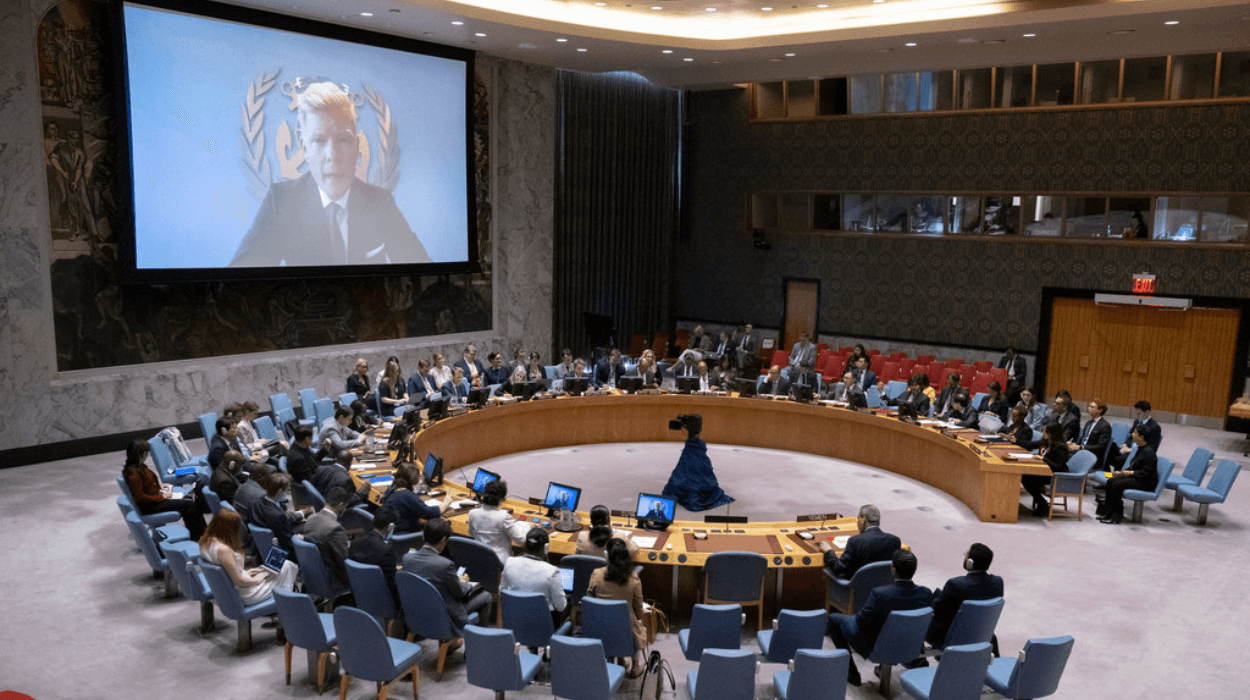
In a stark assessment of the crisis, UN officials highlighted surging humanitarian demands. Julien Harneis, UN Resident and Humanitarian Coordinator for Yemen, addressed the scale at a recent Geneva press event.
UN Yemen - الأمم المتحدة في اليمن @UNinYE said in X post,
"Yemen is, without doubt, the most complex humanitarian situation I have ever worked in- but the simple reality is this: children are dying, and it is going to get worse,” warned Julien Harneis @julienmh, UN Resident and Humanitarian Coordinator for Yemen, at a press conference yesterday at the Palais des Nations in Geneva @UNGeneva, noting that the number of people in need has risen to 21 million, up from 19.5 million in 2025."
Read the full transcript of the Press Conference by Julien Harneis, UN Resident and Humanitarian Coordinator for Yemen.This statement reflects reports of 21 million in need, up from 19.5 million last year, amid access barriers worsening outcomes for children and others.
Food Security and Health Services Under Strain
Access issues compound economic decline, hitting food security hard. Food aid mitigates severe hunger, but restrictions, funding shortfalls, and logistics force ration cuts in spots. Prolonged breaks risk hunger spikes for displaced and low-income groups.

Health systems suffer facility damage, supply gaps, and reach limitations from security and bureaucracy. Maternal, child, and primary care falter, with outreach and referrals disrupted in several districts.
Water, sanitation, and power infrastructure degrade from conflict, neglect, and repair blocks. Delays in equipment transport, site access, and approvals hinder fixes critical for disease control and daily life.
Displacement and Protection Challenges Persist
Years of conflict drive repeated internal displacement, with sites and host areas often hard to access due to security or logistics. Where reachable, shelter, water, health, and protection aid ties directly to staff and supply presence.
Women, children, and vulnerable groups face acute protection risks, with access limits curbing case management, psychosocial aid, and violence survivor support. Movement curbs also block safety-seeking, family reunions, and service access.
Economic Crisis Amplifies Import and Funding Pressures
Economic freefall slashes incomes and jobs, pushing reliance on aid and remittances. Currency falls and import-driven price hikes erode buying power for staples. Commercial import snags raise costs further for struggling families.
Funding shortfalls force aid cuts or shifts, hitting food, nutrition, and health hardest despite steady needs. Predictable finance underpins planning in this tough setting.
Expert Calls for Dialogue Amid Military Escalation
Think tanks monitoring Yemen urge swift responses to fresh fighting. Restoring security demands faction talks to shield civilians and aid.
معهد رصانة- RASANAH INSTITUTE @rasanahiiis said in X post,
“Renewed military escalation in Yemen demands urgent action to restore security. Prioritizing dialogue among factions is essential to ensuring civilian safety and addressing humanitarian needs.”
Such views align with patterns of periodic violence hampering aid.
Global Push for Access and De-escalation
UN and diplomatic bodies stress unhindered access in statements and forums, urging conflict parties to ease staff and goods movement while honouring aid neutrality. Donors engage authorities on hurdles for practical fixes.

De-escalation and dialogue bids aim to ease hostilities, enabling aid gains, though fragility persists with violence risks. Agencies prepare for volatility while pushing better conditions.
Adhering to Principles in Adaptation Strategies
Aid groups uphold humanity, neutrality, impartiality, and independence, prioritising needs without bias. Principle respect by all preserves access.
Operations adapt via local partners, field offices, flexible logistics, and remote setups with monitoring to ensure aid reach in high-risk zones.
Access Outlook in Fluid Security Landscape
Yemen's shifting politics and security mean variable access by region and time. Front changes or new rules could alter aid routes and scale. Stakeholder coordination stays key.
Access gains need economic and service stabilising for full impact, but easing constraints, principle adherence, and funding hold crisis limits. Millions depend on unbroken aid flows.