Jerusalem (The Palestine Telegraph Newspaper) - Israel is seeking to ensure that more Palestinians are allowed to leave the Gaza Strip than are permitted to return, according to recent reporting that highlights the scale of displacement and the constraints facing civilians amid the ongoing war. The policy emerges against the backdrop of extensive destruction, mass internal displacement and limited prospects for large‑scale reconstruction or safe return in the near term.
International organisations continue to warn of severe humanitarian consequences for Gaza’s population, most of whom have been displaced at least once since the conflict escalated in October 2023. Governments and aid agencies are closely monitoring the situation as discussions continue over Gaza’s future governance, security and civilian movement.
Israel’s approach to population movements from Gaza has focused on tightly controlled crossings, security vetting and coordination with foreign governments willing to receive injured, dual nationals or specific categories of civilians. Reports indicate that while some Palestinians have been permitted to exit Gaza for medical treatment or relocation abroad, returns have remained heavily restricted.
At the same time, international bodies, including the United Nations and humanitarian agencies, have reiterated that displaced Palestinians have the right to return to their homes when conditions allow and have raised concerns about any policy that could entrench long‑term displacement.
Israeli objectives on Gaza crossings and movement
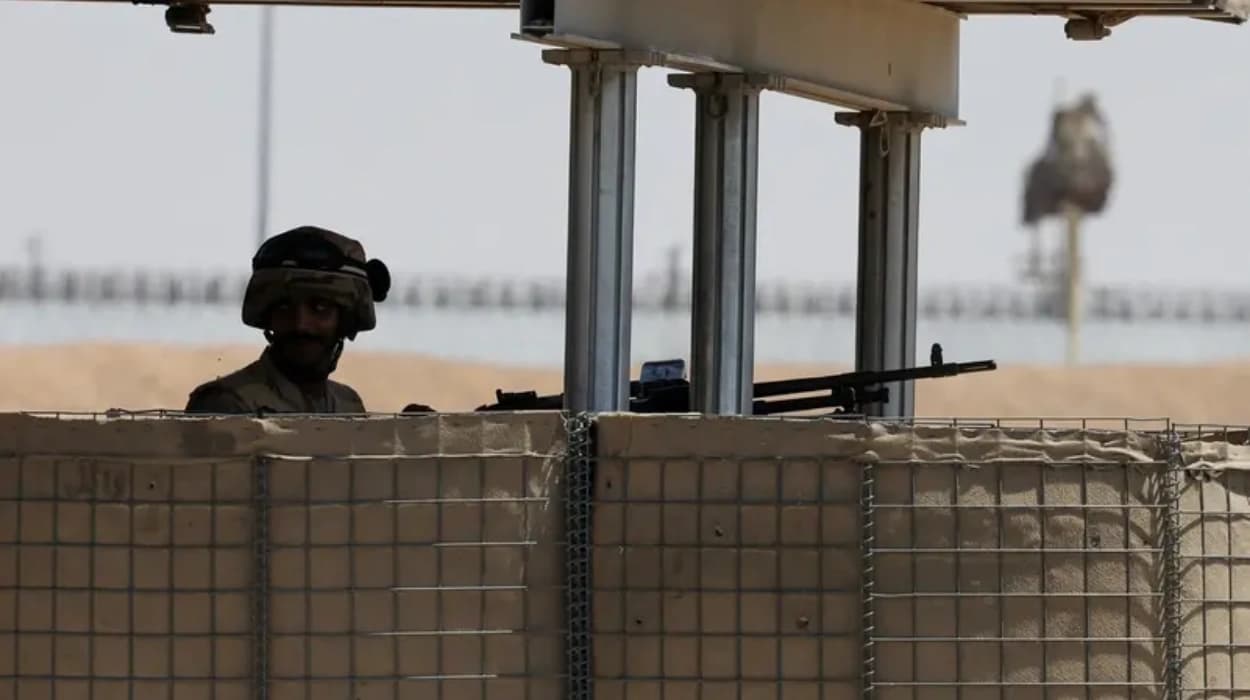
Israeli authorities have maintained comprehensive control over movement into and out of Gaza’s main crossings under their direct or indirect oversight since the start of the current phase of the conflict. Public statements by Israeli officials have consistently framed restrictions on movement as necessary security measures, aimed at preventing militants from regrouping, limiting arms smuggling and reducing threats to Israeli forces and civilians.
In this context, decisions on who may leave or attempt to return to Gaza have been closely tied to Israeli security assessments and coordination with foreign governments.
Reports from credible international media and humanitarian sources describe a pattern in which departures for medical cases, foreign passport holders and certain relatives have been facilitated in limited numbers, while large‑scale civilian return movements have not been permitted. These arrangements have generally been coordinated through specific lists and approvals, often involving negotiations between Israel, neighbouring states and international organisations.
The numbers involved in these approved departures remain small relative to Gaza’s overall population and the scale of internal displacement inside the territory.
Humanitarian situation and displacement inside Gaza
 Credit: Getty Images
The conflict has resulted in extensive displacement, with the majority of Gaza’s approximately 2.2 million residents forced from their homes at least once since the escalation in October 2023. Large areas of northern Gaza and parts of central and southern districts have sustained significant damage to housing, infrastructure and basic services.
UN agencies and humanitarian organisations have repeatedly reported that many displaced people now live in overcrowded shelters, informal camps or temporary accommodation with limited access to clean water, sanitation, food and medical care.
International assessments indicate that, even in areas where active fighting has diminished at times, damage to essential infrastructure and continued security risks have made it difficult for civilians to return safely to their original neighbourhoods. Aid agencies have stressed that reconstruction, clearance of unexploded ordnance and restoration of basic services are prerequisites for any sustainable and voluntary return.
In this environment, the balance between those leaving Gaza through tightly controlled channels and those able to return has become a central issue in broader debates about the territory’s future.
International law, right of return and global reactions
 Credit: lawvs.com
Legal experts and international organisations have underlined that displaced civilians retain the right to return to their homes once hostilities end and conditions allow, in line with established principles of international humanitarian and human rights law.
The United Nations and a range of governments have warned against any measures that could amount to forced transfer or create permanent obstacles to return, including policies that facilitate outward movement without corresponding guarantees for eventual return. These concerns have been reflected in statements at the UN Security Council and other international forums addressing the war in Gaza and its humanitarian impact.
Several governments have expressed unease at reports suggesting an emphasis on enabling exits from Gaza while severely limiting returns. Diplomatic statements have called for respect of Palestinians’ rights, including their ability to return to their homes, and for any evacuation or relocation to be strictly temporary, voluntary and carried out with full safeguards.
Humanitarian agencies have also emphasised the need for transparent, non‑discriminatory policies on movement, consistent with international law and aimed at reducing, rather than deepening, long‑term displacement.
Role of neighbouring countries and evacuation arrangements
Neighbouring countries, particularly Egypt, have played a central role in arrangements for the exit of specific categories of Palestinians from Gaza. The Rafah crossing on Gaza’s southern border has served as a key point for evacuations, including injured civilians, foreign passport holders and some family members.
These movements have depended on detailed coordination between Egyptian authorities, Israel, foreign embassies and, in some cases, international organisations. Lists of approved evacuees have been compiled and processed over time, with departures taking place in limited, controlled groups.
While these evacuations have provided critical relief for some of the most vulnerable individuals, including those requiring urgent medical treatment unavailable inside Gaza, they have not altered the broader reality of mass internal displacement. Neighbouring states have also signalled that they do not support any large‑scale or permanent resettlement of Gaza’s population on their territory. Statements from regional governments have stressed that any temporary hosting of Palestinians must not be interpreted as acquiescence to long‑term demographic changes in Gaza or the wider Palestinian territories.
Debate over Gaza’s future governance and security
The question of who will govern Gaza and how security will be managed after the current conflict remains unresolved and is closely linked to policies on civilian movement and return.
International discussions have included proposals involving a strengthened role for the Palestinian Authority, possible interim security arrangements and a larger presence of international actors in reconstruction and oversight. However, there is no agreed framework in place, and significant differences persist between the parties directly involved and among regional and international stakeholders.
In the absence of a clear political settlement, decisions on population movement, including who may leave or return to Gaza, have continued to be shaped primarily by security calculations. This has heightened concerns among international observers that temporary emergency measures could become de facto long‑term arrangements if not anchored in a broader political agreement.
Diplomats and UN officials have reiterated that any durable solution for Gaza must address civilian rights, including freedom of movement and return, alongside security guarantees for all sides.
Conditions for potential return and reconstruction challenges
Even in a scenario where large‑scale returns are authorised, the physical and institutional conditions required for safe, voluntary and dignified return would present major challenges. Extensive damage to housing, roads, electricity networks, water systems, hospitals and schools would necessitate a long‑term reconstruction effort costing many billions of dollars.
International financial institutions and donor governments have noted that previous pledges for Gaza’s reconstruction in earlier conflicts were only partially fulfilled, underscoring the need for sustained political and financial commitments.
Technical experts have highlighted that clearance of unexploded ordnance, stabilisation of damaged structures and rehabilitation of basic services would be prerequisites for widespread return to many neighbourhoods. Humanitarian agencies have also stressed the importance of transparent mechanisms to verify property claims, support families whose homes have been destroyed and prevent secondary displacement.
Without these elements, displaced families might face prolonged stays in temporary shelters or informal settlements, even if formal restrictions on return were eventually eased.
Humanitarian access, aid corridors and monitoring
Humanitarian access into Gaza continues to depend on approval for aid convoys and the functioning of designated crossings. International relief organisations have called for predictable, large‑scale access for food, water, medical supplies, fuel and shelter materials, noting that current levels of assistance have been insufficient to meet the needs of the displaced population. Monitoring mechanisms at crossings and within Gaza have been established to varying degrees, often involving UN agencies, to track the delivery of aid and the situation of civilians.
In this context, the management of population movements – including departures for medical treatment or relocation and any future returns – is closely tied to broader questions about humanitarian access and oversight. Aid organisations have recommended that any policy affecting the balance between exits and returns should be subject to transparent monitoring, with clear data on numbers, categories of people moving and the conditions they face.
Such information is considered essential for assessing compliance with international obligations and for shaping an effective humanitarian response.
Ongoing diplomatic efforts and next steps
Diplomatic efforts involving regional and international actors continue to focus on securing ceasefires, increasing humanitarian access and laying the groundwork for a political framework that can address the long‑term status of Gaza. Discussions at multilateral forums have repeatedly underlined that any sustainable arrangement must ensure both security for Israel and protection of Palestinian civilian rights, including the right of displaced people to return when conditions allow.
The balance between facilitating necessary temporary evacuations and safeguarding the possibility of future return remains a central concern in these talks.
As negotiations proceed, the reported Israeli objective of allowing more Palestinians to leave Gaza than to return is being closely scrutinised by governments, legal experts and humanitarian bodies. The outcome of these discussions, and any formal agreements that emerge, will determine how movement into and out of Gaza is regulated in the coming months and years.
The decisions taken will have far‑reaching implications for the territory’s demographic composition, the prospects for reconstruction and the lives of hundreds of thousands of displaced Palestinians.