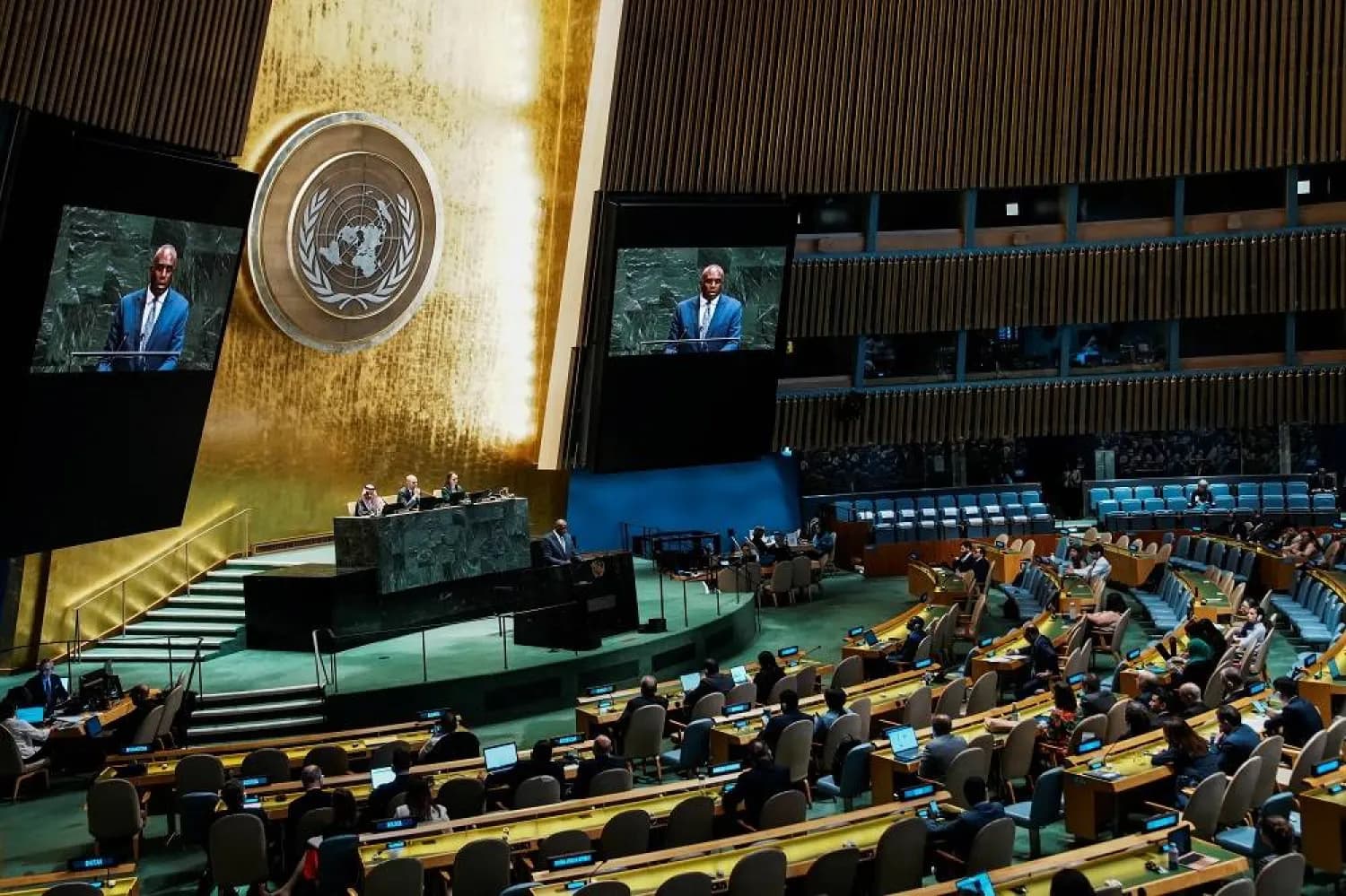
The relationship between Palestine and the United Nations represents one of the most enduring and intricate interactions within international diplomacy. This multifaceted engagement spans decades and reflects broader tensions around statehood, self determination, human rights, and international legal norms. A thorough understanding of the ties between Palestine and the UN involves exploring their historical roots, diplomatic developments, key UN resolutions, humanitarian efforts, legal intricacies, ongoing challenges, and the broader impact on global diplomacy.
Roots of Palestine and the United Historical Nations
The United Nations’ formal role in the Palestine question began during the tumultuous period following World War II and the collapse of the British Mandate in Palestine. With rising tensions between Jewish and Arab populations and competing nationalist claims intensified by the aftermath of the Holocaust and imperial retrenchment, the UN sought an international solution.
In 1947, the UN General Assembly adopted Resolution 181, which recommended partitioning Palestine into two independent states one Jewish and one Arab alongside an international regime for Jerusalem. This resolution was accepted by the Jewish leadership, paving the way for the proclamation of Israel. Palestinian Arabs and the neighboring Arab states, however, rejected the partition plan, leading to armed conflict and mass displacement events that have entrenched the Israeli Palestinian conflict ever since.
The UN’s involvement did not stop there. After the 1948 Arab Israeli war, the UN established its first peacekeeping force, UNEF, and facilitated refugee assistance. This early period set the tone for decades of engagement balancing between peacekeeping, humanitarian aid, and political mediation.
Evolving Diplomatic Status of Palestine at the UN
Palestine’s diplomatic standing within the United Nations has changed gradually but significantly, mirroring shifts in international recognition of Palestinian state aspirations. Initially, the Palestine Liberation Organization (PLO) was granted observer status in 1974, enabling it to participate in General Assembly debates but not vote.
A major milestone came in 2012 when the UN General Assembly upgraded Palestine’s status to that of a non member observer state. This status, while not granting full membership, enabled Palestine to engage more fully in the UN system, including joining specialized agencies and international treaties. It was a diplomatic recognition acknowledging Palestinian claims to statehood without finalizing the complex realities on the ground. Today, over 130 UN member states recognize Palestine as a state, reflecting a substantial but incomplete international consensus.
This observer status symbolizes the global community’s nuanced stance recognizing the rights and identity of Palestinians while underscoring the unresolved nature of their sovereignty and the ongoing peace negotiations.
Landmark UN Resolutions Shaping the Palestine Question
Throughout the decades, the United Nations has passed a series of crucial resolutions addressing the Israeli Palestinian conflict, which have become benchmarks of international law and diplomacy.
UN Security Council Resolution 242 stands as a cornerstone. It calls for the withdrawal of Israeli armed forces from territories occupied during the 1967 Six Day War and emphasizes
"the inadmissibility of the acquisition of territory by war."
It also advocates for the right of every state in the region to live in peace within secure and recognized boundaries. This resolution serves as a basis for subsequent peace negotiations.
UN General Assembly Resolution 194 declares that refugees wishing to return to their homes should be permitted to do so and receive compensation for their losses. The refugee issue remains one of the most sensitive and persistent dilemmas in the conflict.
In addition, the UN Human Rights Council frequently issues resolutions addressing humanitarian concerns, violations of international law, and Israeli settlement activity deemed illegal under international law.
Together, these and many other resolutions guide international diplomatic efforts and frame the legal discourse on Palestine, even though their implementation often faces political hurdles.
Humanitarian Role of the UN and UNRWA
An essential component of the UN's engagement with Palestine is its humanitarian mission, primarily embodied by the United Nations Relief and Works Agency for Palestine Refugees in the Near East (UNRWA). Founded in 1949, UNRWA provides education, healthcare, social services, and emergency aid to millions of Palestinian refugees dispersed across Gaza, the West Bank, and neighboring countries including Jordan, Lebanon, and Syria.
UNRWA’s work is critical because Palestinian refugee populations often face statelessness and restricted access to basic services. The agency runs thousands of schools and clinics, playing a vital role in stabilizing vulnerable communities amidst ongoing conflict and economic hardship.
This humanitarian dimension complements the political functions of the UN by addressing immediate needs on the ground, helping prevent further destabilization, and supporting development objectives aligned with global frameworks like the Sustainable Development Goals (SDGs).
Palestine’s Engagement with International Law Through the UN
Palestine’s involvement in international law has increased with its elevated status at the UN. Palestine ratified the Geneva Conventions and joined the Rome Statute, becoming a party to the International Criminal Court (ICC). This allows Palestinian authorities to seek international legal recourse for alleged violations and war crimes committed in Palestinian territories.
The ICC has opened preliminary examinations and investigations into events in Gaza and the West Bank, marking a significant step in international legal accountability. However, these legal processes are politically charged and have encountered opposition from Israel and some UN member states, reflecting tensions between legal frameworks and geopolitical realities.
This intersection of international law and diplomacy highlights the growing importance of the UN as a venue for addressing legal claims connected to the Israeli Palestinian conflict.
Challenges and Limitations in the Palestine UN Dynamics
Despite active engagement, the relationship between Palestine and the UN faces substantial challenges. One persistent obstacle is the lack of a final peace agreement between Israelis and Palestinians, which continues to hamper efforts for broader recognition and UN membership.
The UN Security Council, charged with maintaining international peace and security, is often paralyzed in decision making due to the veto powers of permanent members. This dynamic has repeatedly stalled resolutions addressing key issues such as settlement expansion and violence in Palestinian territories.
Moreover, fragmented international alliances create divergent approaches among member states, complicating consensus and enforcement of UN mandates. These political complexities contribute to fluctuating commitment levels and episodic setbacks in UN actions.
On the humanitarian front, deteriorating economic conditions, periodic conflict escalations, and unresolved refugee status issues impose urgent demands on UN agencies and test the durability of international support mechanisms.
The UN’s Role in Mediation and Peacebuilding
The UN remains a fundamental platform for dialogue and peacebuilding efforts involving Palestinians and Israelis. It supports mediation through special envoys and committees tasked with facilitating negotiations, promoting ceasefires, and encouraging confidence building.
From coordinating monitoring missions to hosting international conferences, the UN provides forums where stakeholders and global powers converge to explore political solutions. However, the UN’s capacity to enforce agreements is limited without cooperation from dominant regional and international actors.
Its role as an honest broker has endured despite obstacles, underscoring the necessity of multilateral dialogue even in protracted conflicts with deep rooted grievances.
Broader Implications for International Relations
The ongoing interaction between Palestine and the United Nations illustrates broader challenges faced by multilateral institutions operating at the intersections of sovereignty, human rights, and geopolitical interests. It exemplifies how fragmented global politics can influence the effectiveness of international law and peace efforts.
This relationship also spotlights the dilemmas of balancing normative mandates such as the right to self determination and humanitarian protection with the realpolitik considerations that shape diplomatic recognition, alliances, and decision making processes.
Ultimately, the Palestine UN dynamic remains a pivotal element in global diplomacy, where evolving political landscapes continually redefine norms and possibilities for conflict resolution and international cooperation