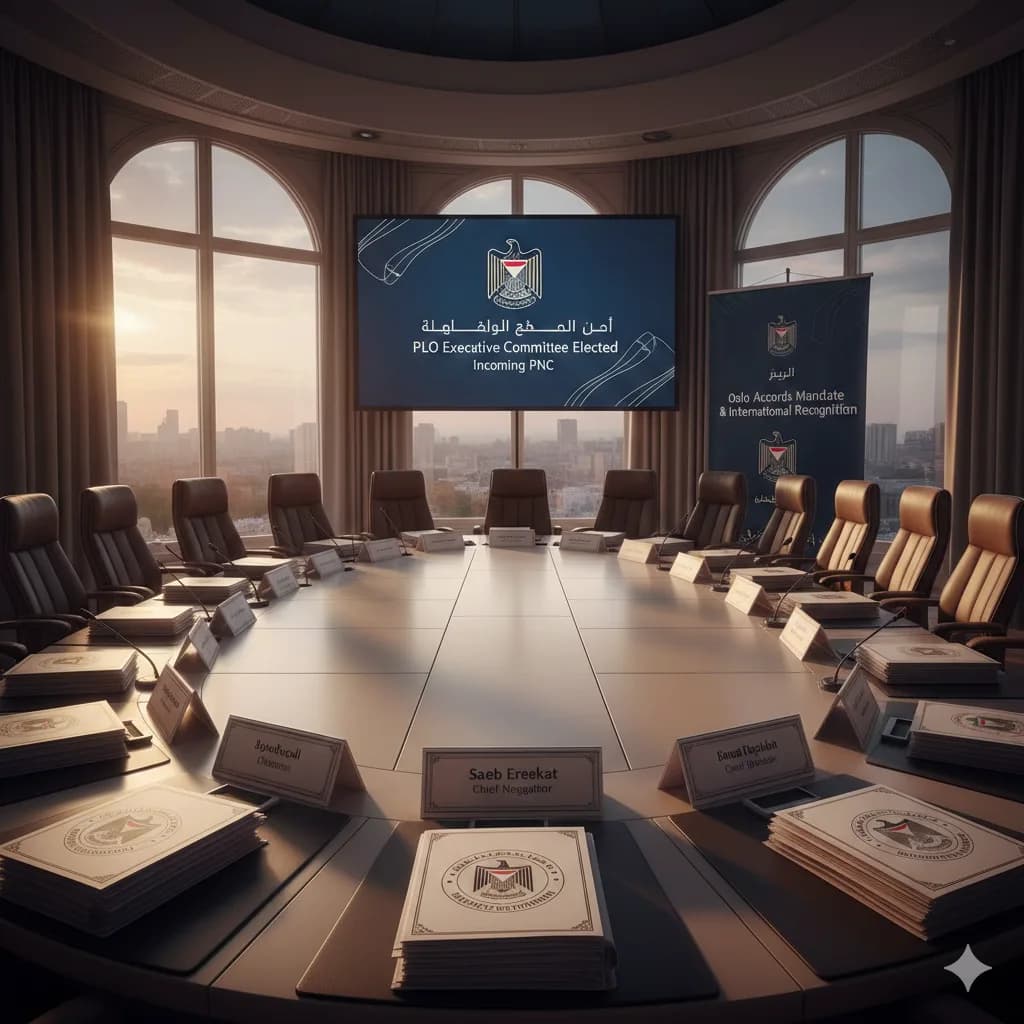
Ramallah (The Palestine Telegraph Newspaper) February 3, 2026 – Palestinian President Mahmoud Abbas has decreed elections for the Palestinian National Council (PNC), the PLO's parliament, on 1 November 2026, marking the first direct vote in its history. The 350-seat body will see two-thirds elected from Palestinian territories and one-third from the diaspora, overseen by the Central Elections Commission. Abbas called for maximum participation to renew leadership and foster unity.
The announcement, reported by official WAFA agency, follows Abbas signing the decree after earlier 2025 pledges. The PNC, established 1964, has appointed members since its last election in 1988 Algiers session.
Abbas heads both Palestinian Authority and PLO as chairman since 2004. The vote addresses legitimacy concerns amid factional divides.
Why Did Abbas Set 1 November for First Direct PNC Elections?
Mahmoud Abbas issued the decree instructing elections on 1 November 2026 for all Palestinians inside and outside territories, where feasible. WAFA cited the document tasking the Central Elections Commission with oversight. Abbas linked the move to democratic renewal post-60th PLO anniversary speech.
The New Arab reported the development via official channels. The New Arab (@The_NewArab) said in X post,
“Mahmoud Abbas announces 1 November elections for the Palestinian National Council, marking the first direct vote for the PLO’s parliament.”
The PNC elects the 18-member PLO Executive Committee and sets policy. Last competitive session convened 2009 with 1988-elected members.
What Structure Defines the 350-Seat Palestinian National Council?
The decree sets 350 PNC seats: two-thirds (233) from West Bank, Gaza, East Jerusalem; one-third (117) diaspora. Candidates must affirm PLO programme and UN resolutions. Preparatory committee forms within two weeks.
Saudi Gazette confirmed the date via WAFA. Saudi Gazette (@Saudi_Gazette) said in X post,
“President Mahmoud Abbas has announced that elections to the Palestinian National Council (PNC) will be held on November 1, the official Wafa news agency reported.”
Fatah currently holds 347 seats; smaller factions like PFLP represented. Direct vote replaces appointments since 1964 founding.
Historical Background of PNC Elections and Sessions
PNC formed 1964 Cairo as PLO legislature. Elections: 1964/1965 Cairo, 1988 Algiers (387 members). Sessions approved Oslo Accords 1996. Virtual 2021 unity meeting lacked mandate.
Abbas chaired 2009 Tunis session. No direct polls since Algiers amid intifada. TASS noted 2025 decree delayed from year-end target.
Abbas's Key Statements on PNC Elections and Participation
Abbas: "Elections wherever possible to ensure broadest participation." Decree emphasises diaspora inclusion via embassies or online. Central Elections Commission head Hanna Nasser affirmed readiness.
July 2025 decree set end-2025 goal, missed due to logistics. 1 November provides nine months preparation.
Reactions from Palestinian Factions to 1 November Date
Hamas welcomed "democratic steps" pending inclusivity. Basem Naim: "Support if free from dominance." Fatah's Jibril Rajoub hailed "historic empowerment."
PFLP demanded Hamas entry, Israeli arrest halt. Islamic Jihad set preconditions.
Logistics Challenges for PNC Polls in Territories and Diaspora
Israeli control blocks East Jerusalem registration, as 2021 cancellation. Gaza-West Bank split hinders campaigning. Diaspora mechanism untested at scale for 6 million.
Commission plans voter registry update, security at sites. 7 million eligible estimated.
PLO Executive Committee Elected by Incoming PNC
18-member body manages operations; Abbas chairs. Current: Saeb Erekat (negotiations). PNC elects every four years with two-thirds quorum.
New council gains Oslo, recognition mandate.

Link to Overdue Palestinian Authority Legislative Elections
PNC precedes Legislative Council polls Abbas pledged 2021, cancelled over Jerusalem. Presidency term expired 2009; Abbas rules by decree.
Local West Bank elections set 25 April 2026; Fatah banned Hamas last week.
International Responses to Abbas's PNC Election Decree
US State Department:
"Welcomes democratic steps."
EU's Josep Borrell:
"Inclusive process needed."
Israel monitors without comment.
Arab League's Aboul Gheit:
"Positive unity step."
UN's Tor Wennesland:
"Free and fair essential."
Fatah-Hamas Reconciliation Tied to 1 November Polls
Cairo 2017-2022 talks yielded unity cabinets. Hamas outside PLO; Abbas demands disarmament. Beijing 2022 failed on elections.
Hamas seeks recognition; polls test inclusion.
Legal Basis and Framework for PNC Elections
1968 PLO Basic Law mandates four-year cycles. 2003 Cairo Declaration reformed diaspora seats. 2005 Commission oversees.
Court for disputes; observers planned.
Diaspora Voting Plans for 117 PNC Seats Abroad
Embassy balloting, electronic proposed. Jordan, Lebanon largest communities. Oslo registry outdated.
US Palestinians organise committees.
Precedents from Prior Palestinian Electoral Efforts
2006 Hamas legislative win split governance. 2021 lists approved before cancellation. 2024 Gaza locals despite tensions.
PNC first direct vote post-1964.
Economic Aid Conditions Linked to Democratic Polls
World Bank: $1.7 billion 2026 deficit. Donors tie aid to reforms post-2006 freeze. Norway, Qatar bridge.
Elections may unlock EU/US funds.
Youth, Women Quota Demands in PNC Elections
Youth seek 35%; women parity. 2021 had 27% female candidates. Fatah pledges balance.
West Bank/Gaza students drive registration.

Media Regulations During PNC Campaign Period
Broadcast authority allocates airtime. Fatah Ramallah, Hamas Gaza control. Independents face pressures.
2006 monitors noted irregularities.
Projected Timeline Leading to 1 November Voting
Registration June; campaigning September; vote October-December. Certification January 2027 for PNC session.
Flexibility per conditions.
International Observer Commitments for PNC Elections
Carter Center, NDI teams. EU Parliament delegation. Arab League expected.

Fatah's Internal Preparations for 233 Homeland Seats
Abbas loyalists dominant; Barghouti popular jailed. Generational shift looms.
Succession fuels urgency.