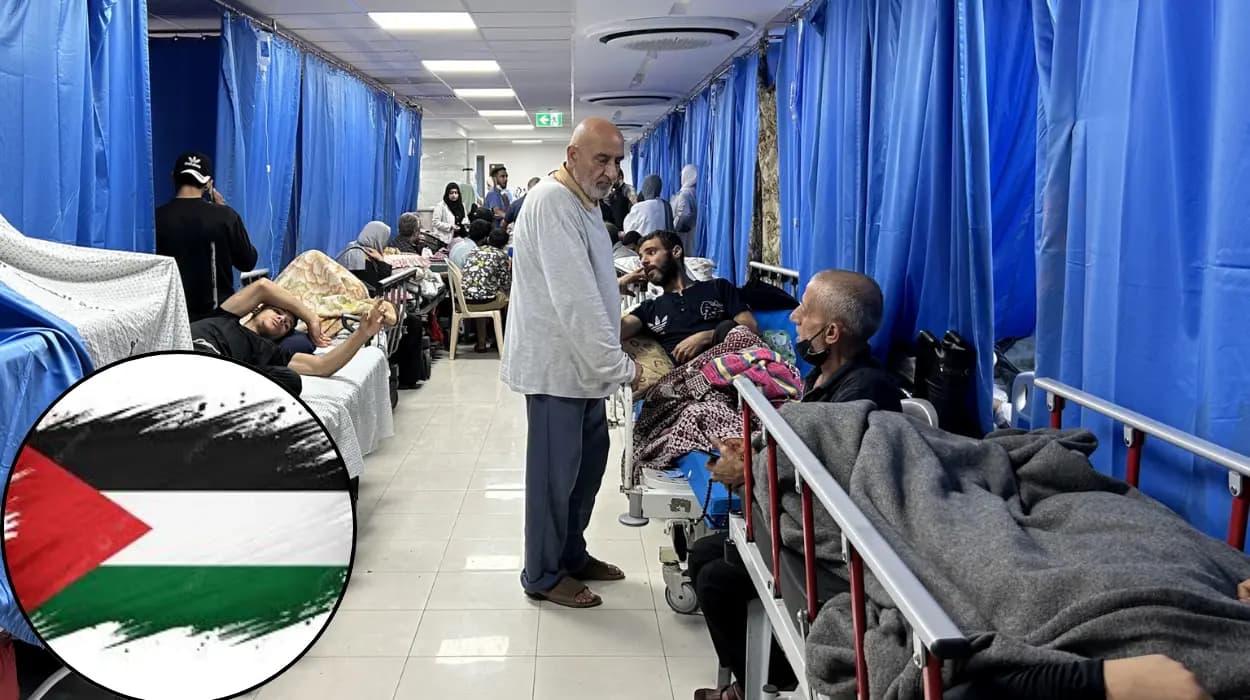
Gaza operates 36 hospitals serving over two million residents, with bed capacity averaging around 1,700 across public and private facilities. Primary care relies on roughly 120 clinics, many operating at limited functionality due to equipment deficits. The Palestinian Ministry of Health oversees operations, but coordination with international partners like UNRWA remains essential for vaccine distribution and maternal services.
Specialized units for oncology, dialysis, and pediatrics exist in major centers like Al Shifa and Nasser hospitals, yet sub specialty care often requires external referrals obstructed by access restrictions. According to WHO assessments, fewer than half of facilities maintain partial operational status during crises, exacerbating overload in remaining sites. Rural clinics prioritize preventive care, but urban hubs bear the brunt of trauma and chronic disease management.
Workforce and Capacity Constraints
Healthcare professionals in Gaza number approximately 4,500 doctors and 12,000 nurses, yielding a physician density below the global average of 1.5 per 1,000 people. WHO data indicates chronic disease patients estimated at 350,000 face treatment disruptions, with mental health needs affecting nearly 500,000 individuals. Training programs suffer from funding shortfalls, leading to reliance on short term international medical teams.
High risk pregnancies have surged due to obstetric care gaps, doubling complication rates per UN reports. Menstruating women and girls, numbering around 700,000, encounter hygiene product shortages amid water scarcity issues. Staff burnout compounds these pressures, as facilities exceed capacity by margins like 200-300% in peak overload scenarios.
Supply Chain Vulnerabilities
Essential medicines stock out at rates exceeding 25% for critical categories, per WHO monitoring, due to import dependencies and border delays. Fuel shortages cripple generator dependent hospitals, while clean water access remains a barrier for sanitation. The World Bank notes that conflict prone areas like Gaza allocate over 10% of GDP to health yet achieve suboptimal outcomes from logistical bottlenecks.
Chronic illness management falters without consistent insulin, dialysis fluids, or chemotherapy agents. International aid channels, including those from the Health Cluster, sustain minimal supplies, but distribution inequities persist across governorates. Replenishment cycles demand streamlined approvals to avert humanitarian crises.
Impact of Population Dynamics
Gaza's youth heavy demographic over 50% under 18 amplifies demand for pediatric and reproductive services. UNICEF data underscores elevated malnutrition risks among children, intertwining with infectious disease vulnerabilities. Non communicable diseases like diabetes and cardiovascular conditions prevail, affecting one in five adults per WHO epidemiology.
Displacement patterns strain mobile clinics, which serve internally uprooted populations lacking stable access. Maternal mortality ratios exceed regional benchmarks, tied to emergency care limitations. Integrated responses from WHO and partners target immunization coverage, yet polio resurgence threats loom without fortified campaigns.
Chronic Disease Burden
Around 350,000 residents manage chronic conditions, with cancer and renal failure cases overwhelming specialized beds. Dialysis centers operate at half capacity due to machine breakdowns and reagent lacks. Mental health disorders impact 20% of the population, demanding scalable counseling amid specialist shortages.
Hypertension and diabetes prevalence aligns with WHO global trends in high stress environments, where lifestyle factors compound genetic risks. Referral pathways to external facilities remain stalled, prolonging untreated cases and raising complication rates.
Maternal and Child Health Focus
Over 50,000 annual pregnancies challenge obstetric units, with cesarean needs unmet in peripheral sites. Neonatal intensive care units handle preterm births at rates double the global norm, per UN maternal health metrics. Vaccination programs via UNRWA achieve 95% coverage for basics but falter on boosters amid cold chain issues.
Breastfeeding promotion initiatives counter formula shortages, yet adolescent girl health suffers from anemia linked to nutritional gaps. WHO advocates community health workers to bridge antenatal gaps in underserved zones.
Infectious Disease Challenges
Crowded conditions foster outbreaks, with WHO tracking hepatitis and diarrheal diseases tied to water quality. Polio vaccination drives, supported by global eradication efforts, underscore vulnerability in under immunized pockets. Respiratory infections spike seasonally, overwhelming emergency departments.
Vector control measures lag due to pesticide restrictions, amplifying dengue like threats. Surveillance systems, bolstered by Health Cluster data sharing, enable early warnings but require enhanced lab diagnostics.
Role of International Partners
WHO coordinates the Health Cluster, channeling aid from donors like the EU and Qatar. UNRWA clinics serve refugees, providing 60% of primary care encounters. The World Bank emphasizes sustainable financing models to transition from emergency to development aid.
Emergency medical teams deploy field hospitals, supplementing fixed infrastructure during surges. Capacity building grants train local staff in trauma protocols, fostering resilience.
Mental Health Integration
Nearly half a million individuals need psychological support, with 20,000 requiring specialized intervention. WHO frameworks promote task-sharing, where generalists deliver basic therapy. Community resilience programs address grief and PTSD prevalent in protracted stress contexts.
Stigma reduction campaigns, aligned with global mental health strategies, integrate services into primary care. Telehealth pilots expand reach, circumventing mobility barriers.
Economic Pressures on Healthcare
Gaza's healthcare sector contends with severe economic constraints that limit investment in modern facilities and equipment. Households often spend over 15% of income on medical needs, per World Bank analyses of similar fragile economies, pushing many into debt or forgoing care. Donor fatigue among international funders exacerbates budget shortfalls, forcing prioritization of emergency responses over long term upgrades.
Public expenditure on health hovers below WHO recommended thresholds, straining operational costs for utilities and maintenance. Private sector involvement remains minimal due to regulatory hurdles, while informal fees undermine equitable access. Sustainable microfinance models, as endorsed by IMF frameworks for conflict zones, could alleviate these burdens by supporting community based insurance schemes.
Technological and Innovation Gaps
Adoption of telemedicine lags despite its potential to bypass access barriers, with internet connectivity unreliable in many areas. WHO promotes low-cost digital tools for remote diagnostics, yet implementation stalls from power outages and skill deficits. Mobile apps for patient tracking show promise in pilot programs but require scaled infrastructure.
Laboratory automation and AI driven epidemiology tools remain aspirational, constrained by import restrictions on tech components. Partnerships with tech firms, aligned with WEF digital health initiatives, could introduce affordable innovations like solar-powered devices. Bridging this gap demands policy reforms to foster local R&D hubs focused on adaptive, resilient technologies.
Pathways for Resilience
Rebuilding demands diversified funding, per World Bank reconstruction blueprints, prioritizing modular hospitals resistant to disruptions. Digital health records could streamline continuity across fragmented sites. Public-private partnerships, modeled on OECD successful cases, enhance procurement efficiency.
Training hubs for emergency obstetrics and chronic care protocols build local expertise. Water and sanitation investments, per WEF sustainability goals, underpin infection prevention. Coordinated governance between ministries and agencies ensures equitable resource allocation.
Data and Surveillance Systems
Health information systems track vital statistics, though underreporting persists in crises. WHO-supported dashboards monitor bed occupancy and supply levels in real-time. Epidemiological modeling predicts outbreak risks, informing prepositioned stockpiles.
Integration with Palestinian Authority platforms aids cross-border referrals. Big data analytics from partners like Johns Hopkins refine forecasting accuracy.
Gaza's medical framework exemplifies the interplay of demographics, logistics, and external support in sustaining care under duress. Fortified supply lines, workforce expansion, and resilient infrastructure offer blueprints for enduring stability. Global precedents affirm that targeted investments yield measurable health gains, positioning collaborative efforts as pivotal for long-term viability.