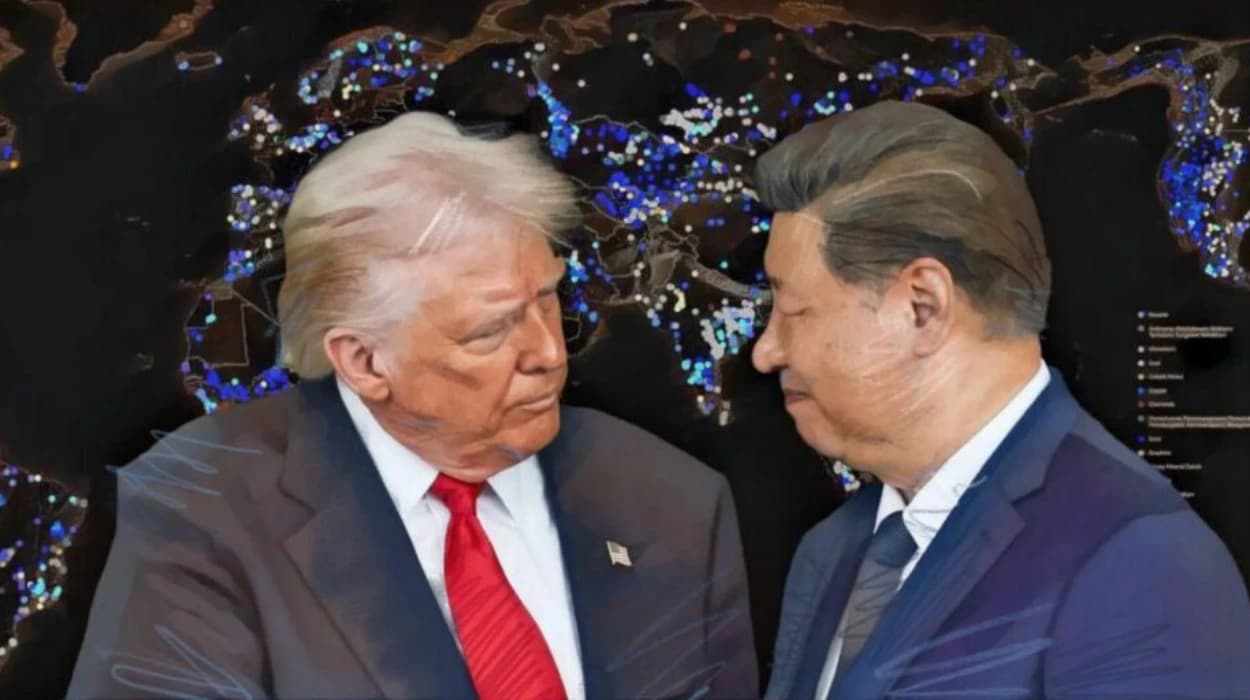
Kazakhstan’s President Kassym-Jomart Tokayev has positioned himself as a significant regional diplomatic intermediary by strengthening ties with both Russia’s Vladimir Putin and the United States under Donald Trump. His recent state visit to Moscow culminated in a comprehensive strategic partnership with Russia, while earlier interactions with Trump raised speculation about his role as a mediator in broader geopolitical tensions.
Tokayev’s Diplomatic Balancing Act
Kazakhstan’s President Kassym-Jomart Tokayev ended 2025 with a high-profile state visit to Moscow, where he met with Russian President Vladimir Putin. As reported by Arkady Dubnov in timesca.com, the two leaders signed a declaration that elevated bilateral relations to the level of a comprehensive strategic partnership and alliance. The meeting included an informal private conversation lasting over two-and-a-half hours at the Kremlin, signalling deep confidential discussions.
The 42-point agreement covers wide-ranging areas including politics, security, economic integration, advanced industries, and cultural cooperation. It highlights a mutual interest in strengthening security through multiple Eurasian organisations such as the Collective Security Treaty Organisation (CSTO), the Commonwealth of Independent States (CIS), and the Shanghai Cooperation Organisation (SCO), aiming to build a system of “equal and indivisible security” across the region.
Strengthening Ties with Russia
During the Moscow visit, Tokayev reaffirmed Kazakhstan’s alliance with Moscow, describing their relationship as both strategic and allied, with disputes resolved through direct efforts at the highest political levels. Putin echoed this sentiment, noting the value of regular personal meetings as a foundation for their strong bilateral dialogue. Earlier in the visit, Tokayev also engaged with Kazakh students and faculty at the Moscow State Institute of International Relations, demonstrating Kazakhstan’s growing educational and cultural links with Russia.
Russian Foreign Minister Sergey Lavrov notably did not participate in the talks, an absence that analysts viewed as emphasizing the exclusive and high-level nature of the discussions between Tokayev and Putin.
Economic and Security Cooperation
The strategic declaration signed during the visit also encompasses economic cooperation, notably in joint gas projects and adapting to sanctions-related challenges. Reuters highlighted the discussion of Russia's oil companies sanctioned recently by the United States and the implications for bilateral energy ventures between Kazakhstan and Russia. This dialogue reflects Kazakhstan’s role in mediating economic ties amidst broader geopolitical pressures.
Additionally, the parties have agreed to cooperate in biological security and combat readiness within the CSTO framework to address evolving regional security threats.
Tokayev’s Role as a Potential Diplomatic Mediator
Speculation about Tokayev’s emerging role as a diplomatic intermediary surfaced with his engagement with both the Kremlin and Washington. In early December 2025, Tokayev held a telephone conversation with then U.S.President-elect Donald Trump. According to information from the official residence Akorda and reported by timesca.com, the leaders discussed strengthening their strategic partnership, including trade, investment, and nuclear non-proliferation efforts. This contact feeds speculation that Tokayev might serve as a channel for dialogue amid tensions involving Russia, the United States, and the ongoing conflict in Ukraine.
Arkady Dubnov suggested that Kazakhstan, under Tokayev’s leadership, could become a platform for multilateral discussions involving figures like Trump, Putin, and Ukraine’s President Volodymyr Zelensky, or their representatives. This idea aligns with Kazakhstan’s foreign policy emphasis on multilateralism and conflict resolution through negotiation.
Recognition of Tokayev’s Growing International Stature
Andrew D’Anieri, associate director of the Atlantic Council’s Eurasia Center, told Radio Free Europe/Radio Liberty (RFE/RL) that Tokayev’s increased prominence following his summit with Trump provides him with enhanced leverage in talks with Putin. This reflects Tokayev's elevated diplomatic profile in dealings with global powers, as he navigates balancing Kazakhstan’s interests between East and West.
Kremlin spokesman Dmitry Peskov described the cooperation between Russia and Kazakhstan as very important, noting the trilateral collaboration involving Kazakhstan and Uzbekistan concerning gas supplies. Peskov also commented on Tokayev’s contacts with Trump as generating “great interest” in Moscow, highlighting how the Kremlin values Kazakhstan’s role in regional diplomacy.
Context of U.S.-Central Asia Engagement
Tokayev’s diplomacy must also be viewed in the context of broader U.S. engagement with Central Asia. The region’s five presidents, including Tokayev, participated in the C5+1 summit with the United States. Tokayev described this as
“the beginning of a new era of interaction between the United States and Central Asia,”
signalling an elevated role for the region in U.S. foreign policy and economic strategy.
Following his election, Trump’s outreach to regional middle powers such as Kazakhstan suggests a strategic approach aimed at building alliances with significant yet less dominant countries. This approach potentially forms a coalition to support his proposed reforms in global security architecture.
Kazakhstan’s President Kassym-Jomart Tokayev has thus emerged as a crucial regional powerbroker navigating complex geopolitical waters between Russian and American interests. His 2025 diplomacy, marked by a significant state visit to Moscow and diplomatic contacts with Donald Trump, highlights Kazakhstan’s growing role as an intermediary and stabilising factor within Eurasia. This strategic positioning underscores Tokayev’s vision of middle powers acting as constructive mediators in an increasingly turbulent international landscape.