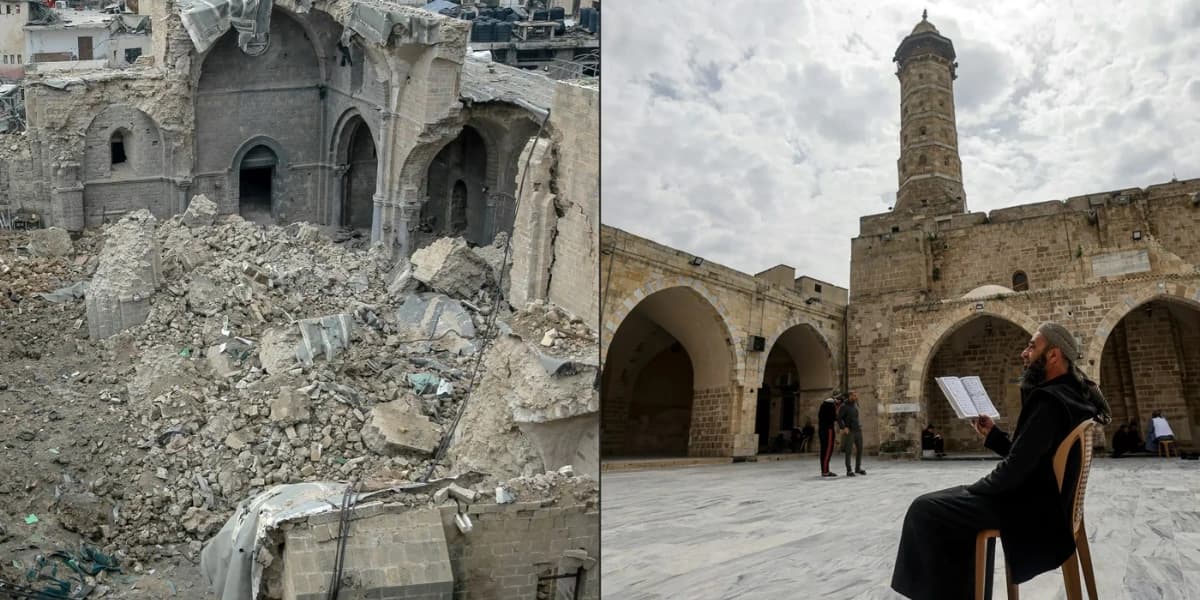
Palestine is a land rich in culture and history. From ancient cities and monuments to traditional music, crafts, and stories, its heritage is deep and diverse. In recent years, European countries and the European Union (EU) have become important partners in protecting and promoting this cultural heritage. These projects not only help to preserve old traditions and sites but also create new opportunities for local people.
This article explores how European cultural heritage projects in Palestine work, what they aim to achieve, and the challenges they face.
Why Heritage Matters in Palestine
Palestinian heritage includes both tangible elements like ancient buildings, artefacts, and historic sites, and intangible elements such as songs, crafts, and storytelling. Protecting this heritage is vital because:
It keeps alive the cultural identity and memory of the Palestinian people.
It supports local communities through tourism, crafts, and creative jobs.
It connects Palestine with international cultural networks.
It gives people a sense of pride, belonging, and hope, even in difficult times.
Because of limited local resources and the impact of conflict, European organisations and the EU play a major role by providing funds, training, and technical expertise to support this heritage work.
Important European-Supported Heritage Projects in Palestine
There are many European-funded projects in Palestine. Each one has a different focus — from preserving ancient sites to supporting creative industries and cultural tourism.
1. Protection of Palestinian Cultural Heritage in the Gaza Strip
In the Gaza Strip, a major project works to protect and promote Palestinian cultural heritage. It focuses on restoring historical buildings, training local craftsmen, and spreading awareness among residents about the importance of heritage.
One of the main sites under this project is the Saint Hilarion Monastery near Deir al-Balah, one of the oldest Christian monastic sites in the Middle East. Despite difficult conditions such as conflict and lack of resources, the project aims to safeguard these treasures and prepare them for future cultural tourism.
2. The “Mishkal” Grants for Performing Arts
The Mishkal Project is funded by the European Union and run in partnership with cultural organisations such as the British Council and the Goethe-Institut. It supports Palestinian artists, especially youth and women, to create performances that celebrate local traditions and stories.
This initiative funds theatre, music, dance, and spoken word performances inspired by Palestinian heritage. The goal is to build a sustainable creative industry, empower local artists, and connect traditional culture with modern forms of expression.
3. The CROSSDEV Project – Cultural Routes for Sustainable Development
The CROSSDEV Project, co-funded by the EU, works in several Mediterranean countries, including Palestine. One of its main activities in Palestine is the Palestinian Heritage Trail, a walking route that passes through historic villages and towns.
This trail highlights natural beauty, traditional lifestyles, and local crafts. Visitors can meet local families, taste homemade food, and stay in guesthouses. The project helps small communities earn income through tourism while encouraging the protection of their heritage and environment.
4. The MED-QUAD Project – Research for Cultural Heritage
The MED-QUAD Project is another EU-funded programme that supports innovation and research in the field of cultural heritage. It involves Palestinian universities and European partners working together to use technology for preserving and promoting heritage.
The project creates “living labs” where universities, local authorities, businesses, and community groups cooperate to develop digital tools, smart systems, and new ideas to protect and use cultural heritage. This project links tradition with technology and helps Palestinian youth engage with modern heritage management.
5. Italy–UNESCO–Palestine Agreement on Tell es-Sultan (Ancient Jericho)
In 2022, Italy signed an agreement with UNESCO and the Palestinian Ministry of Tourism and Antiquities to conserve and manage Tell es-Sultan, also known as ancient Jericho. This archaeological site is one of the oldest cities in the world.
The Italian government provided financial and technical support to improve conservation, build infrastructure, and promote sustainable tourism. The project not only protects a world-famous archaeological site but also creates jobs for local workers and boosts tourism.
What These Projects Achieve
European heritage projects in Palestine bring many benefits across different areas:
Conservation and Restoration: They protect historical monuments, ancient sites, and traditional crafts from damage and loss.
Training and Capacity Building: They teach local people conservation techniques, tourism skills, and cultural management.
Creative Industries: They help artists, musicians, and cultural workers to build careers through heritage-based creativity.
Community Empowerment: Local communities gain income from heritage tourism and craft-making, improving their quality of life.
Innovation and Technology: Projects like MED-QUAD bring digital tools and smart methods into heritage management.
Cultural Identity and Awareness: They raise global recognition of Palestinian culture and strengthen pride in local traditions.
Challenges in Preserving Heritage
Despite many positive results, European cultural projects in Palestine face several challenges:
Conflict and Instability: Many heritage sites are at risk of damage or destruction due to conflict and occupation.
Limited Funding: Even with European help, the need for restoration and protection is greater than available resources.
Sustainability: Some projects depend heavily on temporary grants, so long-term sustainability is uncertain.
Balancing International and Local Needs: It is important that projects respect local culture and involve community members in decision-making.
Preserving Intangible Heritage: Traditional songs, crafts, and oral histories are harder to protect than physical buildings.
Tourism Management: If tourism grows too fast, it may harm the environment or local culture.
Technological Gaps: Digital preservation requires good internet, training, and infrastructure, which are limited in some areas.
Why European Involvement Matters
European engagement in Palestinian cultural heritage is important for several reasons:
Expert Knowledge: European organisations bring decades of experience in museum work, archaeology, and conservation.
Global Networks: They connect Palestinian institutions with international experts and opportunities.
Cross-Border Cooperation: EU-funded projects often involve several countries, encouraging cultural exchange and understanding.
Economic Opportunities: Many heritage projects create jobs and promote small businesses linked to tourism and crafts.
Symbolic Value: European support sends a message of solidarity and recognition of Palestinian history and identity.
Future Opportunities
Looking to the future, European cultural projects in Palestine can continue to grow in several directions:
Support for Traditional Crafts: More investment in glass-blowing, pottery, and wood-carving can keep old skills alive.
Creative Business Development: Encouraging artists and entrepreneurs to turn cultural ideas into businesses can ensure sustainability.
Digital Heritage: Using 3D scanning, virtual tours, and online archives can preserve heritage for future generations.
Community-Led Projects: Empowering women, youth, and local communities to lead cultural projects ensures long-term impact.
Sustainable Heritage Tourism: Expanding projects like the Palestinian Heritage Trail can promote responsible tourism that benefits local families.
Emergency Protection: Creating plans for quick response to protect heritage during conflict or disasters is also vital.
Research and Education: Partnerships between Palestinian and European universities can strengthen cultural studies and digital archiving.
Heritage, Identity, and the Road Ahead
Palestine is a land rich in culture and history. From ancient cities and monuments to traditional music, crafts, and stories, its heritage is deep and diverse. In recent years, European countries and the European Union (EU) have become important partners in protecting and promoting this cultural heritage. These projects not only help to preserve old traditions and sites but also create new opportunities for local people.
This article explores how European cultural heritage projects in Palestine work, what they aim to achieve, and the challenges they face.
Why Heritage Matters in Palestine
Palestinian heritage includes both tangible elements like ancient buildings, artefacts, and historic sites, and intangible elements such as songs, crafts, and storytelling. Protecting this heritage is vital because:
It keeps alive the cultural identity and memory of the Palestinian people.
It supports local communities through tourism, crafts, and creative jobs.
It connects Palestine with international cultural networks.
It gives people a sense of pride, belonging, and hope, even in difficult times.
Because of limited local resources and the impact of conflict, European organisations and the EU play a major role by providing funds, training, and technical expertise to support this heritage work.
Important European-Supported Heritage Projects in Palestine
There are many European-funded projects in Palestine. Each one has a different focus — from preserving ancient sites to supporting creative industries and cultural tourism.
1. Protection of Palestinian Cultural Heritage in the Gaza Strip
In the Gaza Strip, a major project works to protect and promote Palestinian cultural heritage. It focuses on restoring historical buildings, training local craftsmen, and spreading awareness among residents about the importance of heritage.
One of the main sites under this project is the Saint Hilarion Monastery near Deir al-Balah, one of the oldest Christian monastic sites in the Middle East. Despite difficult conditions such as conflict and lack of resources, the project aims to safeguard these treasures and prepare them for future cultural tourism.
2. The “Mishkal” Grants for Performing Arts
The Mishkal Project is funded by the European Union and run in partnership with cultural organisations such as the British Council and the Goethe-Institut. It supports Palestinian artists, especially youth and women, to create performances that celebrate local traditions and stories.
This initiative funds theatre, music, dance, and spoken word performances inspired by Palestinian heritage. The goal is to build a sustainable creative industry, empower local artists, and connect traditional culture with modern forms of expression.
3. The CROSSDEV Project – Cultural Routes for Sustainable Development
The CROSSDEV Project, co-funded by the EU, works in several Mediterranean countries, including Palestine. One of its main activities in Palestine is the Palestinian Heritage Trail, a walking route that passes through historic villages and towns.
This trail highlights natural beauty, traditional lifestyles, and local crafts. Visitors can meet local families, taste homemade food, and stay in guesthouses. The project helps small communities earn income through tourism while encouraging the protection of their heritage and environment.
4. The MED-QUAD Project – Research for Cultural Heritage
The MED-QUAD Project is another EU-funded programme that supports innovation and research in the field of cultural heritage. It involves Palestinian universities and European partners working together to use technology for preserving and promoting heritage.
The project creates “living labs” where universities, local authorities, businesses, and community groups cooperate to develop digital tools, smart systems, and new ideas to protect and use cultural heritage. This project links tradition with technology and helps Palestinian youth engage with modern heritage management.
5. Italy–UNESCO–Palestine Agreement on Tell es-Sultan (Ancient Jericho)
In 2022, Italy signed an agreement with UNESCO and the Palestinian Ministry of Tourism and Antiquities to conserve and manage Tell es-Sultan, also known as ancient Jericho. This archaeological site is one of the oldest cities in the world.
The Italian government provided financial and technical support to improve conservation, build infrastructure, and promote sustainable tourism. The project not only protects a world-famous archaeological site but also creates jobs for local workers and boosts tourism.
What These Projects Achieve
European heritage projects in Palestine bring many benefits across different areas:
Conservation and Restoration: They protect historical monuments, ancient sites, and traditional crafts from damage and loss.
Training and Capacity Building: They teach local people conservation techniques, tourism skills, and cultural management.
Creative Industries: They help artists, musicians, and cultural workers to build careers through heritage-based creativity.
Community Empowerment: Local communities gain income from heritage tourism and craft-making, improving their quality of life.
Innovation and Technology: Projects like MED-QUAD bring digital tools and smart methods into heritage management.
Cultural Identity and Awareness: They raise global recognition of Palestinian culture and strengthen pride in local traditions.
Challenges in Preserving Heritage
Despite many positive results, European cultural projects in Palestine face several challenges:
Conflict and Instability: Many heritage sites are at risk of damage or destruction due to conflict and occupation.
Limited Funding: Even with European help, the need for restoration and protection is greater than available resources.
Sustainability: Some projects depend heavily on temporary grants, so long-term sustainability is uncertain.
Balancing International and Local Needs: It is important that projects respect local culture and involve community members in decision-making.
Preserving Intangible Heritage: Traditional songs, crafts, and oral histories are harder to protect than physical buildings.
Tourism Management: If tourism grows too fast, it may harm the environment or local culture.
Technological Gaps: Digital preservation requires good internet, training, and infrastructure, which are limited in some areas.
Why European Involvement Matters
European engagement in Palestinian cultural heritage is important for several reasons:
Expert Knowledge: European organisations bring decades of experience in museum work, archaeology, and conservation.
Global Networks: They connect Palestinian institutions with international experts and opportunities.
Cross-Border Cooperation: EU-funded projects often involve several countries, encouraging cultural exchange and understanding.
Economic Opportunities: Many heritage projects create jobs and promote small businesses linked to tourism and crafts.
Symbolic Value: European support sends a message of solidarity and recognition of Palestinian history and identity.
Future Opportunities
Looking to the future, European cultural projects in Palestine can continue to grow in several directions:
Support for Traditional Crafts: More investment in glass-blowing, pottery, and wood-carving can keep old skills alive.
Creative Business Development: Encouraging artists and entrepreneurs to turn cultural ideas into businesses can ensure sustainability.
Digital Heritage: Using 3D scanning, virtual tours, and online archives can preserve heritage for future generations.
Community-Led Projects: Empowering women, youth, and local communities to lead cultural projects ensures long-term impact.
Sustainable Heritage Tourism: Expanding projects like the Palestinian Heritage Trail can promote responsible tourism that benefits local families.
Emergency Protection: Creating plans for quick response to protect heritage during conflict or disasters is also vital.
Research and Education: Partnerships between Palestinian and European universities can strengthen cultural studies and digital archiving.
Heritage, Identity, and the Road Ahead
European cultural heritage projects in Palestine play a crucial role in preserving history, promoting art, and supporting communities. They combine conservation with creativity, blending old traditions with modern innovation. From protecting ancient archaeological sites to empowering young artists and women, these initiatives are helping Palestine protect its past and build a more sustainable cultural future.
Palestine is a land rich in culture and history. From ancient cities and monuments to traditional music, crafts, and stories, its heritage is deep and diverse. In recent years, European countries and the European Union (EU) have become important partners in protecting and promoting this cultural heritage. These projects not only help to preserve old traditions and sites but also create new opportunities for local people.
This article explores how European cultural heritage projects in Palestine work, what they aim to achieve, and the challenges they face.
Why Heritage Matters in Palestine
Palestinian heritage includes both tangible elements like ancient buildings, artefacts, and historic sites, and intangible elements such as songs, crafts, and storytelling. Protecting this heritage is vital because:
It keeps alive the cultural identity and memory of the Palestinian people.
It supports local communities through tourism, crafts, and creative jobs.
It connects Palestine with international cultural networks.
It gives people a sense of pride, belonging, and hope, even in difficult times.
Because of limited local resources and the impact of conflict, European organisations and the EU play a major role by providing funds, training, and technical expertise to support this heritage work.
Important European-Supported Heritage Projects in Palestine
There are many European-funded projects in Palestine. Each one has a different focus — from preserving ancient sites to supporting creative industries and cultural tourism.
1. Protection of Palestinian Cultural Heritage in the Gaza Strip
In the Gaza Strip, a major project works to protect and promote Palestinian cultural heritage. It focuses on restoring historical buildings, training local craftsmen, and spreading awareness among residents about the importance of heritage.
One of the main sites under this project is the Saint Hilarion Monastery near Deir al-Balah, one of the oldest Christian monastic sites in the Middle East. Despite difficult conditions such as conflict and lack of resources, the project aims to safeguard these treasures and prepare them for future cultural tourism.
2. The “Mishkal” Grants for Performing Arts
The Mishkal Project is funded by the European Union and run in partnership with cultural organisations such as the British Council and the Goethe-Institut. It supports Palestinian artists, especially youth and women, to create performances that celebrate local traditions and stories.
This initiative funds theatre, music, dance, and spoken word performances inspired by Palestinian heritage. The goal is to build a sustainable creative industry, empower local artists, and connect traditional culture with modern forms of expression.
3. The CROSSDEV Project – Cultural Routes for Sustainable Development
The CROSSDEV Project, co-funded by the EU, works in several Mediterranean countries, including Palestine. One of its main activities in Palestine is the Palestinian Heritage Trail, a walking route that passes through historic villages and towns.
This trail highlights natural beauty, traditional lifestyles, and local crafts. Visitors can meet local families, taste homemade food, and stay in guesthouses. The project helps small communities earn income through tourism while encouraging the protection of their heritage and environment.
4. The MED-QUAD Project – Research for Cultural Heritage
The MED-QUAD Project is another EU-funded programme that supports innovation and research in the field of cultural heritage. It involves Palestinian universities and European partners working together to use technology for preserving and promoting heritage.
The project creates “living labs” where universities, local authorities, businesses, and community groups cooperate to develop digital tools, smart systems, and new ideas to protect and use cultural heritage. This project links tradition with technology and helps Palestinian youth engage with modern heritage management.
5. Italy–UNESCO–Palestine Agreement on Tell es-Sultan (Ancient Jericho)
In 2022, Italy signed an agreement with UNESCO and the Palestinian Ministry of Tourism and Antiquities to conserve and manage Tell es-Sultan, also known as ancient Jericho. This archaeological site is one of the oldest cities in the world.
The Italian government provided financial and technical support to improve conservation, build infrastructure, and promote sustainable tourism. The project not only protects a world-famous archaeological site but also creates jobs for local workers and boosts tourism.
What These Projects Achieve
European heritage projects in Palestine bring many benefits across different areas:
Conservation and Restoration: They protect historical monuments, ancient sites, and traditional crafts from damage and loss.
Training and Capacity Building: They teach local people conservation techniques, tourism skills, and cultural management.
Creative Industries: They help artists, musicians, and cultural workers to build careers through heritage-based creativity.
Community Empowerment: Local communities gain income from heritage tourism and craft-making, improving their quality of life.
Innovation and Technology: Projects like MED-QUAD bring digital tools and smart methods into heritage management.
Cultural Identity and Awareness: They raise global recognition of Palestinian culture and strengthen pride in local traditions.
Challenges in Preserving Heritage
Despite many positive results, European cultural projects in Palestine face several challenges:
Conflict and Instability: Many heritage sites are at risk of damage or destruction due to conflict and occupation.
Limited Funding: Even with European help, the need for restoration and protection is greater than available resources.
Sustainability: Some projects depend heavily on temporary grants, so long-term sustainability is uncertain.
Balancing International and Local Needs: It is important that projects respect local culture and involve community members in decision-making.
Preserving Intangible Heritage: Traditional songs, crafts, and oral histories are harder to protect than physical buildings.
Tourism Management: If tourism grows too fast, it may harm the environment or local culture.
Technological Gaps: Digital preservation requires good internet, training, and infrastructure, which are limited in some areas.
Why European Involvement Matters
European engagement in Palestinian cultural heritage is important for several reasons:
Expert Knowledge: European organisations bring decades of experience in museum work, archaeology, and conservation.
Global Networks: They connect Palestinian institutions with international experts and opportunities.
Cross-Border Cooperation: EU-funded projects often involve several countries, encouraging cultural exchange and understanding.
Economic Opportunities: Many heritage projects create jobs and promote small businesses linked to tourism and crafts.
Symbolic Value: European support sends a message of solidarity and recognition of Palestinian history and identity.
Future Opportunities
Looking to the future, European cultural projects in Palestine can continue to grow in several directions:
Support for Traditional Crafts: More investment in glass-blowing, pottery, and wood-carving can keep old skills alive.
Creative Business Development: Encouraging artists and entrepreneurs to turn cultural ideas into businesses can ensure sustainability.
Digital Heritage: Using 3D scanning, virtual tours, and online archives can preserve heritage for future generations.
Community-Led Projects: Empowering women, youth, and local communities to lead cultural projects ensures long-term impact.
Sustainable Heritage Tourism: Expanding projects like the Palestinian Heritage Trail can promote responsible tourism that benefits local families.
Emergency Protection: Creating plans for quick response to protect heritage during conflict or disasters is also vital.
Research and Education: Partnerships between Palestinian and European universities can strengthen cultural studies and digital archiving.
Heritage, Identity, and the Road Ahead
European cultural heritage projects in Palestine play a crucial role in preserving history, promoting art, and supporting communities. They combine conservation with creativity, blending old traditions with modern innovation. From protecting ancient archaeological sites to empowering young artists and women, these Pro Palestine initiatives are helping Palestine protect its past and build a more sustainable cultural future.
Palestine is a land rich in culture and history. From ancient cities and monuments to traditional music, crafts, and stories, its heritage is deep and diverse. In recent years, European countries and the European Union (EU) have become important partners in protecting and promoting this cultural heritage. These projects not only help to preserve old traditions and sites but also create new opportunities for local people.
This article explores how European cultural heritage projects in Palestine work, what they aim to achieve, and the challenges they face.
Why Heritage Matters in Palestine
Palestinian heritage includes both tangible elements like ancient buildings, artefacts, and historic sites, and intangible elements such as songs, crafts, and storytelling. Protecting this heritage is vital because:
It keeps alive the cultural identity and memory of the Palestinian people.
It supports local communities through tourism, crafts, and creative jobs.
It connects Palestine with international cultural networks.
It gives people a sense of pride, belonging, and hope, even in difficult times.
Because of limited local resources and the impact of conflict, European organisations and the EU play a major role by providing funds, training, and technical expertise to support this heritage work.
Important European-Supported Heritage Projects in Palestine
There are many European-funded projects in Palestine. Each one has a different focus — from preserving ancient sites to supporting creative industries and cultural tourism.
1. Protection of Palestinian Cultural Heritage in the Gaza Strip
In the Gaza Strip, a major project works to protect and promote Palestinian cultural heritage. It focuses on restoring historical buildings, training local craftsmen, and spreading awareness among residents about the importance of heritage.
One of the main sites under this project is the Saint Hilarion Monastery near Deir al-Balah, one of the oldest Christian monastic sites in the Middle East. Despite difficult conditions such as conflict and lack of resources, the project aims to safeguard these treasures and prepare them for future cultural tourism.
2. The “Mishkal” Grants for Performing Arts
The Mishkal Project is funded by the European Union and run in partnership with cultural organisations such as the British Council and the Goethe-Institut. It supports Palestinian artists, especially youth and women, to create performances that celebrate local traditions and stories.
This initiative funds theatre, music, dance, and spoken word performances inspired by Palestinian heritage. The goal is to build a sustainable creative industry, empower local artists, and connect traditional culture with modern forms of expression.
3. The CROSSDEV Project – Cultural Routes for Sustainable Development
The CROSSDEV Project, co-funded by the EU, works in several Mediterranean countries, including Palestine. One of its main activities in Palestine is the Palestinian Heritage Trail, a walking route that passes through historic villages and towns.
This trail highlights natural beauty, traditional lifestyles, and local crafts. Visitors can meet local families, taste homemade food, and stay in guesthouses. The project helps small communities earn income through tourism while encouraging the protection of their heritage and environment.
4. The MED-QUAD Project – Research for Cultural Heritage
The MED-QUAD Project is another EU-funded programme that supports innovation and research in the field of cultural heritage. It involves Palestinian universities and European partners working together to use technology for preserving and promoting heritage.
The project creates “living labs” where universities, local authorities, businesses, and community groups cooperate to develop digital tools, smart systems, and new ideas to protect and use cultural heritage. This project links tradition with technology and helps Palestinian youth engage with modern heritage management.
5. Italy–UNESCO–Palestine Agreement on Tell es-Sultan (Ancient Jericho)
In 2022, Italy signed an agreement with UNESCO and the Palestinian Ministry of Tourism and Antiquities to conserve and manage Tell es-Sultan, also known as ancient Jericho. This archaeological site is one of the oldest cities in the world.
The Italian government provided financial and technical support to improve conservation, build infrastructure, and promote sustainable tourism. The project not only protects a world-famous archaeological site but also creates jobs for local workers and boosts tourism.
What These Projects Achieve
European heritage projects in Palestine bring many benefits across different areas:
Conservation and Restoration: They protect historical monuments, ancient sites, and traditional crafts from damage and loss.
Training and Capacity Building: They teach local people conservation techniques, tourism skills, and cultural management.
Creative Industries: They help artists, musicians, and cultural workers to build careers through heritage-based creativity.
Community Empowerment: Local communities gain income from heritage tourism and craft-making, improving their quality of life.
Innovation and Technology: Projects like MED-QUAD bring digital tools and smart methods into heritage management.
Cultural Identity and Awareness: They raise global recognition of Palestinian culture and strengthen pride in local traditions.
Challenges in Preserving Heritage
Despite many positive results, European cultural projects in Palestine face several challenges:
Conflict and Instability: Many heritage sites are at risk of damage or destruction due to conflict and occupation.
Limited Funding: Even with European help, the need for restoration and protection is greater than available resources.
Sustainability: Some projects depend heavily on temporary grants, so long-term sustainability is uncertain.
Balancing International and Local Needs: It is important that projects respect local culture and involve community members in decision-making.
Preserving Intangible Heritage: Traditional songs, crafts, and oral histories are harder to protect than physical buildings.
Tourism Management: If tourism grows too fast, it may harm the environment or local culture.
Technological Gaps: Digital preservation requires good internet, training, and infrastructure, which are limited in some areas.
Why European Involvement Matters
European engagement in Palestinian cultural heritage is important for several reasons:
Expert Knowledge: European organisations bring decades of experience in museum work, archaeology, and conservation.
Global Networks: They connect Palestinian institutions with international experts and opportunities.
Cross-Border Cooperation: EU-funded projects often involve several countries, encouraging cultural exchange and understanding.
Economic Opportunities: Many heritage projects create jobs and promote small businesses linked to tourism and crafts.
Symbolic Value: European support sends a message of solidarity and recognition of Palestinian history and identity.
Future Opportunities
Looking to the future, European cultural projects in Palestine can continue to grow in several directions:
Support for Traditional Crafts: More investment in glass-blowing, pottery, and wood-carving can keep old skills alive.
Creative Business Development: Encouraging artists and entrepreneurs to turn cultural ideas into businesses can ensure sustainability.
Digital Heritage: Using 3D scanning, virtual tours, and online archives can preserve heritage for future generations.
Community-Led Projects: Empowering women, youth, and local communities to lead cultural projects ensures long-term impact.
Sustainable Heritage Tourism: Expanding projects like the Palestinian Heritage Trail can promote responsible tourism that benefits local families.
Emergency Protection: Creating plans for quick response to protect heritage during conflict or disasters is also vital.
Research and Education: Partnerships between Palestinian and European universities can strengthen cultural studies and digital archiving.
Heritage, Identity, and the Road Ahead
European cultural heritage projects in Palestine play a crucial role in preserving history, promoting art, and supporting communities. They combine conservation with creativity, blending old traditions with modern innovation. From protecting ancient archaeological sites to empowering young artists and women, these initiatives are helping Palestine protect its past and build a more sustainable cultural future.
Palestine is a land rich in culture and history. From ancient cities and monuments to traditional music, crafts, and stories, its heritage is deep and diverse. In recent years, European countries and the European Union (EU) have become important partners in protecting and promoting this cultural heritage. These projects not only help to preserve old traditions and sites but also create new opportunities for local people.
This article explores how European cultural heritage projects in Palestine work, what they aim to achieve, and the challenges they face.
Why Heritage Matters in Palestine
Palestinian heritage includes both tangible elements like ancient buildings, artefacts, and historic sites, and intangible elements such as songs, crafts, and storytelling. Protecting this heritage is vital because:
It keeps alive the cultural identity and memory of the Palestinian people.
It supports local communities through tourism, crafts, and creative jobs.
It connects Palestine with international cultural networks.
It gives people a sense of pride, belonging, and hope, even in difficult times.
Because of limited local resources and the impact of conflict, European organisations and the EU play a major role by providing funds, training, and technical expertise to support this heritage work.
Important European-Supported Heritage Projects in Palestine
There are many European-funded projects in Palestine. Each one has a different focus — from preserving ancient sites to supporting creative industries and cultural tourism.
1. Protection of Palestinian Cultural Heritage in the Gaza Strip
In the Gaza Strip, a major project works to protect and promote Palestinian cultural heritage. It focuses on restoring historical buildings, training local craftsmen, and spreading awareness among residents about the importance of heritage.
One of the main sites under this project is the Saint Hilarion Monastery near Deir al-Balah, one of the oldest Christian monastic sites in the Middle East. Despite difficult conditions such as conflict and lack of resources, the project aims to safeguard these treasures and prepare them for future cultural tourism.
2. The “Mishkal” Grants for Performing Arts
The Mishkal Project is funded by the European Union and run in partnership with cultural organisations such as the British Council and the Goethe-Institut. It supports Palestinian artists, especially youth and women, to create performances that celebrate local traditions and stories.
This initiative funds theatre, music, dance, and spoken word performances inspired by Palestinian heritage. The goal is to build a sustainable creative industry, empower local artists, and connect traditional culture with modern forms of expression.
3. The CROSSDEV Project – Cultural Routes for Sustainable Development
The CROSSDEV Project, co-funded by the EU, works in several Mediterranean countries, including Palestine. One of its main activities in Palestine is the Palestinian Heritage Trail, a walking route that passes through historic villages and towns.
This trail highlights natural beauty, traditional lifestyles, and local crafts. Visitors can meet local families, taste homemade food, and stay in guesthouses. The project helps small communities earn income through tourism while encouraging the protection of their heritage and environment.
4. The MED-QUAD Project – Research for Cultural Heritage
The MED-QUAD Project is another EU-funded programme that supports innovation and research in the field of cultural heritage. It involves Palestinian universities and European partners working together to use technology for preserving and promoting heritage.
The project creates “living labs” where universities, local authorities, businesses, and community groups cooperate to develop digital tools, smart systems, and new ideas to protect and use cultural heritage. This project links tradition with technology and helps Palestinian youth engage with modern heritage management.
5. Italy–UNESCO–Palestine Agreement on Tell es-Sultan (Ancient Jericho)
In 2022, Italy signed an agreement with UNESCO and the Palestinian Ministry of Tourism and Antiquities to conserve and manage Tell es-Sultan, also known as ancient Jericho. This archaeological site is one of the oldest cities in the world.
The Italian government provided financial and technical support to improve conservation, build infrastructure, and promote sustainable tourism. The project not only protects a world-famous archaeological site but also creates jobs for local workers and boosts tourism.
What These Projects Achieve
European heritage projects in Palestine bring many benefits across different areas:
Conservation and Restoration: They protect historical monuments, ancient sites, and traditional crafts from damage and loss.
Training and Capacity Building: They teach local people conservation techniques, tourism skills, and cultural management.
Creative Industries: They help artists, musicians, and cultural workers to build careers through heritage-based creativity.
Community Empowerment: Local communities gain income from heritage tourism and craft-making, improving their quality of life.
Innovation and Technology: Projects like MED-QUAD bring digital tools and smart methods into heritage management.
Cultural Identity and Awareness: They raise global recognition of Palestinian culture and strengthen pride in local traditions.
Challenges in Preserving Heritage
Despite many positive results, European cultural projects in Palestine face several challenges:
Conflict and Instability: Many heritage sites are at risk of damage or destruction due to conflict and occupation.
Limited Funding: Even with European help, the need for restoration and protection is greater than available resources.
Sustainability: Some projects depend heavily on temporary grants, so long-term sustainability is uncertain.
Balancing International and Local Needs: It is important that projects respect local culture and involve community members in decision-making.
Preserving Intangible Heritage: Traditional songs, crafts, and oral histories are harder to protect than physical buildings.
Tourism Management: If tourism grows too fast, it may harm the environment or local culture.
Technological Gaps: Digital preservation requires good internet, training, and infrastructure, which are limited in some areas.
Why European Involvement Matters
European engagement in Palestinian cultural heritage is important for several reasons:
Expert Knowledge: European organisations bring decades of experience in museum work, archaeology, and conservation.
Global Networks: They connect Palestinian institutions with international experts and opportunities.
Cross-Border Cooperation: EU-funded projects often involve several countries, encouraging cultural exchange and understanding.
Economic Opportunities: Many heritage projects create jobs and promote small businesses linked to tourism and crafts.
Symbolic Value: European support sends a message of solidarity and recognition of Palestinian history and identity.
Future Opportunities
Looking to the future, European cultural projects in Palestine can continue to grow in several directions:
Support for Traditional Crafts: More investment in glass-blowing, pottery, and wood-carving can keep old skills alive.
Creative Business Development: Encouraging artists and entrepreneurs to turn cultural ideas into businesses can ensure sustainability.
Digital Heritage: Using 3D scanning, virtual tours, and online archives can preserve heritage for future generations.
Community-Led Projects: Empowering women, youth, and local communities to lead cultural projects ensures long-term impact.
Sustainable Heritage Tourism: Expanding projects like the Palestinian Heritage Trail can promote responsible tourism that benefits local families.
Emergency Protection: Creating plans for quick response to protect heritage during conflict or disasters is also vital.
Research and Education: Partnerships between Palestinian and European universities can strengthen cultural studies and digital archiving.
Heritage, Identity, and the Road Ahead
European cultural heritage projects in Palestine play a crucial role in preserving history, promoting art, and supporting communities. They combine conservation with creativity, blending old traditions with modern innovation. From protecting ancient archaeological sites to empowering young artists and women, these initiatives are helping Palestine protect its past and build a more sustainable cultural future.
Palestine is a land rich in culture and history. From ancient cities and monuments to traditional music, crafts, and stories, its heritage is deep and diverse. In recent years, European countries and the European Union (EU) have become important partners in protecting and promoting this cultural heritage. These projects not only help to preserve old traditions and sites but also create new opportunities for local people.
This article explores how European cultural heritage projects in Palestine work, what they aim to achieve, and the challenges they face.
Why Heritage Matters in Palestine
Palestinian heritage includes both tangible elements like ancient buildings, artefacts, and historic sites, and intangible elements such as songs, crafts, and storytelling. Protecting this heritage is vital because:
It keeps alive the cultural identity and memory of the Palestinian people.
It supports local communities through tourism, crafts, and creative jobs.
It connects Palestine with international cultural networks.
It gives people a sense of pride, belonging, and hope, even in difficult times.
Because of limited local resources and the impact of conflict, European organisations and the EU play a major role by providing funds, training, and technical expertise to support this heritage work.
Important European-Supported Heritage Projects in Palestine
There are many European-funded projects in Palestine. Each one has a different focus — from preserving ancient sites to supporting creative industries and cultural tourism.
1. Protection of Palestinian Cultural Heritage in the Gaza Strip
In the Gaza Strip, a major project works to protect and promote Palestinian cultural heritage. It focuses on restoring historical buildings, training local craftsmen, and spreading awareness among residents about the importance of heritage.
One of the main sites under this project is the Saint Hilarion Monastery near Deir al-Balah, one of the oldest Christian monastic sites in the Middle East. Despite difficult conditions such as conflict and lack of resources, the project aims to safeguard these treasures and prepare them for future cultural tourism.
2. The “Mishkal” Grants for Performing Arts
The Mishkal Project is funded by the European Union and run in partnership with cultural organisations such as the British Council and the Goethe-Institut. It supports Palestinian artists, especially youth and women, to create performances that celebrate local traditions and stories.
This initiative funds theatre, music, dance, and spoken word performances inspired by Palestinian heritage. The goal is to build a sustainable creative industry, empower local artists, and connect traditional culture with modern forms of expression.
3. The CROSSDEV Project – Cultural Routes for Sustainable Development
The CROSSDEV Project, co-funded by the EU, works in several Mediterranean countries, including Palestine. One of its main activities in Palestine is the Palestinian Heritage Trail, a walking route that passes through historic villages and towns.
This trail highlights natural beauty, traditional lifestyles, and local crafts. Visitors can meet local families, taste homemade food, and stay in guesthouses. The project helps small communities earn income through tourism while encouraging the protection of their heritage and environment.
4. The MED-QUAD Project – Research for Cultural Heritage
The MED-QUAD Project is another EU-funded programme that supports innovation and research in the field of cultural heritage. It involves Palestinian universities and European partners working together to use technology for preserving and promoting heritage.
The project creates “living labs” where universities, local authorities, businesses, and community groups cooperate to develop digital tools, smart systems, and new ideas to protect and use cultural heritage. This project links tradition with technology and helps Palestinian youth engage with modern heritage management.
5. Italy–UNESCO–Palestine Agreement on Tell es-Sultan (Ancient Jericho)
In 2022, Italy signed an agreement with UNESCO and the Palestinian Ministry of Tourism and Antiquities to conserve and manage Tell es-Sultan, also known as ancient Jericho. This archaeological site is one of the oldest cities in the world.
The Italian government provided financial and technical support to improve conservation, build infrastructure, and promote sustainable tourism. The project not only protects a world-famous archaeological site but also creates jobs for local workers and boosts tourism.
What These Projects Achieve
European heritage projects in Palestine bring many benefits across different areas:
Conservation and Restoration: They protect historical monuments, ancient sites, and traditional crafts from damage and loss.
Training and Capacity Building: They teach local people conservation techniques, tourism skills, and cultural management.
Creative Industries: They help artists, musicians, and cultural workers to build careers through heritage-based creativity.
Community Empowerment: Local communities gain income from heritage tourism and craft-making, improving their quality of life.
Innovation and Technology: Projects like MED-QUAD bring digital tools and smart methods into heritage management.
Cultural Identity and Awareness: They raise global recognition of Palestinian culture and strengthen pride in local traditions.
Challenges in Preserving Heritage
Despite many positive results, European cultural projects in Palestine face several challenges:
Conflict and Instability: Many heritage sites are at risk of damage or destruction due to conflict and occupation.
Limited Funding: Even with European help, the need for restoration and protection is greater than available resources.
Sustainability: Some projects depend heavily on temporary grants, so long-term sustainability is uncertain.
Balancing International and Local Needs: It is important that projects respect local culture and involve community members in decision-making.
Preserving Intangible Heritage: Traditional songs, crafts, and oral histories are harder to protect than physical buildings.
Tourism Management: If tourism grows too fast, it may harm the environment or local culture.
Technological Gaps: Digital preservation requires good internet, training, and infrastructure, which are limited in some areas.
Why European Involvement Matters
European engagement in Palestinian cultural heritage is important for several reasons:
Expert Knowledge: European organisations bring decades of experience in museum work, archaeology, and conservation.
Global Networks: They connect Palestinian institutions with international experts and opportunities.
Cross-Border Cooperation: EU-funded projects often involve several countries, encouraging cultural exchange and understanding.
Economic Opportunities: Many heritage projects create jobs and promote small businesses linked to tourism and crafts.
Symbolic Value: European support sends a message of solidarity and recognition of Palestinian history and identity.
Future Opportunities
Looking to the future, European cultural projects in Palestine can continue to grow in several directions:
Support for Traditional Crafts: More investment in glass-blowing, pottery, and wood-carving can keep old skills alive.
Creative Business Development: Encouraging artists and entrepreneurs to turn cultural ideas into businesses can ensure sustainability.
Digital Heritage: Using 3D scanning, virtual tours, and online archives can preserve heritage for future generations.
Community-Led Projects: Empowering women, youth, and local communities to lead cultural projects ensures long-term impact.
Sustainable Heritage Tourism: Expanding projects like the Palestinian Heritage Trail can promote responsible tourism that benefits local families.
Emergency Protection: Creating plans for quick response to protect heritage during conflict or disasters is also vital.
Research and Education: Partnerships between Palestinian and European universities can strengthen cultural studies and digital archiving.
Heritage, Identity, and the Road Ahead
European cultural heritage projects in Palestine play a crucial role in preserving history, promoting art, and supporting communities. They combine conservation with creativity, blending old traditions with modern innovation. From protecting ancient archaeological sites to empowering young artists and women, these initiatives are helping Palestine protect its past and build a more sustainable cultural future.
Palestine is a land rich in culture and history. From ancient cities and monuments to traditional music, crafts, and stories, its heritage is deep and diverse. In recent years, European countries and the European Union (EU) have become important partners in protecting and promoting this cultural heritage. These projects not only help to preserve old traditions and sites but also create new opportunities for local people.
This article explores how European cultural heritage projects in Palestine work, what they aim to achieve, and the challenges they face.
Why Heritage Matters in Palestine
Palestinian heritage includes both tangible elements like ancient buildings, artefacts, and historic sites, and intangible elements such as songs, crafts, and storytelling. Protecting this heritage is vital because:
It keeps alive the cultural identity and memory of the Palestinian people.
It supports local communities through tourism, crafts, and creative jobs.
It connects Palestine with international cultural networks.
It gives people a sense of pride, belonging, and hope, even in difficult times.
Because of limited local resources and the impact of conflict, European organisations and the EU play a major role by providing funds, training, and technical expertise to support this heritage work.
Important European-Supported Heritage Projects in Palestine
There are many European-funded projects in Palestine. Each one has a different focus — from preserving ancient sites to supporting creative industries and cultural tourism.
1. Protection of Palestinian Cultural Heritage in the Gaza Strip
In the Gaza Strip, a major project works to protect and promote Palestinian cultural heritage. It focuses on restoring historical buildings, training local craftsmen, and spreading awareness among residents about the importance of heritage.
One of the main sites under this project is the Saint Hilarion Monastery near Deir al-Balah, one of the oldest Christian monastic sites in the Middle East. Despite difficult conditions such as conflict and lack of resources, the project aims to safeguard these treasures and prepare them for future cultural tourism.
2. The “Mishkal” Grants for Performing Arts
The Mishkal Project is funded by the European Union and run in partnership with cultural organisations such as the British Council and the Goethe-Institut. It supports Palestinian artists, especially youth and women, to create performances that celebrate local traditions and stories.
This initiative funds theatre, music, dance, and spoken word performances inspired by Palestinian heritage. The goal is to build a sustainable creative industry, empower local artists, and connect traditional culture with modern forms of expression.
3. The CROSSDEV Project – Cultural Routes for Sustainable Development
The CROSSDEV Project, co-funded by the EU, works in several Mediterranean countries, including Palestine. One of its main activities in Palestine is the Palestinian Heritage Trail, a walking route that passes through historic villages and towns.
This trail highlights natural beauty, traditional lifestyles, and local crafts. Visitors can meet local families, taste homemade food, and stay in guesthouses. The project helps small communities earn income through tourism while encouraging the protection of their heritage and environment.
4. The MED-QUAD Project – Research for Cultural Heritage
The MED-QUAD Project is another EU-funded programme that supports innovation and research in the field of cultural heritage. It involves Palestinian universities and European partners working together to use technology for preserving and promoting heritage.
The project creates “living labs” where universities, local authorities, businesses, and community groups cooperate to develop digital tools, smart systems, and new ideas to protect and use cultural heritage. This project links tradition with technology and helps Palestinian youth engage with modern heritage management.
5. Italy–UNESCO–Palestine Agreement on Tell es-Sultan (Ancient Jericho)
In 2022, Italy signed an agreement with UNESCO and the Palestinian Ministry of Tourism and Antiquities to conserve and manage Tell es-Sultan, also known as ancient Jericho. This archaeological site is one of the oldest cities in the world.
The Italian government provided financial and technical support to improve conservation, build infrastructure, and promote sustainable tourism. The project not only protects a world-famous archaeological site but also creates jobs for local workers and boosts tourism.
What These Projects Achieve
European heritage projects in Palestine bring many benefits across different areas:
Conservation and Restoration: They protect historical monuments, ancient sites, and traditional crafts from damage and loss.
Training and Capacity Building: They teach local people conservation techniques, tourism skills, and cultural management.
Creative Industries: They help artists, musicians, and cultural workers to build careers through heritage-based creativity.
Community Empowerment: Local communities gain income from heritage tourism and craft-making, improving their quality of life.
Innovation and Technology: Projects like MED-QUAD bring digital tools and smart methods into heritage management.
Cultural Identity and Awareness: They raise global recognition of Palestinian culture and strengthen pride in local traditions.
Challenges in Preserving Heritage
Despite many positive results, European cultural projects in Palestine face several challenges:
Conflict and Instability: Many heritage sites are at risk of damage or destruction due to conflict and occupation.
Limited Funding: Even with European help, the need for restoration and protection is greater than available resources.
Sustainability: Some projects depend heavily on temporary grants, so long-term sustainability is uncertain.
Balancing International and Local Needs: It is important that projects respect local culture and involve community members in decision-making.
Preserving Intangible Heritage: Traditional songs, crafts, and oral histories are harder to protect than physical buildings.
Tourism Management: If tourism grows too fast, it may harm the environment or local culture.
Technological Gaps: Digital preservation requires good internet, training, and infrastructure, which are limited in some areas.
Why European Involvement Matters
European engagement in Palestinian cultural heritage is important for several reasons:
Expert Knowledge: European organisations bring decades of experience in museum work, archaeology, and conservation.
Global Networks: They connect Palestinian institutions with international experts and opportunities.
Cross-Border Cooperation: EU-funded projects often involve several countries, encouraging cultural exchange and understanding.
Economic Opportunities: Many heritage projects create jobs and promote small businesses linked to tourism and crafts.
Symbolic Value: European support sends a message of solidarity and recognition of Palestinian history and identity.
Future Opportunities
Looking to the future, European cultural projects in Palestine can continue to grow in several directions:
Support for Traditional Crafts: More investment in glass-blowing, pottery, and wood-carving can keep old skills alive.
Creative Business Development: Encouraging artists and entrepreneurs to turn cultural ideas into businesses can ensure sustainability.
Digital Heritage: Using 3D scanning, virtual tours, and online archives can preserve heritage for future generations.
Community-Led Projects: Empowering women, youth, and local communities to lead cultural projects ensures long-term impact.
Sustainable Heritage Tourism: Expanding projects like the Palestinian Heritage Trail can promote responsible tourism that benefits local families.
Emergency Protection: Creating plans for quick response to protect heritage during conflict or disasters is also vital.
Research and Education: Partnerships between Palestinian and European universities can strengthen cultural studies and digital archiving.
Heritage, Identity, and the Road Ahead
European cultural heritage projects in Palestine play a crucial role in preserving history, promoting art, and supporting communities. They combine conservation with creativity, blending old traditions with modern innovation. From protecting ancient archaeological sites to empowering young artists and women, these initiatives are helping Palestine protect its past and build a more sustainable cultural future.
Palestine is a land rich in culture and history. From ancient cities and monuments to traditional music, crafts, and stories, its heritage is deep and diverse. In recent years, European countries and the European Union (EU) have become important partners in protecting and promoting this cultural heritage. These projects not only help to preserve old traditions and sites but also create new opportunities for local people.
This article explores how European cultural heritage projects in Palestine work, what they aim to achieve, and the challenges they face.
Why Heritage Matters in Palestine
Palestinian heritage includes both tangible elements like ancient buildings, artefacts, and historic sites, and intangible elements such as songs, crafts, and storytelling. Protecting this heritage is vital because:
It keeps alive the cultural identity and memory of the Palestinian people.
It supports local communities through tourism, crafts, and creative jobs.
It connects Palestine with international cultural networks.
It gives people a sense of pride, belonging, and hope, even in difficult times.
Because of limited local resources and the impact of conflict, European organisations and the EU play a major role by providing funds, training, and technical expertise to support this heritage work.
Important European-Supported Heritage Projects in Palestine
There are many European-funded projects in Palestine. Each one has a different focus — from preserving ancient sites to supporting creative industries and cultural tourism.
1. Protection of Palestinian Cultural Heritage in the Gaza Strip
In the Gaza Strip, a major project works to protect and promote Palestinian cultural heritage. It focuses on restoring historical buildings, training local craftsmen, and spreading awareness among residents about the importance of heritage.
One of the main sites under this project is the Saint Hilarion Monastery near Deir al-Balah, one of the oldest Christian monastic sites in the Middle East. Despite difficult conditions such as conflict and lack of resources, the project aims to safeguard these treasures and prepare them for future cultural tourism.
2. The “Mishkal” Grants for Performing Arts
The Mishkal Project is funded by the European Union and run in partnership with cultural organisations such as the British Council and the Goethe-Institut. It supports Palestinian artists, especially youth and women, to create performances that celebrate local traditions and stories.
This initiative funds theatre, music, dance, and spoken word performances inspired by Palestinian heritage. The goal is to build a sustainable creative industry, empower local artists, and connect traditional culture with modern forms of expression.
3. The CROSSDEV Project – Cultural Routes for Sustainable Development
The CROSSDEV Project, co-funded by the EU, works in several Mediterranean countries, including Palestine. One of its main activities in Palestine is the Palestinian Heritage Trail, a walking route that passes through historic villages and towns.
This trail highlights natural beauty, traditional lifestyles, and local crafts. Visitors can meet local families, taste homemade food, and stay in guesthouses. The project helps small communities earn income through tourism while encouraging the protection of their heritage and environment.
4. The MED-QUAD Project – Research for Cultural Heritage
The MED-QUAD Project is another EU-funded programme that supports innovation and research in the field of cultural heritage. It involves Palestinian universities and European partners working together to use technology for preserving and promoting heritage.
The project creates “living labs” where universities, local authorities, businesses, and community groups cooperate to develop digital tools, smart systems, and new ideas to protect and use cultural heritage. This project links tradition with technology and helps Palestinian youth engage with modern heritage management.
5. Italy–UNESCO–Palestine Agreement on Tell es-Sultan (Ancient Jericho)
In 2022, Italy signed an agreement with UNESCO and the Palestinian Ministry of Tourism and Antiquities to conserve and manage Tell es-Sultan, also known as ancient Jericho. This archaeological site is one of the oldest cities in the world.
The Italian government provided financial and technical support to improve conservation, build infrastructure, and promote sustainable tourism. The project not only protects a world-famous archaeological site but also creates jobs for local workers and boosts tourism.
What These Projects Achieve
European heritage projects in Palestine bring many benefits across different areas:
Conservation and Restoration: They protect historical monuments, ancient sites, and traditional crafts from damage and loss.
Training and Capacity Building: They teach local people conservation techniques, tourism skills, and cultural management.
Creative Industries: They help artists, musicians, and cultural workers to build careers through heritage-based creativity.
Community Empowerment: Local communities gain income from heritage tourism and craft-making, improving their quality of life.
Innovation and Technology: Projects like MED-QUAD bring digital tools and smart methods into heritage management.
Cultural Identity and Awareness: They raise global recognition of Palestinian culture and strengthen pride in local traditions.
Challenges in Preserving Heritage
Despite many positive results, European cultural projects in Palestine face several challenges:
Conflict and Instability: Many heritage sites are at risk of damage or destruction due to conflict and occupation.
Limited Funding: Even with European help, the need for restoration and protection is greater than available resources.
Sustainability: Some projects depend heavily on temporary grants, so long-term sustainability is uncertain.
Balancing International and Local Needs: It is important that projects respect local culture and involve community members in decision-making.
Preserving Intangible Heritage: Traditional songs, crafts, and oral histories are harder to protect than physical buildings.
Tourism Management: If tourism grows too fast, it may harm the environment or local culture.
Technological Gaps: Digital preservation requires good internet, training, and infrastructure, which are limited in some areas.
Why European Involvement Matters
European engagement in Palestinian cultural heritage is important for several reasons:
Expert Knowledge: European organisations bring decades of experience in museum work, archaeology, and conservation.
Global Networks: They connect Palestinian institutions with international experts and opportunities.
Cross-Border Cooperation: EU-funded projects often involve several countries, encouraging cultural exchange and understanding.
Economic Opportunities: Many heritage projects create jobs and promote small businesses linked to tourism and crafts.
Symbolic Value: European support sends a message of solidarity and recognition of Palestinian history and identity.
Future Opportunities
Looking to the future, European cultural projects in Palestine can continue to grow in several directions:
Support for Traditional Crafts: More investment in glass-blowing, pottery, and wood-carving can keep old skills alive.
Creative Business Development: Encouraging artists and entrepreneurs to turn cultural ideas into businesses can ensure sustainability.
Digital Heritage: Using 3D scanning, virtual tours, and online archives can preserve heritage for future generations.
Community-Led Projects: Empowering women, youth, and local communities to lead cultural projects ensures long-term impact.
Sustainable Heritage Tourism: Expanding projects like the Palestinian Heritage Trail can promote responsible tourism that benefits local families.
Emergency Protection: Creating plans for quick response to protect heritage during conflict or disasters is also vital.
Research and Education: Partnerships between Palestinian and European universities can strengthen cultural studies and digital archiving.
Heritage, Identity, and the Road Ahead
European cultural heritage projects in Palestine play a crucial role in preserving history, promoting art, and supporting communities. They combine conservation with creativity, blending old traditions with modern innovation. From protecting ancient archaeological sites to empowering young artists and women, these initiatives are helping Palestine protect its past and build a more sustainable cultural future.
Palestine is a land rich in culture and history. From ancient cities and monuments to traditional music, crafts, and stories, its heritage is deep and diverse. In recent years, European countries and the European Union (EU) have become important partners in protecting and promoting this cultural heritage. These projects not only help to preserve old traditions and sites but also create new opportunities for local people.
This article explores how European cultural heritage projects in Palestine work, what they aim to achieve, and the challenges they face.
Why Heritage Matters in Palestine
Palestinian heritage includes both tangible elements like ancient buildings, artefacts, and historic sites, and intangible elements such as songs, crafts, and storytelling. Protecting this heritage is vital because:
It keeps alive the cultural identity and memory of the Palestinian people.
It supports local communities through tourism, crafts, and creative jobs.
It connects Palestine with international cultural networks.
It gives people a sense of pride, belonging, and hope, even in difficult times.
Because of limited local resources and the impact of conflict, European organisations and the EU play a major role by providing funds, training, and technical expertise to support this heritage work.
Important European-Supported Heritage Projects in Palestine
There are many European-funded projects in Palestine. Each one has a different focus — from preserving ancient sites to supporting creative industries and cultural tourism.
1. Protection of Palestinian Cultural Heritage in the Gaza Strip
In the Gaza Strip, a major project works to protect and promote Palestinian cultural heritage. It focuses on restoring historical buildings, training local craftsmen, and spreading awareness among residents about the importance of heritage.
One of the main sites under this project is the Saint Hilarion Monastery near Deir al-Balah, one of the oldest Christian monastic sites in the Middle East. Despite difficult conditions such as conflict and lack of resources, the project aims to safeguard these treasures and prepare them for future cultural tourism.
2. The “Mishkal” Grants for Performing Arts
The Mishkal Project is funded by the European Union and run in partnership with cultural organisations such as the British Council and the Goethe-Institut. It supports Palestinian artists, especially youth and women, to create performances that celebrate local traditions and stories.
This initiative funds theatre, music, dance, and spoken word performances inspired by Palestinian heritage. The goal is to build a sustainable creative industry, empower local artists, and connect traditional culture with modern forms of expression.
3. The CROSSDEV Project – Cultural Routes for Sustainable Development
The CROSSDEV Project, co-funded by the EU, works in several Mediterranean countries, including Palestine. One of its main activities in Palestine is the Palestinian Heritage Trail, a walking route that passes through historic villages and towns.
This trail highlights natural beauty, traditional lifestyles, and local crafts. Visitors can meet local families, taste homemade food, and stay in guesthouses. The project helps small communities earn income through tourism while encouraging the protection of their heritage and environment.
4. The MED-QUAD Project – Research for Cultural Heritage
The MED-QUAD Project is another EU-funded programme that supports innovation and research in the field of cultural heritage. It involves Palestinian universities and European partners working together to use technology for preserving and promoting heritage.
The project creates “living labs” where universities, local authorities, businesses, and community groups cooperate to develop digital tools, smart systems, and new ideas to protect and use cultural heritage. This project links tradition with technology and helps Palestinian youth engage with modern heritage management.
5. Italy–UNESCO–Palestine Agreement on Tell es-Sultan (Ancient Jericho)
In 2022, Italy signed an agreement with UNESCO and the Palestinian Ministry of Tourism and Antiquities to conserve and manage Tell es-Sultan, also known as ancient Jericho. This archaeological site is one of the oldest cities in the world.
The Italian government provided financial and technical support to improve conservation, build infrastructure, and promote sustainable tourism. The project not only protects a world-famous archaeological site but also creates jobs for local workers and boosts tourism.
What These Projects Achieve
European heritage projects in Palestine bring many benefits across different areas:
Conservation and Restoration: They protect historical monuments, ancient sites, and traditional crafts from damage and loss.
Training and Capacity Building: They teach local people conservation techniques, tourism skills, and cultural management.
Creative Industries: They help artists, musicians, and cultural workers to build careers through heritage-based creativity.
Community Empowerment: Local communities gain income from heritage tourism and craft-making, improving their quality of life.
Innovation and Technology: Projects like MED-QUAD bring digital tools and smart methods into heritage management.
Cultural Identity and Awareness: They raise global recognition of Palestinian culture and strengthen pride in local traditions.
Challenges in Preserving Heritage
Despite many positive results, European cultural projects in Palestine face several challenges:
Conflict and Instability: Many heritage sites are at risk of damage or destruction due to conflict and occupation.
Limited Funding: Even with European help, the need for restoration and protection is greater than available resources.
Sustainability: Some projects depend heavily on temporary grants, so long-term sustainability is uncertain.
Balancing International and Local Needs: It is important that projects respect local culture and involve community members in decision-making.
Preserving Intangible Heritage: Traditional songs, crafts, and oral histories are harder to protect than physical buildings.
Tourism Management: If tourism grows too fast, it may harm the environment or local culture.
Technological Gaps: Digital preservation requires good internet, training, and infrastructure, which are limited in some areas.
Why European Involvement Matters
European engagement in Palestinian cultural heritage is important for several reasons:
Expert Knowledge: European organisations bring decades of experience in museum work, archaeology, and conservation.
Global Networks: They connect Palestinian institutions with international experts and opportunities.
Cross-Border Cooperation: EU-funded projects often involve several countries, encouraging cultural exchange and understanding.
Economic Opportunities: Many heritage projects create jobs and promote small businesses linked to tourism and crafts.
Symbolic Value: European support sends a message of solidarity and recognition of Palestinian history and identity.
Future Opportunities
Looking to the future, European cultural projects in Palestine can continue to grow in several directions:
Support for Traditional Crafts: More investment in glass-blowing, pottery, and wood-carving can keep old skills alive.
Creative Business Development: Encouraging artists and entrepreneurs to turn cultural ideas into businesses can ensure sustainability.
Digital Heritage: Using 3D scanning, virtual tours, and online archives can preserve heritage for future generations.
Community-Led Projects: Empowering women, youth, and local communities to lead cultural projects ensures long-term impact.
Sustainable Heritage Tourism: Expanding projects like the Palestinian Heritage Trail can promote responsible tourism that benefits local families.
Emergency Protection: Creating plans for quick response to protect heritage during conflict or disasters is also vital.
Research and Education: Partnerships between Palestinian and European universities can strengthen cultural studies and digital archiving.
Heritage, Identity, and the Road Ahead
European cultural heritage projects in Palestine play a crucial role in preserving history, promoting art, and supporting communities. They combine conservation with creativity, blending old traditions with modern innovation. From protecting ancient archaeological sites to empowering young artists and women, these initiatives are helping Palestine protect its past and build a more sustainable cultural future.
Palestine is a land rich in culture and history. From ancient cities and monuments to traditional music, crafts, and stories, its heritage is deep and diverse. In recent years, European countries and the European Union (EU) have become important partners in protecting and promoting this cultural heritage. These projects not only help to preserve old traditions and sites but also create new opportunities for local people.
This article explores how European cultural heritage projects in Palestine work, what they aim to achieve, and the challenges they face.
Why Heritage Matters in Palestine
Palestinian heritage includes both tangible elements like ancient buildings, artefacts, and historic sites, and intangible elements such as songs, crafts, and storytelling. Protecting this heritage is vital because:
It keeps alive the cultural identity and memory of the Palestinian people.
It supports local communities through tourism, crafts, and creative jobs.
It connects Palestine with international cultural networks.
It gives people a sense of pride, belonging, and hope, even in difficult times.
Because of limited local resources and the impact of conflict, European organisations and the EU play a major role by providing funds, training, and technical expertise to support this heritage work.
Important European-Supported Heritage Projects in Palestine
There are many European-funded projects in Palestine. Each one has a different focus — from preserving ancient sites to supporting creative industries and cultural tourism.
1. Protection of Palestinian Cultural Heritage in the Gaza Strip
In the Gaza Strip, a major project works to protect and promote Palestinian cultural heritage. It focuses on restoring historical buildings, training local craftsmen, and spreading awareness among residents about the importance of heritage.
One of the main sites under this project is the Saint Hilarion Monastery near Deir al-Balah, one of the oldest Christian monastic sites in the Middle East. Despite difficult conditions such as conflict and lack of resources, the project aims to safeguard these treasures and prepare them for future cultural tourism.
2. The “Mishkal” Grants for Performing Arts
The Mishkal Project is funded by the European Union and run in partnership with cultural organisations such as the British Council and the Goethe-Institut. It supports Palestinian artists, especially youth and women, to create performances that celebrate local traditions and stories.
This initiative funds theatre, music, dance, and spoken word performances inspired by Palestinian heritage. The goal is to build a sustainable creative industry, empower local artists, and connect traditional culture with modern forms of expression.
3. The CROSSDEV Project – Cultural Routes for Sustainable Development
The CROSSDEV Project, co-funded by the EU, works in several Mediterranean countries, including Palestine. One of its main activities in Palestine is the Palestinian Heritage Trail, a walking route that passes through historic villages and towns.
This trail highlights natural beauty, traditional lifestyles, and local crafts. Visitors can meet local families, taste homemade food, and stay in guesthouses. The project helps small communities earn income through tourism while encouraging the protection of their heritage and environment.
4. The MED-QUAD Project – Research for Cultural Heritage
The MED-QUAD Project is another EU-funded programme that supports innovation and research in the field of cultural heritage. It involves Palestinian universities and European partners working together to use technology for preserving and promoting heritage.
The project creates “living labs” where universities, local authorities, businesses, and community groups cooperate to develop digital tools, smart systems, and new ideas to protect and use cultural heritage. This project links tradition with technology and helps Palestinian youth engage with modern heritage management.
5. Italy–UNESCO–Palestine Agreement on Tell es-Sultan (Ancient Jericho)
In 2022, Italy signed an agreement with UNESCO and the Palestinian Ministry of Tourism and Antiquities to conserve and manage Tell es-Sultan, also known as ancient Jericho. This archaeological site is one of the oldest cities in the world.
The Italian government provided financial and technical support to improve conservation, build infrastructure, and promote sustainable tourism. The project not only protects a world-famous archaeological site but also creates jobs for local workers and boosts tourism.
What These Projects Achieve
European heritage projects in Palestine bring many benefits across different areas:
Conservation and Restoration: They protect historical monuments, ancient sites, and traditional crafts from damage and loss.
Training and Capacity Building: They teach local people conservation techniques, tourism skills, and cultural management.
Creative Industries: They help artists, musicians, and cultural workers to build careers through heritage-based creativity.
Community Empowerment: Local communities gain income from heritage tourism and craft-making, improving their quality of life.
Innovation and Technology: Projects like MED-QUAD bring digital tools and smart methods into heritage management.
Cultural Identity and Awareness: They raise global recognition of Palestinian culture and strengthen pride in local traditions.
Challenges in Preserving Heritage
Despite many positive results, European cultural projects in Palestine face several challenges:
Conflict and Instability: Many heritage sites are at risk of damage or destruction due to conflict and occupation.
Limited Funding: Even with European help, the need for restoration and protection is greater than available resources.
Sustainability: Some projects depend heavily on temporary grants, so long-term sustainability is uncertain.
Balancing International and Local Needs: It is important that projects respect local culture and involve community members in decision-making.
Preserving Intangible Heritage: Traditional songs, crafts, and oral histories are harder to protect than physical buildings.
Tourism Management: If tourism grows too fast, it may harm the environment or local culture.
Technological Gaps: Digital preservation requires good internet, training, and infrastructure, which are limited in some areas.
Why European Involvement Matters
European engagement in Palestinian cultural heritage is important for several reasons:
Expert Knowledge: European organisations bring decades of experience in museum work, archaeology, and conservation.
Global Networks: They connect Palestinian institutions with international experts and opportunities.
Cross-Border Cooperation: EU-funded projects often involve several countries, encouraging cultural exchange and understanding.
Economic Opportunities: Many heritage projects create jobs and promote small businesses linked to tourism and crafts.
Symbolic Value: European support sends a message of solidarity and recognition of Palestinian history and identity.
Future Opportunities
Looking to the future, European cultural projects in Palestine can continue to grow in several directions:
Support for Traditional Crafts: More investment in glass-blowing, pottery, and wood-carving can keep old skills alive.
Creative Business Development: Encouraging artists and entrepreneurs to turn cultural ideas into businesses can ensure sustainability.
Digital Heritage: Using 3D scanning, virtual tours, and online archives can preserve heritage for future generations.
Community-Led Projects: Empowering women, youth, and local communities to lead cultural projects ensures long-term impact.
Sustainable Heritage Tourism: Expanding projects like the Palestinian Heritage Trail can promote responsible tourism that benefits local families.
Emergency Protection: Creating plans for quick response to protect heritage during conflict or disasters is also vital.
Research and Education: Partnerships between Palestinian and European universities can strengthen cultural studies and digital archiving.
Heritage, Identity, and the Road Ahead
European cultural heritage projects in Palestine play a crucial role in preserving history, promoting art, and supporting communities. They combine conservation with creativity, blending old traditions with modern innovation. From protecting ancient archaeological sites to empowering young artists and women, these initiatives are helping Palestine protect its past and build a more sustainable cultural future.
Palestine is a land rich in culture and history. From ancient cities and monuments to traditional music, crafts, and stories, its heritage is deep and diverse. In recent years, European countries and the European Union (EU) have become important partners in protecting and promoting this cultural heritage. These projects not only help to preserve old traditions and sites but also create new opportunities for local people.
This article explores how European cultural heritage projects in Palestine work, what they aim to achieve, and the challenges they face.
Why Heritage Matters in Palestine
Palestinian heritage includes both tangible elements like ancient buildings, artefacts, and historic sites, and intangible elements such as songs, crafts, and storytelling. Protecting this heritage is vital because:
It keeps alive the cultural identity and memory of the Palestinian people.
It supports local communities through tourism, crafts, and creative jobs.
It connects Palestine with international cultural networks.
It gives people a sense of pride, belonging, and hope, even in difficult times.
Because of limited local resources and the impact of conflict, European organisations and the EU play a major role by providing funds, training, and technical expertise to support this heritage work.
Important European-Supported Heritage Projects in Palestine
There are many European-funded projects in Palestine. Each one has a different focus — from preserving ancient sites to supporting creative industries and cultural tourism.
1. Protection of Palestinian Cultural Heritage in the Gaza Strip
In the Gaza Strip, a major project works to protect and promote Palestinian cultural heritage. It focuses on restoring historical buildings, training local craftsmen, and spreading awareness among residents about the importance of heritage.
One of the main sites under this project is the Saint Hilarion Monastery near Deir al-Balah, one of the oldest Christian monastic sites in the Middle East. Despite difficult conditions such as conflict and lack of resources, the project aims to safeguard these treasures and prepare them for future cultural tourism.
2. The “Mishkal” Grants for Performing Arts
The Mishkal Project is funded by the European Union and run in partnership with cultural organisations such as the British Council and the Goethe-Institut. It supports Palestinian artists, especially youth and women, to create performances that celebrate local traditions and stories.
This initiative funds theatre, music, dance, and spoken word performances inspired by Palestinian heritage. The goal is to build a sustainable creative industry, empower local artists, and connect traditional culture with modern forms of expression.
3. The CROSSDEV Project – Cultural Routes for Sustainable Development
The CROSSDEV Project, co-funded by the EU, works in several Mediterranean countries, including Palestine. One of its main activities in Palestine is the Palestinian Heritage Trail, a walking route that passes through historic villages and towns.
This trail highlights natural beauty, traditional lifestyles, and local crafts. Visitors can meet local families, taste homemade food, and stay in guesthouses. The project helps small communities earn income through tourism while encouraging the protection of their heritage and environment.
4. The MED-QUAD Project – Research for Cultural Heritage
The MED-QUAD Project is another EU-funded programme that supports innovation and research in the field of cultural heritage. It involves Palestinian universities and European partners working together to use technology for preserving and promoting heritage.
The project creates “living labs” where universities, local authorities, businesses, and community groups cooperate to develop digital tools, smart systems, and new ideas to protect and use cultural heritage. This project links tradition with technology and helps Palestinian youth engage with modern heritage management.
5. Italy–UNESCO–Palestine Agreement on Tell es-Sultan (Ancient Jericho)
In 2022, Italy signed an agreement with UNESCO and the Palestinian Ministry of Tourism and Antiquities to conserve and manage Tell es-Sultan, also known as ancient Jericho. This archaeological site is one of the oldest cities in the world.
The Italian government provided financial and technical support to improve conservation, build infrastructure, and promote sustainable tourism. The project not only protects a world-famous archaeological site but also creates jobs for local workers and boosts tourism.
What These Projects Achieve
European heritage projects in Palestine bring many benefits across different areas:
Conservation and Restoration: They protect historical monuments, ancient sites, and traditional crafts from damage and loss.
Training and Capacity Building: They teach local people conservation techniques, tourism skills, and cultural management.
Creative Industries: They help artists, musicians, and cultural workers to build careers through heritage-based creativity.
Community Empowerment: Local communities gain income from heritage tourism and craft-making, improving their quality of life.
Innovation and Technology: Projects like MED-QUAD bring digital tools and smart methods into heritage management.
Cultural Identity and Awareness: They raise global recognition of Palestinian culture and strengthen pride in local traditions.
Challenges in Preserving Heritage
Despite many positive results, European cultural projects in Palestine face several challenges:
Conflict and Instability: Many heritage sites are at risk of damage or destruction due to conflict and occupation.
Limited Funding: Even with European help, the need for restoration and protection is greater than available resources.
Sustainability: Some projects depend heavily on temporary grants, so long-term sustainability is uncertain.
Balancing International and Local Needs: It is important that projects respect local culture and involve community members in decision-making.
Preserving Intangible Heritage: Traditional songs, crafts, and oral histories are harder to protect than physical buildings.
Tourism Management: If tourism grows too fast, it may harm the environment or local culture.
Technological Gaps: Digital preservation requires good internet, training, and infrastructure, which are limited in some areas.
Why European Involvement Matters
European engagement in Palestinian cultural heritage is important for several reasons:
Expert Knowledge: European organisations bring decades of experience in museum work, archaeology, and conservation.
Global Networks: They connect Palestinian institutions with international experts and opportunities.
Cross-Border Cooperation: EU-funded projects often involve several countries, encouraging cultural exchange and understanding.
Economic Opportunities: Many heritage projects create jobs and promote small businesses linked to tourism and crafts.
Symbolic Value: European support sends a message of solidarity and recognition of Palestinian history and identity.
Future Opportunities
Looking to the future, European cultural projects in Palestine can continue to grow in several directions:
Support for Traditional Crafts: More investment in glass-blowing, pottery, and wood-carving can keep old skills alive.
Creative Business Development: Encouraging artists and entrepreneurs to turn cultural ideas into businesses can ensure sustainability.
Digital Heritage: Using 3D scanning, virtual tours, and online archives can preserve heritage for future generations.
Community-Led Projects: Empowering women, youth, and local communities to lead cultural projects ensures long-term impact.
Sustainable Heritage Tourism: Expanding projects like the Palestinian Heritage Trail can promote responsible tourism that benefits local families.
Emergency Protection: Creating plans for quick response to protect heritage during conflict or disasters is also vital.
Research and Education: Partnerships between Palestinian and European universities can strengthen cultural studies and digital archiving.
Heritage, Identity, and the Road Ahead
European cultural heritage projects in Palestine play a crucial role in preserving history, promoting art, and supporting communities. They combine conservation with creativity, blending old traditions with modern innovation. From protecting ancient archaeological sites to empowering young artists and women, these initiatives are helping Palestine protect its past and build a more sustainable cultural future.
Palestine is a land rich in culture and history. From ancient cities and monuments to traditional music, crafts, and stories, its heritage is deep and diverse. In recent years, European countries and the European Union (EU) have become important partners in protecting and promoting this cultural heritage. These projects not only help to preserve old traditions and sites but also create new opportunities for local people.
This article explores how European cultural heritage projects in Palestine work, what they aim to achieve, and the challenges they face.
Why Heritage Matters in Palestine
Palestinian heritage includes both tangible elements like ancient buildings, artefacts, and historic sites, and intangible elements such as songs, crafts, and storytelling. Protecting this heritage is vital because:
It keeps alive the cultural identity and memory of the Palestinian people.
It supports local communities through tourism, crafts, and creative jobs.
It connects Palestine with international cultural networks.
It gives people a sense of pride, belonging, and hope, even in difficult times.
Because of limited local resources and the impact of conflict, European organisations and the EU play a major role by providing funds, training, and technical expertise to support this heritage work.
Important European-Supported Heritage Projects in Palestine
There are many European-funded projects in Palestine. Each one has a different focus — from preserving ancient sites to supporting creative industries and cultural tourism.
1. Protection of Palestinian Cultural Heritage in the Gaza Strip
In the Gaza Strip, a major project works to protect and promote Palestinian cultural heritage. It focuses on restoring historical buildings, training local craftsmen, and spreading awareness among residents about the importance of heritage.
One of the main sites under this project is the Saint Hilarion Monastery near Deir al-Balah, one of the oldest Christian monastic sites in the Middle East. Despite difficult conditions such as conflict and lack of resources, the project aims to safeguard these treasures and prepare them for future cultural tourism.
2. The “Mishkal” Grants for Performing Arts
The Mishkal Project is funded by the European Union and run in partnership with cultural organisations such as the British Council and the Goethe-Institut. It supports Palestinian artists, especially youth and women, to create performances that celebrate local traditions and stories.
This initiative funds theatre, music, dance, and spoken word performances inspired by Palestinian heritage. The goal is to build a sustainable creative industry, empower local artists, and connect traditional culture with modern forms of expression.
3. The CROSSDEV Project – Cultural Routes for Sustainable Development
The CROSSDEV Project, co-funded by the EU, works in several Mediterranean countries, including Palestine. One of its main activities in Palestine is the Palestinian Heritage Trail, a walking route that passes through historic villages and towns.
This trail highlights natural beauty, traditional lifestyles, and local crafts. Visitors can meet local families, taste homemade food, and stay in guesthouses. The project helps small communities earn income through tourism while encouraging the protection of their heritage and environment.
4. The MED-QUAD Project – Research for Cultural Heritage
The MED-QUAD Project is another EU-funded programme that supports innovation and research in the field of cultural heritage. It involves Palestinian universities and European partners working together to use technology for preserving and promoting heritage.
The project creates “living labs” where universities, local authorities, businesses, and community groups cooperate to develop digital tools, smart systems, and new ideas to protect and use cultural heritage. This project links tradition with technology and helps Palestinian youth engage with modern heritage management.
5. Italy–UNESCO–Palestine Agreement on Tell es-Sultan (Ancient Jericho)
In 2022, Italy signed an agreement with UNESCO and the Palestinian Ministry of Tourism and Antiquities to conserve and manage Tell es-Sultan, also known as ancient Jericho. This archaeological site is one of the oldest cities in the world.
The Italian government provided financial and technical support to improve conservation, build infrastructure, and promote sustainable tourism. The project not only protects a world-famous archaeological site but also creates jobs for local workers and boosts tourism.
What These Projects Achieve
European heritage projects in Palestine bring many benefits across different areas:
Conservation and Restoration: They protect historical monuments, ancient sites, and traditional crafts from damage and loss.
Training and Capacity Building: They teach local people conservation techniques, tourism skills, and cultural management.
Creative Industries: They help artists, musicians, and cultural workers to build careers through heritage-based creativity.
Community Empowerment: Local communities gain income from heritage tourism and craft-making, improving their quality of life.
Innovation and Technology: Projects like MED-QUAD bring digital tools and smart methods into heritage management.
Cultural Identity and Awareness: They raise global recognition of Palestinian culture and strengthen pride in local traditions.
Challenges in Preserving Heritage
Despite many positive results, European cultural projects in Palestine face several challenges:
Conflict and Instability: Many heritage sites are at risk of damage or destruction due to conflict and occupation.
Limited Funding: Even with European help, the need for restoration and protection is greater than available resources.
Sustainability: Some projects depend heavily on temporary grants, so long-term sustainability is uncertain.
Balancing International and Local Needs: It is important that projects respect local culture and involve community members in decision-making.
Preserving Intangible Heritage: Traditional songs, crafts, and oral histories are harder to protect than physical buildings.
Tourism Management: If tourism grows too fast, it may harm the environment or local culture.
Technological Gaps: Digital preservation requires good internet, training, and infrastructure, which are limited in some areas.
Why European Involvement Matters
European engagement in Palestinian cultural heritage is important for several reasons:
Expert Knowledge: European organisations bring decades of experience in museum work, archaeology, and conservation.
Global Networks: They connect Palestinian institutions with international experts and opportunities.
Cross-Border Cooperation: EU-funded projects often involve several countries, encouraging cultural exchange and understanding.
Economic Opportunities: Many heritage projects create jobs and promote small businesses linked to tourism and crafts.
Symbolic Value: European support sends a message of solidarity and recognition of Palestinian history and identity.
Future Opportunities
Looking to the future, European cultural projects in Palestine can continue to grow in several directions:
Support for Traditional Crafts: More investment in glass-blowing, pottery, and wood-carving can keep old skills alive.
Creative Business Development: Encouraging artists and entrepreneurs to turn cultural ideas into businesses can ensure sustainability.
Digital Heritage: Using 3D scanning, virtual tours, and online archives can preserve heritage for future generations.
Community-Led Projects: Empowering women, youth, and local communities to lead cultural projects ensures long-term impact.
Sustainable Heritage Tourism: Expanding projects like the Palestinian Heritage Trail can promote responsible tourism that benefits local families.
Emergency Protection: Creating plans for quick response to protect heritage during conflict or disasters is also vital.
Research and Education: Partnerships between Palestinian and European universities can strengthen cultural studies and digital archiving.
Heritage, Identity, and the Road Ahead
European cultural heritage projects in Palestine play a crucial role in preserving history, promoting art, and supporting communities. They combine conservation with creativity, blending old traditions with modern innovation. From protecting ancient archaeological sites to empowering young artists and women, these initiatives are helping Palestine protect its past and build a more sustainable cultural future.
Palestine is a land rich in culture and history. From ancient cities and monuments to traditional music, crafts, and stories, its heritage is deep and diverse. In recent years, European countries and the European Union (EU) have become important partners in protecting and promoting this cultural heritage. These projects not only help to preserve old traditions and sites but also create new opportunities for local people.
This article explores how European cultural heritage projects in Palestine work, what they aim to achieve, and the challenges they face.
Why Heritage Matters in Palestine
Palestinian heritage includes both tangible elements like ancient buildings, artefacts, and historic sites, and intangible elements such as songs, crafts, and storytelling. Protecting this heritage is vital because:
It keeps alive the cultural identity and memory of the Palestinian people.
It supports local communities through tourism, crafts, and creative jobs.
It connects Palestine with international cultural networks.
It gives people a sense of pride, belonging, and hope, even in difficult times.
Because of limited local resources and the impact of conflict, European organisations and the EU play a major role by providing funds, training, and technical expertise to support this heritage work.
Important European-Supported Heritage Projects in Palestine
There are many European-funded projects in Palestine. Each one has a different focus — from preserving ancient sites to supporting creative industries and cultural tourism.
1. Protection of Palestinian Cultural Heritage in the Gaza Strip
In the Gaza Strip, a major project works to protect and promote Palestinian cultural heritage. It focuses on restoring historical buildings, training local craftsmen, and spreading awareness among residents about the importance of heritage.
One of the main sites under this project is the Saint Hilarion Monastery near Deir al-Balah, one of the oldest Christian monastic sites in the Middle East. Despite difficult conditions such as conflict and lack of resources, the project aims to safeguard these treasures and prepare them for future cultural tourism.
2. The “Mishkal” Grants for Performing Arts
The Mishkal Project is funded by the European Union and run in partnership with cultural organisations such as the British Council and the Goethe-Institut. It supports Palestinian artists, especially youth and women, to create performances that celebrate local traditions and stories.
This initiative funds theatre, music, dance, and spoken word performances inspired by Palestinian heritage. The goal is to build a sustainable creative industry, empower local artists, and connect traditional culture with modern forms of expression.
3. The CROSSDEV Project – Cultural Routes for Sustainable Development
The CROSSDEV Project, co-funded by the EU, works in several Mediterranean countries, including Palestine. One of its main activities in Palestine is the Palestinian Heritage Trail, a walking route that passes through historic villages and towns.
This trail highlights natural beauty, traditional lifestyles, and local crafts. Visitors can meet local families, taste homemade food, and stay in guesthouses. The project helps small communities earn income through tourism while encouraging the protection of their heritage and environment.
4. The MED-QUAD Project – Research for Cultural Heritage
The MED-QUAD Project is another EU-funded programme that supports innovation and research in the field of cultural heritage. It involves Palestinian universities and European partners working together to use technology for preserving and promoting heritage.
The project creates “living labs” where universities, local authorities, businesses, and community groups cooperate to develop digital tools, smart systems, and new ideas to protect and use cultural heritage. This project links tradition with technology and helps Palestinian youth engage with modern heritage management.
5. Italy–UNESCO–Palestine Agreement on Tell es-Sultan (Ancient Jericho)
In 2022, Italy signed an agreement with UNESCO and the Palestinian Ministry of Tourism and Antiquities to conserve and manage Tell es-Sultan, also known as ancient Jericho. This archaeological site is one of the oldest cities in the world.
The Italian government provided financial and technical support to improve conservation, build infrastructure, and promote sustainable tourism. The project not only protects a world-famous archaeological site but also creates jobs for local workers and boosts tourism.
What These Projects Achieve
European heritage projects in Palestine bring many benefits across different areas:
Conservation and Restoration: They protect historical monuments, ancient sites, and traditional crafts from damage and loss.
Training and Capacity Building: They teach local people conservation techniques, tourism skills, and cultural management.
Creative Industries: They help artists, musicians, and cultural workers to build careers through heritage-based creativity.
Community Empowerment: Local communities gain income from heritage tourism and craft-making, improving their quality of life.
Innovation and Technology: Projects like MED-QUAD bring digital tools and smart methods into heritage management.
Cultural Identity and Awareness: They raise global recognition of Palestinian culture and strengthen pride in local traditions.
Challenges in Preserving Heritage
Despite many positive results, European cultural projects in Palestine face several challenges:
Conflict and Instability: Many heritage sites are at risk of damage or destruction due to conflict and occupation.
Limited Funding: Even with European help, the need for restoration and protection is greater than available resources.
Sustainability: Some projects depend heavily on temporary grants, so long-term sustainability is uncertain.
Balancing International and Local Needs: It is important that projects respect local culture and involve community members in decision-making.
Preserving Intangible Heritage: Traditional songs, crafts, and oral histories are harder to protect than physical buildings.
Tourism Management: If tourism grows too fast, it may harm the environment or local culture.
Technological Gaps: Digital preservation requires good internet, training, and infrastructure, which are limited in some areas.
Why European Involvement Matters
European engagement in Palestinian cultural heritage is important for several reasons:
Expert Knowledge: European organisations bring decades of experience in museum work, archaeology, and conservation.
Global Networks: They connect Palestinian institutions with international experts and opportunities.
Cross-Border Cooperation: EU-funded projects often involve several countries, encouraging cultural exchange and understanding.
Economic Opportunities: Many heritage projects create jobs and promote small businesses linked to tourism and crafts.
Symbolic Value: European support sends a message of solidarity and recognition of Palestinian history and identity.
Future Opportunities
Looking to the future, European cultural projects in Palestine can continue to grow in several directions:
Support for Traditional Crafts: More investment in glass-blowing, pottery, and wood-carving can keep old skills alive.
Creative Business Development: Encouraging artists and entrepreneurs to turn cultural ideas into businesses can ensure sustainability.
Digital Heritage: Using 3D scanning, virtual tours, and online archives can preserve heritage for future generations.
Community-Led Projects: Empowering women, youth, and local communities to lead cultural projects ensures long-term impact.
Sustainable Heritage Tourism: Expanding projects like the Palestinian Heritage Trail can promote responsible tourism that benefits local families.
Emergency Protection: Creating plans for quick response to protect heritage during conflict or disasters is also vital.
Research and Education: Partnerships between Palestinian and European universities can strengthen cultural studies and digital archiving.
Heritage, Identity, and the Road Ahead
European cultural heritage projects in Palestine play a crucial role in preserving history, promoting art, and supporting communities. They combine conservation with creativity, blending old traditions with modern innovation. From protecting ancient archaeological sites to empowering young artists and women, these initiatives are helping Palestine protect its past and build a more sustainable cultural future.
Palestine is a land rich in culture and history. From ancient cities and monuments to traditional music, crafts, and stories, its heritage is deep and diverse. In recent years, European countries and the European Union (EU) have become important partners in protecting and promoting this cultural heritage. These projects not only help to preserve old traditions and sites but also create new opportunities for local people.
This article explores how European cultural heritage projects in Palestine work, what they aim to achieve, and the challenges they face.
Why Heritage Matters in Palestine
Palestinian heritage includes both tangible elements like ancient buildings, artefacts, and historic sites, and intangible elements such as songs, crafts, and storytelling. Protecting this heritage is vital because:
It keeps alive the cultural identity and memory of the Palestinian people.
It supports local communities through tourism, crafts, and creative jobs.
It connects Palestine with international cultural networks.
It gives people a sense of pride, belonging, and hope, even in difficult times.
Because of limited local resources and the impact of conflict, European organisations and the EU play a major role by providing funds, training, and technical expertise to support this heritage work.
Important European-Supported Heritage Projects in Palestine
There are many European-funded projects in Palestine. Each one has a different focus — from preserving ancient sites to supporting creative industries and cultural tourism.
1. Protection of Palestinian Cultural Heritage in the Gaza Strip
In the Gaza Strip, a major project works to protect and promote Palestinian cultural heritage. It focuses on restoring historical buildings, training local craftsmen, and spreading awareness among residents about the importance of heritage.
One of the main sites under this project is the Saint Hilarion Monastery near Deir al-Balah, one of the oldest Christian monastic sites in the Middle East. Despite difficult conditions such as conflict and lack of resources, the project aims to safeguard these treasures and prepare them for future cultural tourism.
2. The “Mishkal” Grants for Performing Arts
The Mishkal Project is funded by the European Union and run in partnership with cultural organisations such as the British Council and the Goethe-Institut. It supports Palestinian artists, especially youth and women, to create performances that celebrate local traditions and stories.
This initiative funds theatre, music, dance, and spoken word performances inspired by Palestinian heritage. The goal is to build a sustainable creative industry, empower local artists, and connect traditional culture with modern forms of expression.
3. The CROSSDEV Project – Cultural Routes for Sustainable Development
The CROSSDEV Project, co-funded by the EU, works in several Mediterranean countries, including Palestine. One of its main activities in Palestine is the Palestinian Heritage Trail, a walking route that passes through historic villages and towns.
This trail highlights natural beauty, traditional lifestyles, and local crafts. Visitors can meet local families, taste homemade food, and stay in guesthouses. The project helps small communities earn income through tourism while encouraging the protection of their heritage and environment.
4. The MED-QUAD Project – Research for Cultural Heritage
The MED-QUAD Project is another EU-funded programme that supports innovation and research in the field of cultural heritage. It involves Palestinian universities and European partners working together to use technology for preserving and promoting heritage.
The project creates “living labs” where universities, local authorities, businesses, and community groups cooperate to develop digital tools, smart systems, and new ideas to protect and use cultural heritage. This project links tradition with technology and helps Palestinian youth engage with modern heritage management.
5. Italy–UNESCO–Palestine Agreement on Tell es-Sultan (Ancient Jericho)
In 2022, Italy signed an agreement with UNESCO and the Palestinian Ministry of Tourism and Antiquities to conserve and manage Tell es-Sultan, also known as ancient Jericho. This archaeological site is one of the oldest cities in the world.
The Italian government provided financial and technical support to improve conservation, build infrastructure, and promote sustainable tourism. The project not only protects a world-famous archaeological site but also creates jobs for local workers and boosts tourism.
What These Projects Achieve
European heritage projects in Palestine bring many benefits across different areas:
Conservation and Restoration: They protect historical monuments, ancient sites, and traditional crafts from damage and loss.
Training and Capacity Building: They teach local people conservation techniques, tourism skills, and cultural management.
Creative Industries: They help artists, musicians, and cultural workers to build careers through heritage-based creativity.
Community Empowerment: Local communities gain income from heritage tourism and craft-making, improving their quality of life.
Innovation and Technology: Projects like MED-QUAD bring digital tools and smart methods into heritage management.
Cultural Identity and Awareness: They raise global recognition of Palestinian culture and strengthen pride in local traditions.
Challenges in Preserving Heritage
Despite many positive results, European cultural projects in Palestine face several challenges:
Conflict and Instability: Many heritage sites are at risk of damage or destruction due to conflict and occupation.
Limited Funding: Even with European help, the need for restoration and protection is greater than available resources.
Sustainability: Some projects depend heavily on temporary grants, so long-term sustainability is uncertain.
Balancing International and Local Needs: It is important that projects respect local culture and involve community members in decision-making.
Preserving Intangible Heritage: Traditional songs, crafts, and oral histories are harder to protect than physical buildings.
Tourism Management: If tourism grows too fast, it may harm the environment or local culture.
Technological Gaps: Digital preservation requires good internet, training, and infrastructure, which are limited in some areas.
Why European Involvement Matters
European engagement in Palestinian cultural heritage is important for several reasons:
Expert Knowledge: European organisations bring decades of experience in museum work, archaeology, and conservation.
Global Networks: They connect Palestinian institutions with international experts and opportunities.
Cross-Border Cooperation: EU-funded projects often involve several countries, encouraging cultural exchange and understanding.
Economic Opportunities: Many heritage projects create jobs and promote small businesses linked to tourism and crafts.
Symbolic Value: European support sends a message of solidarity and recognition of Palestinian history and identity.
Future Opportunities
Looking to the future, European cultural projects in Palestine can continue to grow in several directions:
Support for Traditional Crafts: More investment in glass-blowing, pottery, and wood-carving can keep old skills alive.
Creative Business Development: Encouraging artists and entrepreneurs to turn cultural ideas into businesses can ensure sustainability.
Digital Heritage: Using 3D scanning, virtual tours, and online archives can preserve heritage for future generations.
Community-Led Projects: Empowering women, youth, and local communities to lead cultural projects ensures long-term impact.
Sustainable Heritage Tourism: Expanding projects like the Palestinian Heritage Trail can promote responsible tourism that benefits local families.
Emergency Protection: Creating plans for quick response to protect heritage during conflict or disasters is also vital.
Research and Education: Partnerships between Palestinian and European universities can strengthen cultural studies and digital archiving.
Heritage, Identity, and the Road Ahead
European cultural heritage projects in Palestine play a crucial role in preserving history, promoting art, and supporting communities. They combine conservation with creativity, blending old traditions with modern innovation. From protecting ancient archaeological sites to empowering young artists and women, these initiatives are helping Palestine protect its past and build a more sustainable cultural future.
Palestine is a land rich in culture and history. From ancient cities and monuments to traditional music, crafts, and stories, its heritage is deep and diverse. In recent years, European countries and the European Union (EU) have become important partners in protecting and promoting this cultural heritage. These projects not only help to preserve old traditions and sites but also create new opportunities for local people.
This article explores how European cultural heritage projects in Palestine work, what they aim to achieve, and the challenges they face.
Why Heritage Matters in Palestine
Palestinian heritage includes both tangible elements like ancient buildings, artefacts, and historic sites, and intangible elements such as songs, crafts, and storytelling. Protecting this heritage is vital because:
It keeps alive the cultural identity and memory of the Palestinian people.
It supports local communities through tourism, crafts, and creative jobs.
It connects Palestine with international cultural networks.
It gives people a sense of pride, belonging, and hope, even in difficult times.
Because of limited local resources and the impact of conflict, European organisations and the EU play a major role by providing funds, training, and technical expertise to support this heritage work.
Important European-Supported Heritage Projects in Palestine
There are many European-funded projects in Palestine. Each one has a different focus — from preserving ancient sites to supporting creative industries and cultural tourism.
1. Protection of Palestinian Cultural Heritage in the Gaza Strip
In the Gaza Strip, a major project works to protect and promote Palestinian cultural heritage. It focuses on restoring historical buildings, training local craftsmen, and spreading awareness among residents about the importance of heritage.
One of the main sites under this project is the Saint Hilarion Monastery near Deir al-Balah, one of the oldest Christian monastic sites in the Middle East. Despite difficult conditions such as conflict and lack of resources, the project aims to safeguard these treasures and prepare them for future cultural tourism.
2. The “Mishkal” Grants for Performing Arts
The Mishkal Project is funded by the European Union and run in partnership with cultural organisations such as the British Council and the Goethe-Institut. It supports Palestinian artists, especially youth and women, to create performances that celebrate local traditions and stories.
This initiative funds theatre, music, dance, and spoken word performances inspired by Palestinian heritage. The goal is to build a sustainable creative industry, empower local artists, and connect traditional culture with modern forms of expression.
3. The CROSSDEV Project – Cultural Routes for Sustainable Development
The CROSSDEV Project, co-funded by the EU, works in several Mediterranean countries, including Palestine. One of its main activities in Palestine is the Palestinian Heritage Trail, a walking route that passes through historic villages and towns.
This trail highlights natural beauty, traditional lifestyles, and local crafts. Visitors can meet local families, taste homemade food, and stay in guesthouses. The project helps small communities earn income through tourism while encouraging the protection of their heritage and environment.
4. The MED-QUAD Project – Research for Cultural Heritage
The MED-QUAD Project is another EU-funded programme that supports innovation and research in the field of cultural heritage. It involves Palestinian universities and European partners working together to use technology for preserving and promoting heritage.
The project creates “living labs” where universities, local authorities, businesses, and community groups cooperate to develop digital tools, smart systems, and new ideas to protect and use cultural heritage. This project links tradition with technology and helps Palestinian youth engage with modern heritage management.
5. Italy–UNESCO–Palestine Agreement on Tell es-Sultan (Ancient Jericho)
In 2022, Italy signed an agreement with UNESCO and the Palestinian Ministry of Tourism and Antiquities to conserve and manage Tell es-Sultan, also known as ancient Jericho. This archaeological site is one of the oldest cities in the world.
The Italian government provided financial and technical support to improve conservation, build infrastructure, and promote sustainable tourism. The project not only protects a world-famous archaeological site but also creates jobs for local workers and boosts tourism.
What These Projects Achieve
European heritage projects in Palestine bring many benefits across different areas:
Conservation and Restoration: They protect historical monuments, ancient sites, and traditional crafts from damage and loss.
Training and Capacity Building: They teach local people conservation techniques, tourism skills, and cultural management.
Creative Industries: They help artists, musicians, and cultural workers to build careers through heritage-based creativity.
Community Empowerment: Local communities gain income from heritage tourism and craft-making, improving their quality of life.
Innovation and Technology: Projects like MED-QUAD bring digital tools and smart methods into heritage management.
Cultural Identity and Awareness: They raise global recognition of Palestinian culture and strengthen pride in local traditions.
Challenges in Preserving Heritage
Despite many positive results, European cultural projects in Palestine face several challenges:
Conflict and Instability: Many heritage sites are at risk of damage or destruction due to conflict and occupation.
Limited Funding: Even with European help, the need for restoration and protection is greater than available resources.
Sustainability: Some projects depend heavily on temporary grants, so long-term sustainability is uncertain.
Balancing International and Local Needs: It is important that projects respect local culture and involve community members in decision-making.
Preserving Intangible Heritage: Traditional songs, crafts, and oral histories are harder to protect than physical buildings.
Tourism Management: If tourism grows too fast, it may harm the environment or local culture.
Technological Gaps: Digital preservation requires good internet, training, and infrastructure, which are limited in some areas.
Why European Involvement Matters
European engagement in Palestinian cultural heritage is important for several reasons:
Expert Knowledge: European organisations bring decades of experience in museum work, archaeology, and conservation.
Global Networks: They connect Palestinian institutions with international experts and opportunities.
Cross-Border Cooperation: EU-funded projects often involve several countries, encouraging cultural exchange and understanding.
Economic Opportunities: Many heritage projects create jobs and promote small businesses linked to tourism and crafts.
Symbolic Value: European support sends a message of solidarity and recognition of Palestinian history and identity.
Future Opportunities
Looking to the future, European cultural projects in Palestine can continue to grow in several directions:
Support for Traditional Crafts: More investment in glass-blowing, pottery, and wood-carving can keep old skills alive.
Creative Business Development: Encouraging artists and entrepreneurs to turn cultural ideas into businesses can ensure sustainability.
Digital Heritage: Using 3D scanning, virtual tours, and online archives can preserve heritage for future generations.
Community-Led Projects: Empowering women, youth, and local communities to lead cultural projects ensures long-term impact.
Sustainable Heritage Tourism: Expanding projects like the Palestinian Heritage Trail can promote responsible tourism that benefits local families.
Emergency Protection: Creating plans for quick response to protect heritage during conflict or disasters is also vital.
Research and Education: Partnerships between Palestinian and European universities can strengthen cultural studies and digital archiving.
Heritage, Identity, and the Road Ahead
European cultural heritage projects in Palestine play a crucial role in preserving history, promoting art, and supporting communities. They combine conservation with creativity, blending old traditions with modern innovation. From protecting ancient archaeological sites to empowering young artists and women, these initiatives are helping Palestine protect its past and build a more sustainable cultural future.
Palestine is a land rich in culture and history. From ancient cities and monuments to traditional music, crafts, and stories, its heritage is deep and diverse. In recent years, European countries and the European Union (EU) have become important partners in protecting and promoting this cultural heritage. These projects not only help to preserve old traditions and sites but also create new opportunities for local people.
This article explores how European cultural heritage projects in Palestine work, what they aim to achieve, and the challenges they face.
Why Heritage Matters in Palestine
Palestinian heritage includes both tangible elements like ancient buildings, artefacts, and historic sites, and intangible elements such as songs, crafts, and storytelling. Protecting this heritage is vital because:
It keeps alive the cultural identity and memory of the Palestinian people.
It supports local communities through tourism, crafts, and creative jobs.
It connects Palestine with international cultural networks.
It gives people a sense of pride, belonging, and hope, even in difficult times.
Because of limited local resources and the impact of conflict, European organisations and the EU play a major role by providing funds, training, and technical expertise to support this heritage work.
Important European-Supported Heritage Projects in Palestine
There are many European-funded projects in Palestine. Each one has a different focus — from preserving ancient sites to supporting creative industries and cultural tourism.
1. Protection of Palestinian Cultural Heritage in the Gaza Strip
In the Gaza Strip, a major project works to protect and promote Palestinian cultural heritage. It focuses on restoring historical buildings, training local craftsmen, and spreading awareness among residents about the importance of heritage.
One of the main sites under this project is the Saint Hilarion Monastery near Deir al-Balah, one of the oldest Christian monastic sites in the Middle East. Despite difficult conditions such as conflict and lack of resources, the project aims to safeguard these treasures and prepare them for future cultural tourism.
2. The “Mishkal” Grants for Performing Arts
The Mishkal Project is funded by the European Union and run in partnership with cultural organisations such as the British Council and the Goethe-Institut. It supports Palestinian artists, especially youth and women, to create performances that celebrate local traditions and stories.
This initiative funds theatre, music, dance, and spoken word performances inspired by Palestinian heritage. The goal is to build a sustainable creative industry, empower local artists, and connect traditional culture with modern forms of expression.
3. The CROSSDEV Project – Cultural Routes for Sustainable Development
The CROSSDEV Project, co-funded by the EU, works in several Mediterranean countries, including Palestine. One of its main activities in Palestine is the Palestinian Heritage Trail, a walking route that passes through historic villages and towns.
This trail highlights natural beauty, traditional lifestyles, and local crafts. Visitors can meet local families, taste homemade food, and stay in guesthouses. The project helps small communities earn income through tourism while encouraging the protection of their heritage and environment.
4. The MED-QUAD Project – Research for Cultural Heritage
The MED-QUAD Project is another EU-funded programme that supports innovation and research in the field of cultural heritage. It involves Palestinian universities and European partners working together to use technology for preserving and promoting heritage.
The project creates “living labs” where universities, local authorities, businesses, and community groups cooperate to develop digital tools, smart systems, and new ideas to protect and use cultural heritage. This project links tradition with technology and helps Palestinian youth engage with modern heritage management.
5. Italy–UNESCO–Palestine Agreement on Tell es-Sultan (Ancient Jericho)
In 2022, Italy signed an agreement with UNESCO and the Palestinian Ministry of Tourism and Antiquities to conserve and manage Tell es-Sultan, also known as ancient Jericho. This archaeological site is one of the oldest cities in the world.
The Italian government provided financial and technical support to improve conservation, build infrastructure, and promote sustainable tourism. The project not only protects a world-famous archaeological site but also creates jobs for local workers and boosts tourism.
What These Projects Achieve
European heritage projects in Palestine bring many benefits across different areas:
Conservation and Restoration: They protect historical monuments, ancient sites, and traditional crafts from damage and loss.
Training and Capacity Building: They teach local people conservation techniques, tourism skills, and cultural management.
Creative Industries: They help artists, musicians, and cultural workers to build careers through heritage-based creativity.
Community Empowerment: Local communities gain income from heritage tourism and craft-making, improving their quality of life.
Innovation and Technology: Projects like MED-QUAD bring digital tools and smart methods into heritage management.
Cultural Identity and Awareness: They raise global recognition of Palestinian culture and strengthen pride in local traditions.
Challenges in Preserving Heritage
Despite many positive results, European cultural projects in Palestine face several challenges:
Conflict and Instability: Many heritage sites are at risk of damage or destruction due to conflict and occupation.
Limited Funding: Even with European help, the need for restoration and protection is greater than available resources.
Sustainability: Some projects depend heavily on temporary grants, so long-term sustainability is uncertain.
Balancing International and Local Needs: It is important that projects respect local culture and involve community members in decision-making.
Preserving Intangible Heritage: Traditional songs, crafts, and oral histories are harder to protect than physical buildings.
Tourism Management: If tourism grows too fast, it may harm the environment or local culture.
Technological Gaps: Digital preservation requires good internet, training, and infrastructure, which are limited in some areas.
Why European Involvement Matters
European engagement in Palestinian cultural heritage is important for several reasons:
Expert Knowledge: European organisations bring decades of experience in museum work, archaeology, and conservation.
Global Networks: They connect Palestinian institutions with international experts and opportunities.
Cross-Border Cooperation: EU-funded projects often involve several countries, encouraging cultural exchange and understanding.
Economic Opportunities: Many heritage projects create jobs and promote small businesses linked to tourism and crafts.
Symbolic Value: European support sends a message of solidarity and recognition of Palestinian history and identity.
Future Opportunities
Looking to the future, European cultural projects in Palestine can continue to grow in several directions:
Support for Traditional Crafts: More investment in glass-blowing, pottery, and wood-carving can keep old skills alive.
Creative Business Development: Encouraging artists and entrepreneurs to turn cultural ideas into businesses can ensure sustainability.
Digital Heritage: Using 3D scanning, virtual tours, and online archives can preserve heritage for future generations.
Community-Led Projects: Empowering women, youth, and local communities to lead cultural projects ensures long-term impact.
Sustainable Heritage Tourism: Expanding projects like the Palestinian Heritage Trail can promote responsible tourism that benefits local families.
Emergency Protection: Creating plans for quick response to protect heritage during conflict or disasters is also vital.
Research and Education: Partnerships between Palestinian and European universities can strengthen cultural studies and digital archiving.
Heritage, Identity, and the Road Ahead
European cultural heritage projects in Palestine play a crucial role in preserving history, promoting art, and supporting communities. They combine conservation with creativity, blending old traditions with modern innovation. From protecting ancient archaeological sites to empowering young artists and women, these initiatives are helping Palestine protect its past and build a more sustainable cultural future.
Palestine is a land rich in culture and history. From ancient cities and monuments to traditional music, crafts, and stories, its heritage is deep and diverse. In recent years, European countries and the European Union (EU) have become important partners in protecting and promoting this cultural heritage. These projects not only help to preserve old traditions and sites but also create new opportunities for local people.
This article explores how European cultural heritage projects in Palestine work, what they aim to achieve, and the challenges they face.
Why Heritage Matters in Palestine
Palestinian heritage includes both tangible elements like ancient buildings, artefacts, and historic sites, and intangible elements such as songs, crafts, and storytelling. Protecting this heritage is vital because:
It keeps alive the cultural identity and memory of the Palestinian people.
It supports local communities through tourism, crafts, and creative jobs.
It connects Palestine with international cultural networks.
It gives people a sense of pride, belonging, and hope, even in difficult times.
Because of limited local resources and the impact of conflict, European organisations and the EU play a major role by providing funds, training, and technical expertise to support this heritage work.
Important European-Supported Heritage Projects in Palestine
There are many European-funded projects in Palestine. Each one has a different focus — from preserving ancient sites to supporting creative industries and cultural tourism.
1. Protection of Palestinian Cultural Heritage in the Gaza Strip
In the Gaza Strip, a major project works to protect and promote Palestinian cultural heritage. It focuses on restoring historical buildings, training local craftsmen, and spreading awareness among residents about the importance of heritage.
One of the main sites under this project is the Saint Hilarion Monastery near Deir al-Balah, one of the oldest Christian monastic sites in the Middle East. Despite difficult conditions such as conflict and lack of resources, the project aims to safeguard these treasures and prepare them for future cultural tourism.
2. The “Mishkal” Grants for Performing Arts
The Mishkal Project is funded by the European Union and run in partnership with cultural organisations such as the British Council and the Goethe-Institut. It supports Palestinian artists, especially youth and women, to create performances that celebrate local traditions and stories.
This initiative funds theatre, music, dance, and spoken word performances inspired by Palestinian heritage. The goal is to build a sustainable creative industry, empower local artists, and connect traditional culture with modern forms of expression.
3. The CROSSDEV Project – Cultural Routes for Sustainable Development
The CROSSDEV Project, co-funded by the EU, works in several Mediterranean countries, including Palestine. One of its main activities in Palestine is the Palestinian Heritage Trail, a walking route that passes through historic villages and towns.
This trail highlights natural beauty, traditional lifestyles, and local crafts. Visitors can meet local families, taste homemade food, and stay in guesthouses. The project helps small communities earn income through tourism while encouraging the protection of their heritage and environment.
4. The MED-QUAD Project – Research for Cultural Heritage
The MED-QUAD Project is another EU-funded programme that supports innovation and research in the field of cultural heritage. It involves Palestinian universities and European partners working together to use technology for preserving and promoting heritage.
The project creates “living labs” where universities, local authorities, businesses, and community groups cooperate to develop digital tools, smart systems, and new ideas to protect and use cultural heritage. This project links tradition with technology and helps Palestinian youth engage with modern heritage management.
5. Italy–UNESCO–Palestine Agreement on Tell es-Sultan (Ancient Jericho)
In 2022, Italy signed an agreement with UNESCO and the Palestinian Ministry of Tourism and Antiquities to conserve and manage Tell es-Sultan, also known as ancient Jericho. This archaeological site is one of the oldest cities in the world.
The Italian government provided financial and technical support to improve conservation, build infrastructure, and promote sustainable tourism. The project not only protects a world-famous archaeological site but also creates jobs for local workers and boosts tourism.
What These Projects Achieve
European heritage projects in Palestine bring many benefits across different areas:
Conservation and Restoration: They protect historical monuments, ancient sites, and traditional crafts from damage and loss.
Training and Capacity Building: They teach local people conservation techniques, tourism skills, and cultural management.
Creative Industries: They help artists, musicians, and cultural workers to build careers through heritage-based creativity.
Community Empowerment: Local communities gain income from heritage tourism and craft-making, improving their quality of life.
Innovation and Technology: Projects like MED-QUAD bring digital tools and smart methods into heritage management.
Cultural Identity and Awareness: They raise global recognition of Palestinian culture and strengthen pride in local traditions.
Challenges in Preserving Heritage
Despite many positive results, European cultural projects in Palestine face several challenges:
Conflict and Instability: Many heritage sites are at risk of damage or destruction due to conflict and occupation.
Limited Funding: Even with European help, the need for restoration and protection is greater than available resources.
Sustainability: Some projects depend heavily on temporary grants, so long-term sustainability is uncertain.
Balancing International and Local Needs: It is important that projects respect local culture and involve community members in decision-making.
Preserving Intangible Heritage: Traditional songs, crafts, and oral histories are harder to protect than physical buildings.
Tourism Management: If tourism grows too fast, it may harm the environment or local culture.
Technological Gaps: Digital preservation requires good internet, training, and infrastructure, which are limited in some areas.
Why European Involvement Matters
European engagement in Palestinian cultural heritage is important for several reasons:
Expert Knowledge: European organisations bring decades of experience in museum work, archaeology, and conservation.
Global Networks: They connect Palestinian institutions with international experts and opportunities.
Cross-Border Cooperation: EU-funded projects often involve several countries, encouraging cultural exchange and understanding.
Economic Opportunities: Many heritage projects create jobs and promote small businesses linked to tourism and crafts.
Symbolic Value: European support sends a message of solidarity and recognition of Palestinian history and identity.
Future Opportunities
Looking to the future, European cultural projects in Palestine can continue to grow in several directions:
Support for Traditional Crafts: More investment in glass-blowing, pottery, and wood-carving can keep old skills alive.
Creative Business Development: Encouraging artists and entrepreneurs to turn cultural ideas into businesses can ensure sustainability.
Digital Heritage: Using 3D scanning, virtual tours, and online archives can preserve heritage for future generations.
Community-Led Projects: Empowering women, youth, and local communities to lead cultural projects ensures long-term impact.
Sustainable Heritage Tourism: Expanding projects like the Palestinian Heritage Trail can promote responsible tourism that benefits local families.
Emergency Protection: Creating plans for quick response to protect heritage during conflict or disasters is also vital.
Research and Education: Partnerships between Palestinian and European universities can strengthen cultural studies and digital archiving.
Heritage, Identity, and the Road Ahead
European cultural heritage projects in Palestine play a crucial role in preserving history, promoting art, and supporting communities. They combine conservation with creativity, blending old traditions with modern innovation. From protecting ancient archaeological sites to empowering young artists and women, these initiatives are helping Palestine protect its past and build a more sustainable cultural future.
Palestine is a land rich in culture and history. From ancient cities and monuments to traditional music, crafts, and stories, its heritage is deep and diverse. In recent years, European countries and the European Union (EU) have become important partners in protecting and promoting this cultural heritage. These projects not only help to preserve old traditions and sites but also create new opportunities for local people.
This article explores how European cultural heritage projects in Palestine work, what they aim to achieve, and the challenges they face.
Why Heritage Matters in Palestine
Palestinian heritage includes both tangible elements like ancient buildings, artefacts, and historic sites, and intangible elements such as songs, crafts, and storytelling. Protecting this heritage is vital because:
It keeps alive the cultural identity and memory of the Palestinian people.
It supports local communities through tourism, crafts, and creative jobs.
It connects Palestine with international cultural networks.
It gives people a sense of pride, belonging, and hope, even in difficult times.
Because of limited local resources and the impact of conflict, European organisations and the EU play a major role by providing funds, training, and technical expertise to support this heritage work.
Important European-Supported Heritage Projects in Palestine
There are many European-funded projects in Palestine. Each one has a different focus — from preserving ancient sites to supporting creative industries and cultural tourism.
1. Protection of Palestinian Cultural Heritage in the Gaza Strip
In the Gaza Strip, a major project works to protect and promote Palestinian cultural heritage. It focuses on restoring historical buildings, training local craftsmen, and spreading awareness among residents about the importance of heritage.
One of the main sites under this project is the Saint Hilarion Monastery near Deir al-Balah, one of the oldest Christian monastic sites in the Middle East. Despite difficult conditions such as conflict and lack of resources, the project aims to safeguard these treasures and prepare them for future cultural tourism.
2. The “Mishkal” Grants for Performing Arts
The Mishkal Project is funded by the European Union and run in partnership with cultural organisations such as the British Council and the Goethe-Institut. It supports Palestinian artists, especially youth and women, to create performances that celebrate local traditions and stories.
This initiative funds theatre, music, dance, and spoken word performances inspired by Palestinian heritage. The goal is to build a sustainable creative industry, empower local artists, and connect traditional culture with modern forms of expression.
3. The CROSSDEV Project – Cultural Routes for Sustainable Development
The CROSSDEV Project, co-funded by the EU, works in several Mediterranean countries, including Palestine. One of its main activities in Palestine is the Palestinian Heritage Trail, a walking route that passes through historic villages and towns.
This trail highlights natural beauty, traditional lifestyles, and local crafts. Visitors can meet local families, taste homemade food, and stay in guesthouses. The project helps small communities earn income through tourism while encouraging the protection of their heritage and environment.
4. The MED-QUAD Project – Research for Cultural Heritage
The MED-QUAD Project is another EU-funded programme that supports innovation and research in the field of cultural heritage. It involves Palestinian universities and European partners working together to use technology for preserving and promoting heritage.
The project creates “living labs” where universities, local authorities, businesses, and community groups cooperate to develop digital tools, smart systems, and new ideas to protect and use cultural heritage. This project links tradition with technology and helps Palestinian youth engage with modern heritage management.
5. Italy–UNESCO–Palestine Agreement on Tell es-Sultan (Ancient Jericho)
In 2022, Italy signed an agreement with UNESCO and the Palestinian Ministry of Tourism and Antiquities to conserve and manage Tell es-Sultan, also known as ancient Jericho. This archaeological site is one of the oldest cities in the world.
The Italian government provided financial and technical support to improve conservation, build infrastructure, and promote sustainable tourism. The project not only protects a world-famous archaeological site but also creates jobs for local workers and boosts tourism.
What These Projects Achieve
European heritage projects in Palestine bring many benefits across different areas:
Conservation and Restoration: They protect historical monuments, ancient sites, and traditional crafts from damage and loss.
Training and Capacity Building: They teach local people conservation techniques, tourism skills, and cultural management.
Creative Industries: They help artists, musicians, and cultural workers to build careers through heritage-based creativity.
Community Empowerment: Local communities gain income from heritage tourism and craft-making, improving their quality of life.
Innovation and Technology: Projects like MED-QUAD bring digital tools and smart methods into heritage management.
Cultural Identity and Awareness: They raise global recognition of Palestinian culture and strengthen pride in local traditions.
Challenges in Preserving Heritage
Despite many positive results, European cultural projects in Palestine face several challenges:
Conflict and Instability: Many heritage sites are at risk of damage or destruction due to conflict and occupation.
Limited Funding: Even with European help, the need for restoration and protection is greater than available resources.
Sustainability: Some projects depend heavily on temporary grants, so long-term sustainability is uncertain.
Balancing International and Local Needs: It is important that projects respect local culture and involve community members in decision-making.
Preserving Intangible Heritage: Traditional songs, crafts, and oral histories are harder to protect than physical buildings.
Tourism Management: If tourism grows too fast, it may harm the environment or local culture.
Technological Gaps: Digital preservation requires good internet, training, and infrastructure, which are limited in some areas.
Why European Involvement Matters
European engagement in Palestinian cultural heritage is important for several reasons:
Expert Knowledge: European organisations bring decades of experience in museum work, archaeology, and conservation.
Global Networks: They connect Palestinian institutions with international experts and opportunities.
Cross-Border Cooperation: EU-funded projects often involve several countries, encouraging cultural exchange and understanding.
Economic Opportunities: Many heritage projects create jobs and promote small businesses linked to tourism and crafts.
Symbolic Value: European support sends a message of solidarity and recognition of Palestinian history and identity.
Future Opportunities
Looking to the future, European cultural projects in Palestine can continue to grow in several directions:
Support for Traditional Crafts: More investment in glass-blowing, pottery, and wood-carving can keep old skills alive.
Creative Business Development: Encouraging artists and entrepreneurs to turn cultural ideas into businesses can ensure sustainability.
Digital Heritage: Using 3D scanning, virtual tours, and online archives can preserve heritage for future generations.
Community-Led Projects: Empowering women, youth, and local communities to lead cultural projects ensures long-term impact.
Sustainable Heritage Tourism: Expanding projects like the Palestinian Heritage Trail can promote responsible tourism that benefits local families.
Emergency Protection: Creating plans for quick response to protect heritage during conflict or disasters is also vital.
Research and Education: Partnerships between Palestinian and European universities can strengthen cultural studies and digital archiving.
Heritage, Identity, and the Road Ahead
European cultural heritage projects in Palestine play a crucial role in preserving history, promoting art, and supporting communities. They combine conservation with creativity, blending old traditions with modern innovation. From protecting ancient archaeological sites to empowering young artists and women, these initiatives are helping Palestine protect its past and build a more sustainable cultural future.
Palestine is a land rich in culture and history. From ancient cities and monuments to traditional music, crafts, and stories, its heritage is deep and diverse. In recent years, European countries and the European Union (EU) have become important partners in protecting and promoting this cultural heritage. These projects not only help to preserve old traditions and sites but also create new opportunities for local people.
This article explores how European cultural heritage projects in Palestine work, what they aim to achieve, and the challenges they face.
Why Heritage Matters in Palestine
Palestinian heritage includes both tangible elements like ancient buildings, artefacts, and historic sites, and intangible elements such as songs, crafts, and storytelling. Protecting this heritage is vital because:
It keeps alive the cultural identity and memory of the Palestinian people.
It supports local communities through tourism, crafts, and creative jobs.
It connects Palestine with international cultural networks.
It gives people a sense of pride, belonging, and hope, even in difficult times.
Because of limited local resources and the impact of conflict, European organisations and the EU play a major role by providing funds, training, and technical expertise to support this heritage work.
Important European-Supported Heritage Projects in Palestine
There are many European-funded projects in Palestine. Each one has a different focus — from preserving ancient sites to supporting creative industries and cultural tourism.
1. Protection of Palestinian Cultural Heritage in the Gaza Strip
In the Gaza Strip, a major project works to protect and promote Palestinian cultural heritage. It focuses on restoring historical buildings, training local craftsmen, and spreading awareness among residents about the importance of heritage.
One of the main sites under this project is the Saint Hilarion Monastery near Deir al-Balah, one of the oldest Christian monastic sites in the Middle East. Despite difficult conditions such as conflict and lack of resources, the project aims to safeguard these treasures and prepare them for future cultural tourism.
2. The “Mishkal” Grants for Performing Arts
The Mishkal Project is funded by the European Union and run in partnership with cultural organisations such as the British Council and the Goethe-Institut. It supports Palestinian artists, especially youth and women, to create performances that celebrate local traditions and stories.
This initiative funds theatre, music, dance, and spoken word performances inspired by Palestinian heritage. The goal is to build a sustainable creative industry, empower local artists, and connect traditional culture with modern forms of expression.
3. The CROSSDEV Project – Cultural Routes for Sustainable Development
The CROSSDEV Project, co-funded by the EU, works in several Mediterranean countries, including Palestine. One of its main activities in Palestine is the Palestinian Heritage Trail, a walking route that passes through historic villages and towns.
This trail highlights natural beauty, traditional lifestyles, and local crafts. Visitors can meet local families, taste homemade food, and stay in guesthouses. The project helps small communities earn income through tourism while encouraging the protection of their heritage and environment.
4. The MED-QUAD Project – Research for Cultural Heritage
The MED-QUAD Project is another EU-funded programme that supports innovation and research in the field of cultural heritage. It involves Palestinian universities and European partners working together to use technology for preserving and promoting heritage.
The project creates “living labs” where universities, local authorities, businesses, and community groups cooperate to develop digital tools, smart systems, and new ideas to protect and use cultural heritage. This project links tradition with technology and helps Palestinian youth engage with modern heritage management.
5. Italy–UNESCO–Palestine Agreement on Tell es-Sultan (Ancient Jericho)
In 2022, Italy signed an agreement with UNESCO and the Palestinian Ministry of Tourism and Antiquities to conserve and manage Tell es-Sultan, also known as ancient Jericho. This archaeological site is one of the oldest cities in the world.
The Italian government provided financial and technical support to improve conservation, build infrastructure, and promote sustainable tourism. The project not only protects a world-famous archaeological site but also creates jobs for local workers and boosts tourism.
What These Projects Achieve
European heritage projects in Palestine bring many benefits across different areas:
Conservation and Restoration: They protect historical monuments, ancient sites, and traditional crafts from damage and loss.
Training and Capacity Building: They teach local people conservation techniques, tourism skills, and cultural management.
Creative Industries: They help artists, musicians, and cultural workers to build careers through heritage-based creativity.
Community Empowerment: Local communities gain income from heritage tourism and craft-making, improving their quality of life.
Innovation and Technology: Projects like MED-QUAD bring digital tools and smart methods into heritage management.
Cultural Identity and Awareness: They raise global recognition of Palestinian culture and strengthen pride in local traditions.
Challenges in Preserving Heritage
Despite many positive results, European cultural projects in Palestine face several challenges:
Conflict and Instability: Many heritage sites are at risk of damage or destruction due to conflict and occupation.
Limited Funding: Even with European help, the need for restoration and protection is greater than available resources.
Sustainability: Some projects depend heavily on temporary grants, so long-term sustainability is uncertain.
Balancing International and Local Needs: It is important that projects respect local culture and involve community members in decision-making.
Preserving Intangible Heritage: Traditional songs, crafts, and oral histories are harder to protect than physical buildings.
Tourism Management: If tourism grows too fast, it may harm the environment or local culture.
Technological Gaps: Digital preservation requires good internet, training, and infrastructure, which are limited in some areas.
Why European Involvement Matters
European engagement in Palestinian cultural heritage is important for several reasons:
Expert Knowledge: European organisations bring decades of experience in museum work, archaeology, and conservation.
Global Networks: They connect Palestinian institutions with international experts and opportunities.
Cross-Border Cooperation: EU-funded projects often involve several countries, encouraging cultural exchange and understanding.
Economic Opportunities: Many heritage projects create jobs and promote small businesses linked to tourism and crafts.
Symbolic Value: European support sends a message of solidarity and recognition of Palestinian history and identity.
Future Opportunities
Looking to the future, European cultural projects in Palestine can continue to grow in several directions:
Support for Traditional Crafts: More investment in glass-blowing, pottery, and wood-carving can keep old skills alive.
Creative Business Development: Encouraging artists and entrepreneurs to turn cultural ideas into businesses can ensure sustainability.
Digital Heritage: Using 3D scanning, virtual tours, and online archives can preserve heritage for future generations.
Community-Led Projects: Empowering women, youth, and local communities to lead cultural projects ensures long-term impact.
Sustainable Heritage Tourism: Expanding projects like the Palestinian Heritage Trail can promote responsible tourism that benefits local families.
Emergency Protection: Creating plans for quick response to protect heritage during conflict or disasters is also vital.
Research and Education: Partnerships between Palestinian and European universities can strengthen cultural studies and digital archiving.
Heritage, Identity, and the Road Ahead
European cultural heritage projects in Palestine play a crucial role in preserving history, promoting art, and supporting communities. They combine conservation with creativity, blending old traditions with modern innovation. From protecting ancient archaeological sites to empowering young artists and women, these initiatives are helping Palestine protect its past and build a more sustainable cultural future.
Palestine is a land rich in culture and history. From ancient cities and monuments to traditional music, crafts, and stories, its heritage is deep and diverse. In recent years, European countries and the European Union (EU) have become important partners in protecting and promoting this cultural heritage. These projects not only help to preserve old traditions and sites but also create new opportunities for local people.
This article explores how European cultural heritage projects in Palestine work, what they aim to achieve, and the challenges they face.
Why Heritage Matters in Palestine
Palestinian heritage includes both tangible elements like ancient buildings, artefacts, and historic sites, and intangible elements such as songs, crafts, and storytelling. Protecting this heritage is vital because:
It keeps alive the cultural identity and memory of the Palestinian people.
It supports local communities through tourism, crafts, and creative jobs.
It connects Palestine with international cultural networks.
It gives people a sense of pride, belonging, and hope, even in difficult times.
Because of limited local resources and the impact of conflict, European organisations and the EU play a major role by providing funds, training, and technical expertise to support this heritage work.
Important European-Supported Heritage Projects in Palestine
There are many European-funded projects in Palestine. Each one has a different focus — from preserving ancient sites to supporting creative industries and cultural tourism.
1. Protection of Palestinian Cultural Heritage in the Gaza Strip
In the Gaza Strip, a major project works to protect and promote Palestinian cultural heritage. It focuses on restoring historical buildings, training local craftsmen, and spreading awareness among residents about the importance of heritage.
One of the main sites under this project is the Saint Hilarion Monastery near Deir al-Balah, one of the oldest Christian monastic sites in the Middle East. Despite difficult conditions such as conflict and lack of resources, the project aims to safeguard these treasures and prepare them for future cultural tourism.
2. The “Mishkal” Grants for Performing Arts
The Mishkal Project is funded by the European Union and run in partnership with cultural organisations such as the British Council and the Goethe-Institut. It supports Palestinian artists, especially youth and women, to create performances that celebrate local traditions and stories.
This initiative funds theatre, music, dance, and spoken word performances inspired by Palestinian heritage. The goal is to build a sustainable creative industry, empower local artists, and connect traditional culture with modern forms of expression.
3. The CROSSDEV Project – Cultural Routes for Sustainable Development
The CROSSDEV Project, co-funded by the EU, works in several Mediterranean countries, including Palestine. One of its main activities in Palestine is the Palestinian Heritage Trail, a walking route that passes through historic villages and towns.
This trail highlights natural beauty, traditional lifestyles, and local crafts. Visitors can meet local families, taste homemade food, and stay in guesthouses. The project helps small communities earn income through tourism while encouraging the protection of their heritage and environment.
4. The MED-QUAD Project – Research for Cultural Heritage
The MED-QUAD Project is another EU-funded programme that supports innovation and research in the field of cultural heritage. It involves Palestinian universities and European partners working together to use technology for preserving and promoting heritage.
The project creates “living labs” where universities, local authorities, businesses, and community groups cooperate to develop digital tools, smart systems, and new ideas to protect and use cultural heritage. This project links tradition with technology and helps Palestinian youth engage with modern heritage management.
5. Italy–UNESCO–Palestine Agreement on Tell es-Sultan (Ancient Jericho)
In 2022, Italy signed an agreement with UNESCO and the Palestinian Ministry of Tourism and Antiquities to conserve and manage Tell es-Sultan, also known as ancient Jericho. This archaeological site is one of the oldest cities in the world.
The Italian government provided financial and technical support to improve conservation, build infrastructure, and promote sustainable tourism. The project not only protects a world-famous archaeological site but also creates jobs for local workers and boosts tourism.
What These Projects Achieve
European heritage projects in Palestine bring many benefits across different areas:
Conservation and Restoration: They protect historical monuments, ancient sites, and traditional crafts from damage and loss.
Training and Capacity Building: They teach local people conservation techniques, tourism skills, and cultural management.
Creative Industries: They help artists, musicians, and cultural workers to build careers through heritage-based creativity.
Community Empowerment: Local communities gain income from heritage tourism and craft-making, improving their quality of life.
Innovation and Technology: Projects like MED-QUAD bring digital tools and smart methods into heritage management.
Cultural Identity and Awareness: They raise global recognition of Palestinian culture and strengthen pride in local traditions.
Challenges in Preserving Heritage
Despite many positive results, European cultural projects in Palestine face several challenges:
Conflict and Instability: Many heritage sites are at risk of damage or destruction due to conflict and occupation.
Limited Funding: Even with European help, the need for restoration and protection is greater than available resources.
Sustainability: Some projects depend heavily on temporary grants, so long-term sustainability is uncertain.
Balancing International and Local Needs: It is important that projects respect local culture and involve community members in decision-making.
Preserving Intangible Heritage: Traditional songs, crafts, and oral histories are harder to protect than physical buildings.
Tourism Management: If tourism grows too fast, it may harm the environment or local culture.
Technological Gaps: Digital preservation requires good internet, training, and infrastructure, which are limited in some areas.
Why European Involvement Matters
European engagement in Palestinian cultural heritage is important for several reasons:
Expert Knowledge: European organisations bring decades of experience in museum work, archaeology, and conservation.
Global Networks: They connect Palestinian institutions with international experts and opportunities.
Cross-Border Cooperation: EU-funded projects often involve several countries, encouraging cultural exchange and understanding.
Economic Opportunities: Many heritage projects create jobs and promote small businesses linked to tourism and crafts.
Symbolic Value: European support sends a message of solidarity and recognition of Palestinian history and identity.
Future Opportunities
Looking to the future, European cultural projects in Palestine can continue to grow in several directions:
Support for Traditional Crafts: More investment in glass-blowing, pottery, and wood-carving can keep old skills alive.
Creative Business Development: Encouraging artists and entrepreneurs to turn cultural ideas into businesses can ensure sustainability.
Digital Heritage: Using 3D scanning, virtual tours, and online archives can preserve heritage for future generations.
Community-Led Projects: Empowering women, youth, and local communities to lead cultural projects ensures long-term impact.
Sustainable Heritage Tourism: Expanding projects like the Palestinian Heritage Trail can promote responsible tourism that benefits local families.
Emergency Protection: Creating plans for quick response to protect heritage during conflict or disasters is also vital.
Research and Education: Partnerships between Palestinian and European universities can strengthen cultural studies and digital archiving.
Heritage, Identity, and the Road Ahead
European cultural heritage projects in Palestine play a crucial role in preserving history, promoting art, and supporting communities. They combine conservation with creativity, blending old traditions with modern innovation. From protecting ancient archaeological sites to empowering young artists and women, these initiatives are helping Palestine protect its past and build a more sustainable cultural future.
European cultural heritage projects in Palestine play a crucial role in preserving history, promoting art, and supporting communities. They combine conservation with creativity, blending old traditions with modern innovation. From protecting ancient archaeological sites to empowering young artists and women, these initiatives are helping Palestine protect its past and build a more sustainable cultural future.