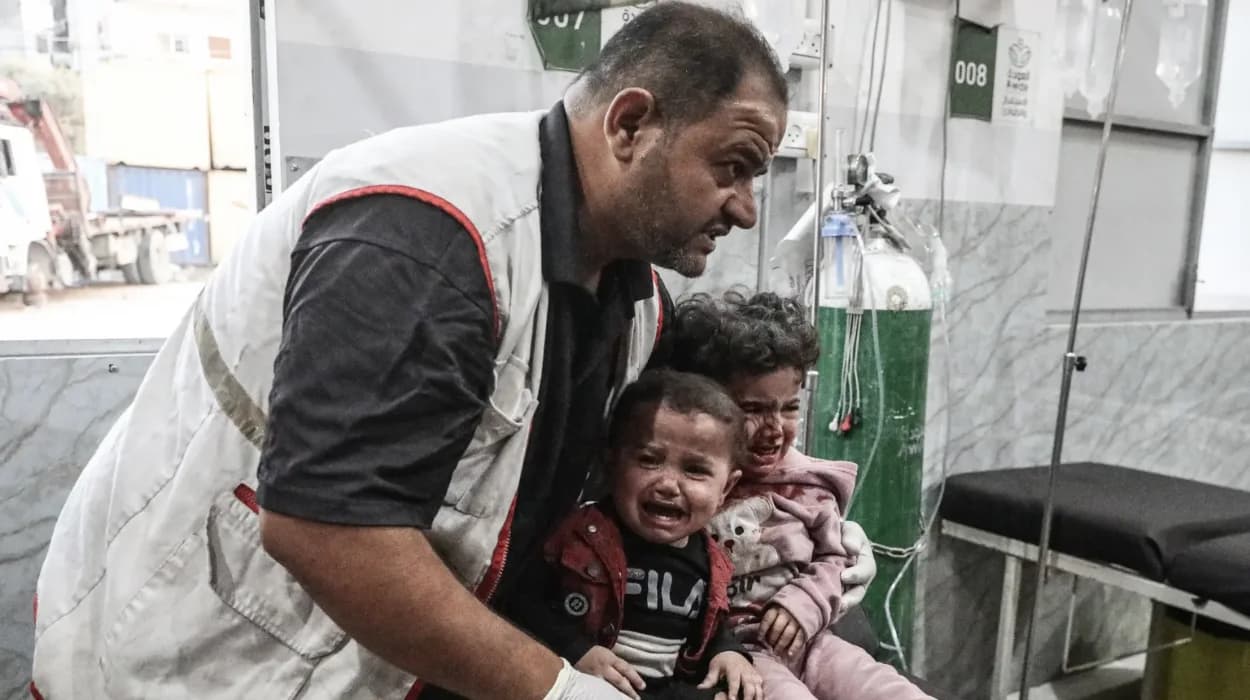
Gaza Strip (The Palestine Telegraph Newspaper) February 6, 2026 – Israeli forces conducted airstrikes on Gaza hospitals and clinics this week, despite a US-brokered ceasefire in effect since January 2026. Palestinian health officials reported damage to Al-Shifa Hospital and the Indonesian Hospital, with at least 15 medical staff injured. Gaza authorities described the attacks as systematic targeting of healthcare infrastructure, while Israel stated operations countered Hamas militants embedded in medical facilities.
The strikes hit northern Gaza facilities on Tuesday, marking the third incident targeting healthcare sites since the ceasefire commencement. Witnesses reported drone-fired munitions striking emergency wards, forcing evacuations of hundreds of patients. Hamas health ministry spokespersons confirmed power outages crippled life-support systems at multiple locations.
Initial Airstrikes Damage Key Gaza Hospitals
Al-Shifa Hospital, Gaza's largest medical centre, sustained direct hits to its emergency department, according to on-site doctors cited by Al Jazeera. Indonesian Hospital in Beit Lahia reported shrapnel damage to operating theatres, halting surgeries for four hours. Palestinian medics transported 12 injured colleagues to field clinics amid rubble clearance efforts.
Israeli military spokespersons announced the strikes eliminated Hamas command centres operating beneath the hospitals, presenting satellite imagery as evidence. No independent verification occurred due to restricted access zones. Gaza Civil Defence teams extinguished fires and recovered medical equipment from debris.

Eyewitness videos broadcast by Middle East Eye showed smoke rising from hospital compounds, with ambulances navigating damaged access roads. Power generators failed under sustained shelling, affecting neonatal units housing premature infants.
Ceasefire Terms Fail to Halt Healthcare Targeting
The ceasefire agreement, mediated by the United States and Qatar on January 15, 2026, stipulated pauses in offensive operations excluding "active terror threats." Documented violations include 27 strikes on civilian infrastructure, per UN OCHA logs, with healthcare comprising 40 per cent. Egyptian monitors noted discrepancies between Israeli claims and impact assessments from Gaza ground teams.
Hamas officials rejected Israel's assertions, presenting X-ray scans of munitions remnants inconsistent with precision anti-personnel weapons. International Red Cross delegates accessed perimeter areas but reported denied entry to core structures. Casualty figures from Gaza health ministry tallied 42 total deaths across ceasefire-period incidents, including medics.
Supporting footage from Reuters drones captured Israeli armour positioned 500 metres from affected sites, maintaining blockade enforcement. No ground incursions accompanied the airstrikes.
Historical Pattern of Healthcare Facility Attacks
Prior to the ceasefire, Israeli operations from October 2023 destroyed 32 of Gaza's 36 hospitals, per World Health Organisation audits. Kamal Adwan Hospital in northern Gaza remains minimally functional after repeated raids. European Hospital in Khan Younis operates at 20 per cent capacity following November 2025 strikes.
Amnesty International documented 15 verified cases of healthcare targeting between July and December 2025, citing disproportionate force. Human Rights Watch reports detailed attacks on 19 ambulances, killing 14 paramedics. UN General Assembly resolutions condemned the pattern in December 2025 sessions.
Gaza's healthcare system, serving 2.3 million residents, relied on 14 remaining facilities entering 2026. Stockpiles of medicine dwindled 70 per cent below requirements, per WHO supply chain data.
Palestinian Medical Staff Casualties Mount
Gaza health ministry identified injured personnel from Tuesday's strikes as specialists in paediatrics and trauma surgery. Two doctors required evacuation to Egypt via Rafah crossing under medical exemption clauses. Field hospitals erected by MSF treated overflow patients sheltering in tents adjacent to main structures.
Medics wore protective vests marked with red crescents during rescue operations, footage confirmed by BBC Verify. Israel denied targeting identifiable medical personnel, attributing casualties to crossfire with militants. No Hamas fighters reported killed in the vicinity.
International aid convoys delivered emergency generators Thursday, delayed by 48 hours due to active combat zones. Supplies included fuel rations limited to four hours daily operation per facility.
Israeli Military Justification Cites Hamas Presence
IDF briefings released drone footage purporting to show Hamas operatives storing Grad rockets in Al-Shifa basements. Communications Minister Shlomo Karhi stated on Kan 11 that "medical shields protect terrorists, not civilians." Defence Minister Israel Katz authorised strikes under operational necessity protocols.
Military legal advisors reviewed targets per international humanitarian law compliance claims. No strikes hit patient wards directly, per official logs. Post-strike assessments by IDF drones reported destruction of five tunnel entrances.
Prime Minister Benjamin Netanyahu referenced the actions during Knesset address, linking them to ceasefire enforcement against violations. Coalition partner Itamar Ben-Gvir endorsed the operations on social media.
International Reactions Demand Investigations
United Nations Secretary-General António Guterres called for independent probes into healthcare attacks during Geneva briefings. US State Department spokesperson Matthew Miller urged restraint while affirming Israel's self-defence rights. EU foreign ministers issued a joint statement requesting access for fact-finding missions.
Qatar foreign ministry condemned the strikes as ceasefire breaches, threatening mediation withdrawal. Egypt's President Abdel Fattah el-Sisi dispatched envoys to Jerusalem for de-escalation talks. WHO Director-General Tedros Adhanom Ghebreyesus activated emergency funding for Gaza repairs.
Amnesty and HRW dispatched remote verification teams, analysing satellite imagery discrepancies.
Humanitarian Impact Exacerbates Crisis
Gaza's 1.9 million displaced residents face compounded medical shortages post-strikes. Infectious disease rates surged 300 per cent in overcrowded shelters, per OCHA epidemiological bulletins. Vaccination campaigns halted at 60 per cent coverage for polio resurgence threats.
Aid agencies reported 80 per cent of medical referrals denied Israeli clearance. Water purification plants near hospitals sustained collateral damage, raising cholera risks. UNICEF prioritised infant formula distributions amid milk bank disruptions.
Reconstruction estimates reached $500 million for healthcare alone, per UN Development Programme assessments.
Supply Chain Disruptions Hamper Recovery
Rafah crossing processed 12 trucks of medical supplies Wednesday, down from 35 daily pre-ceasefire averages. Kerem Shalom gate remained closed to perishables, stranding insulin shipments. International donors pledged $100 million emergency funds, disbursed via Cairo conduits.
MSF scaled up mobile clinics serving 5,000 patients daily. Jordan dispatched field surgery units via airlift. Turkish aid ships docked in Ashdod under inspection protocols.

Ongoing Truce Negotiations Complicated
Qatar-mediated talks in Doha stalled over healthcare protections clause insertions. Hamas demanded explicit no-strike zones around facilities. Israel countered with inspection rights for suspected sites.
Phase two truce discussions, slated for February 10, hinge on compliance verification. US envoy Steve Witkoff shuttled proposals amid heightened tensions.
Egyptian intelligence chief Abbas Kamel hosted technical committees Thursday.

Medical Evacuations Face Delays
40 critical patients awaited transfer approvals as of Friday morning. Precedent evacuations transported 1,200 cases since ceasefire inception. Coordination cell logs cited security reviews extending waits to 72 hours.
Egyptian field hospitals in Sinai treated 300 Gazan referrals monthly. Israeli approvals averaged 65 per cent rejection rate for adults.